Housekeeping Guidelines Explained: Essential Rules for Hygiene, Safety, and Professional Standards


Ever walked into a messy room or Office and instantly felt your mood shifted from jolly to stressed? Housekeeping guidelines explained how to solve the chaos. They play a vital role in maintaining hygiene, safety, and overall wellbeing in any environment — whether it’s a hotel, hospital, office, or private home. But what are the housekeeping guidelines, and why do they matter so much in today’s fast-paced world?
With rising expectations for cleanliness and sustainability, housekeeping guidelines explained now go far beyond dusting and mopping. They serve as structured rules and professional housekeeping standards that ensure efficiency, consistency, and safety across every cleaning and maintenance routine. In this comprehensive guide, we’ll unpack the essential housekeeping rules, explain the logic behind them, and show how you can apply them in both professional and domestic settings.
Quick Overview
Housekeeping Guidelines explained hygiene, safety and pro tips for hotels, offices and homes. You will learn professional housekeeping rules, safety protocols in housekeeping and more. Perfect for beginners and pros wanting to stay up to date.
Key Areas Covered:
✅Hygiene and cleanliness standards
✅Safety protocols in housekeeping
✅Professional housekeeping rules
✅Basic housekeeping procedures
✅Housekeeping policies for homes and offices
What Are the Housekeeping Guidelines Explained?
Housekeeping guidelines explained are a set of policies and procedures set to define how cleaning, organisation, and maintenance should be performed to meet hygiene and safety standards.
They act as a roadmap for achieving cleanliness, order, and operational excellence across all sectors — from hospitality and healthcare to office facilities and homes.
Good housekeeping guidelines are built around three pillars:
- Hygiene and cleanliness standards
- Safety protocols in housekeeping
- Professional and ethical behaviour
Following these ensures that spaces remain not just clean, but also safe, efficient, and compliant with modern expectations.
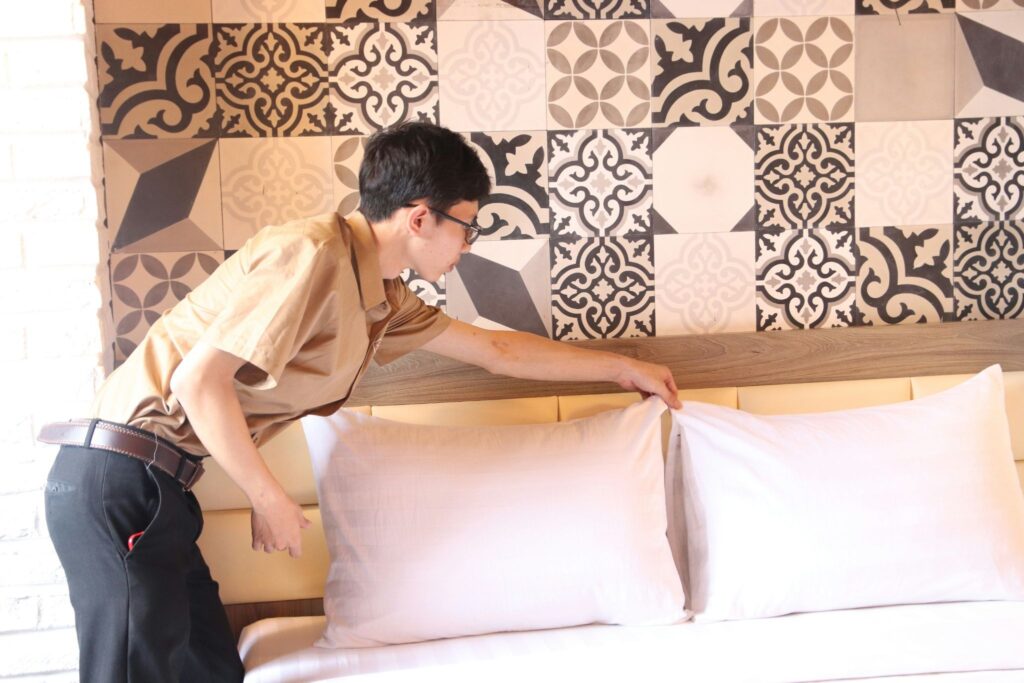
1. Hygiene and Cleanliness Standards In Housekeeping Standards Explained
At the heart of every housekeeping system lies the principle of hygiene. Cleanliness prevents infections, promotes comfort, and enhances the overall appearance of a space.
Key Hygiene Guidelines:
- Use approved cleaning products suitable for the type of surface (for instance, disinfectants for bathrooms and neutral cleaners for marble or wood).
- Follow a cleaning schedule that includes daily, weekly, and deep-cleaning routines.
- Clean from top to bottom — ceiling fans, shelves, tables, then floors — to avoid recontamination.
- Focus on high-touch areas such as doorknobs, switches, remote controls, and handles.
- Replace linens, towels, and bedding regularly in hotels and healthcare environments.
Professional Tip:
Adopt eco-friendly cleaning and sanitation guidelines by choosing biodegradable products, reusable cloths, and water-saving cleaning systems.
Why It Matters:
Maintaining hygiene and cleanliness standards protects health, builds trust, and supports sustainability goals — vital for both workplaces and homes.
2. Safety Protocols in Housekeeping Guidelines Explained
Safety is an integral part of every housekeeping operation. Whether cleaning a guest room, an office, or an industrial floor, following safety protocols in housekeeping protects both staff and occupants.
Essential Safety Rules:
- Store cleaning chemicals separately, clearly labelled, and away from food items.
- Never mix chemical cleaners, as some combinations (like bleach and ammonia) release toxic gases.
- Use personal protective equipment (PPE) such as gloves, aprons, and masks when handling chemicals.
- Display “Wet Floor” and “Caution” signs during cleaning to prevent slips and falls.
- Keep electrical equipment unplugged when not in use and ensure cords are not frayed.
- Ensure proper ventilation during and after cleaning.
Workplace Application:
In offices and factories, regular safety briefings, equipment checks, and emergency drills form part of workplace housekeeping guidelines.
Why It Matters:
Safety ensures compliance with health and safety laws, prevents accidents, and fosters a culture of care and responsibility.
3. Professional Housekeeping Rules and Conduct
Housekeeping is not just about what you do — it’s also about how you do it. Professionalism creates reliability and trust, especially in client-facing environments like hotels or offices.
Key Professional Rules:
- Maintain a polite, respectful attitude toward clients, guests, and colleagues.
- Adhere strictly to uniform and grooming standards.
- Handle guest or resident belongings carefully and never disclose private information.
- Keep noise to a minimum during working hours.
- Follow proper time management — start and finish cleaning within designated slots.
In hotels, for instance, hotel housekeeping best practices require strict confidentiality, punctuality, and attention to guest privacy.
Why It Matters:
Professional behaviour complements technical skills — building a strong reputation for the individual and the organisation alike.
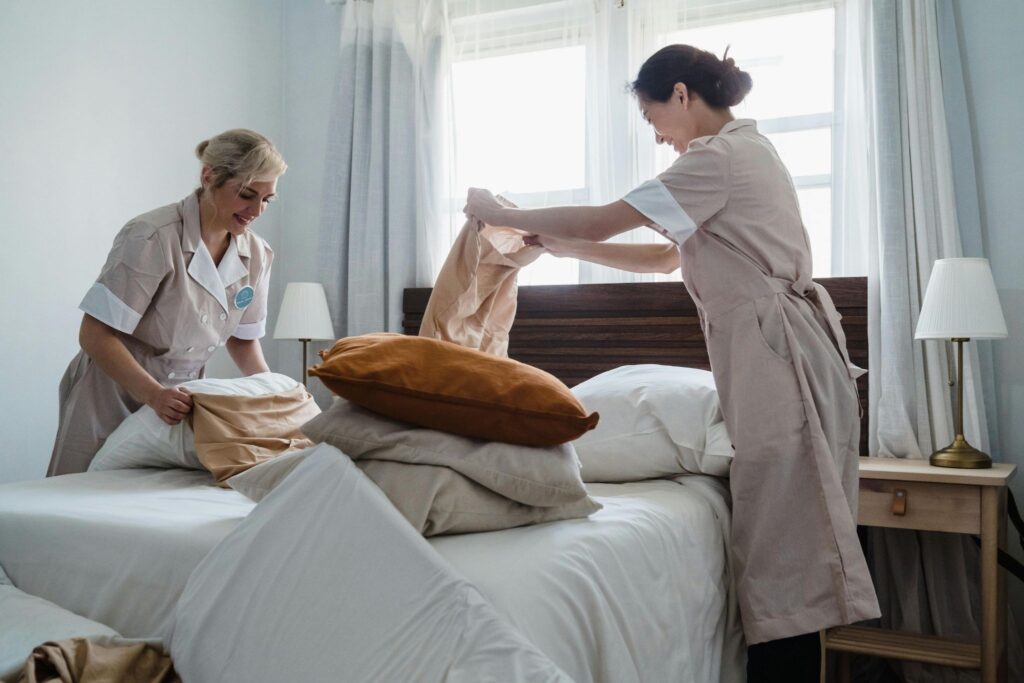
4. Basic Housekeeping Procedures From Housekeeping Guidelines Explained
To make housekeeping effective, every task should follow a systematic process. Whether you’re a professional housekeeper or maintaining your own home, the same steps apply.
Step-by-Step Housekeeping Procedures:
- Preparation: Gather equipment, PPE, and cleaning agents before starting.
- Inspection: Assess the area for hazards, stains, or clutter.
- Dusting and Decluttering: Start from higher surfaces and work your way down.
- Wiping and Disinfection: Clean surfaces and sanitise high-touch points.
- Floor Care: Vacuum carpets, mop hard floors, and ensure they dry properly.
- Waste Disposal: Separate and dispose of waste responsibly, following recycling guidelines.
- Final Check: Inspect the area to ensure all work meets professional standards.
Effective Cleaning and Maintenance Tips:
- Always carry a cleaning checklist.
- Keep cleaning supplies restocked and well-organised.
- Maintain cleaning tools like vacuum filters, brushes, and mops in top condition.
- Record completed tasks in a cleaning logbook for accountability.
Why It Matters:
These basic housekeeping procedures guarantee thoroughness, reduce errors, and maintain consistency across shifts or routines.
5. Housekeeping Policies for Homes and Offices
While workplaces and hotels rely on formal housekeeping manuals, homes and offices can benefit from their own simplified versions.
For Homes:
- Set a daily and weekly cleaning routine — focus on kitchens and bathrooms.
- Involve all family members in maintaining cleanliness.
- Use natural cleaning alternatives such as vinegar and baking soda for eco-friendly results.
- Keep storage areas decluttered to prevent dust and pests.
For Offices:
- Assign cleaning zones or responsibilities to staff or contract professionals.
- Encourage “clean desk” policies to maintain order and data security.
- Regularly sanitise shared devices like telephones, keyboards, and printers.
- Conduct deep cleaning at least once a month.
Why It Matters:
Having structured housekeeping policies for homes and offices ensures that cleanliness becomes a habit, not an afterthought.
6. Housekeeping Standards 2026: Modern Trends and Best Practices
As expectations for hygiene and safety have evolved, so have the methods used to achieve them. The housekeeping standards of 2026 incorporate technology, sustainability, and data-driven efficiency.
Key Trends:
- Smart Cleaning Tools: Robotic vacuums, automated dispensers, and UV-C sanitisers are becoming standard.
- Digital Tracking: Apps and cloud-based checklists for staff management and cleaning audits.
- Green Cleaning Initiatives: Prioritising reusable materials and eco-certified products.
- Training and Certification: Staff are encouraged to pursue accredited courses to improve skill and compliance levels.
- Health-Centric Cleaning: Increased attention to air quality, allergens, and anti-microbial practices.
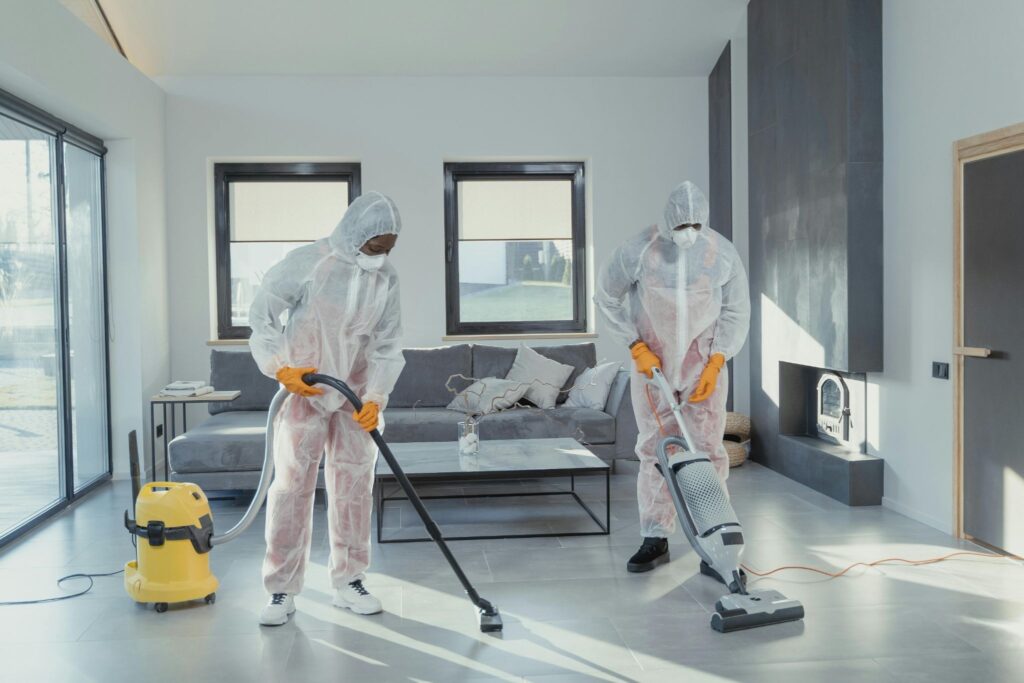
Why It Matters:
Staying up to date with modern housekeeping systems keeps organisations compliant, sustainable, and efficient — crucial for both brand reputation and public health.
7. Cleaning and Sanitation Guidelines for Different Environments Via Housekeeping Guidelines Explained
Hotels and Hospitality:
- Follow a room-by-room cleaning protocol with checklists for each area.
- Pay special attention to guest-touch items — remote controls, kettles, and switches.
- Maintain uniform linen quality and change schedules.
- Conduct regular inspections to uphold brand consistency.
Healthcare and Hospitals:
- Use medical-grade disinfectants and colour-coded tools for different zones.
- Implement strict waste segregation and infection-control measures.
- Keep patient rooms, wards, and waiting areas sanitised and clutter-free.
Workplaces and Industrial Sites:
- Keep floors, walkways, and exits clear of obstructions.
- Store tools and chemicals according to safety data sheets (SDS).
- Encourage employee participation in maintaining cleanliness.
Homes and Residential Settings:
- Adopt sustainable and DIY home cleaning methods.
- Focus on kitchens, bathrooms, and entryways — where dirt and germs accumulate fastest.
- Rotate deep-cleaning tasks monthly for efficiency.
Why It Matters:
Tailoring cleaning routines to each environment ensures health, efficiency, and compliance with applicable standards.
8. Common Mistakes to Avoid in Housekeeping Guidelines Explained
Even the most skilled professionals can make errors that compromise hygiene or safety. Here are frequent pitfalls to watch for:
- Using the wrong cleaning product for a surface.
- Skipping PPE during chemical cleaning.
- Neglecting equipment maintenance.
- Mixing contaminated clothes between clean and dirty areas.
- Ignoring ventilation during deep cleaning.
Pro Tip:
Always cross-check cleaning materials, labels, and expiry dates — small mistakes can lead to accidents or property damage.

Final Thoughts
So, what are the housekeeping guidelines explained?
They are the structured rules and practices designed to maintain hygiene, safety, and efficiency across all environments — from homes to high-end hotels.
In summary, the essential housekeeping guidelines explained include:
- Following proper hygiene and cleanliness standards.
- Observing strict safety protocols.
- Upholding professional conduct and procedures.
- Implementing systematic cleaning routines.
- Adapting policies to suit different settings.
- Staying updated with modern housekeeping standards and technologies.
By following these principles, individuals and organisations can create spaces that are not just spotless but also safe, efficient, and inviting.
Whether you’re managing a hospitality team, running an office, or maintaining your home, housekeeping done right builds comfort, confidence, and credibility. In 2026 and beyond, good housekeeping remains the hallmark of professionalism — and the foundation of wellbeing in every environment.