Importance of Hygiene in the Workplace: Benefits and Best Practices


Hygiene in the workplace is about more than keeping an office looking clean. It protects health, improves comfort, reduces the spread of illness, supports productivity, and helps create a professional environment where employees, customers, and visitors feel safe.
Whether you work in an office, warehouse, school, clinic, salon, shop, restaurant, or shared workspace, hygiene matters every day. A clean workplace shows that the organisation takes people seriously. It also reduces avoidable risks such as slips, contamination, unpleasant smells, pest problems, infection spread, and poor staff morale.
In the UK, hygiene in the workplace is also connected to health and safety responsibilities. The Health and Safety Executive explains that workplace cleanliness includes clean floors, stairs, premises, furniture and fittings, suitable waste containers, regular removal of dirt and refuse, prompt clearing of spillages, and keeping internal walls or ceilings clean.
So, hygiene in the workplace is not a minor issue. It is part of running a safe, responsible, and professional organisation.
Quick Overview
This guide explains hygiene in the workplace in a simple, practical way. It covers the main hygiene rules, the real workplace cleanliness benefits,and the office sanitation practices for everyday use. It also looks at cleaning standards workplace expectations and useful employee hygiene guidelines.
Key areas covered:
✅What hygiene in the workplace means.
✅Why workplace cleanliness benefits matter.
✅Simple hygiene rules workplace teams should follow.
✅Practical office sanitation practices.
✅Clear cleaning standards workplace routines.
✅Simple employee hygiene guidelines for staff.
What Does Hygiene in the Workplace Mean?
Hygiene in the workplace means keeping the working environment, facilities, equipment, and personal habits clean enough to protect health and safety.
It includes both workplace cleanliness and employee behaviour. For example, an employer may arrange regular office cleaning, provide handwashing facilities, maintain toilets, remove waste, and keep shared areas clean. At the same time, employees should wash their hands, keep their workstations tidy, dispose of rubbish properly, and follow hygiene rules.
Hygiene in the workplace can include:
- Clean toilets and washing facilities
- Safe drinking water
- Regular waste removal
- Clean desks, floors, doors, handles, and shared surfaces
- Handwashing and hand sanitising
- Clean kitchen or break areas
- Safe food storage
- Proper cleaning of tools and equipment
- Personal hygiene standards
- Spill control
- Pest prevention
- Clean uniforms or workwear where needed
In some workplaces, hygiene is even more important because the risk is higher. Food businesses, healthcare settings, care homes, laboratories, salons, nurseries, and cleaning companies usually need stricter hygiene procedures than ordinary office environments.
For example, the Food Standards Agency says staff who work with food must wash their hands before preparing food, after touching raw food, after handling waste, after cleaning, after blowing their nose, and after touching items such as phones, light switches, door handles, and cash registers.
The exact hygiene standard depends on the workplace, but the basic principle is the same everywhere: keep the environment clean, reduce health risks, and make safe habits part of daily work.

Why Hygiene in the Workplace Matters
Hygiene in the workplace matters because poor cleanliness can affect health, safety, productivity, reputation, and employee confidence.
A dirty workplace can make people feel uncomfortable. It can also create practical risks. Waste left for too long may attract pests. Spilled liquids can cause slips. Dirty kitchens can spread bacteria. Poor hand hygiene can help infections move from one person to another. Cluttered spaces can make cleaning harder and create trip hazards.
On the other hand, there are also clear workplace cleanliness benefits. A clean workplace creates a better working atmosphere. Staff feel more respected. Visitors form a better impression. Managers have fewer avoidable complaints to handle. Employees are more likely to take pride in the workplace when the environment is properly maintained.
Cleanliness also supports professionalism. Imagine walking into an office with overflowing bins, stained carpets, dirty toilets, dusty desks, and a messy kitchen. Even if the company provides a good service, the environment creates doubt. It suggests poor management and weak attention to detail.
Now imagine a clean reception, tidy workstations, fresh-smelling meeting rooms, well-maintained toilets, and a hygienic kitchen. That workplace feels more trustworthy. It sends the message that the organisation cares about standards.
This is one of the biggest Hygiene in the workplace benefits: hygiene quietly shapes how people feel about the business.
Health Benefits of Workplace Cleanliness
Good hygiene in the workplace helps reduce the spread of germs and supports general wellbeing.
In shared workplaces, people touch the same surfaces all day. Door handles, keyboards, desks, lift buttons, phones, printers, kitchen counters, kettles, taps, fridge handles, and meeting room tables can all become contact points. If these areas are not cleaned regularly, germs can spread more easily.
Hand hygiene is especially important. HSE guidance on safe working practices says basic hygiene includes handwashing before and after glove use and avoiding hand-to-mouth or hand-to-eye contact.
In ordinary office settings, simple habits can make a real difference. Washing hands after using the toilet, before eating, after coughing or sneezing, and after handling waste helps protect colleagues. Cleaning shared surfaces also reduces the chance of passing germs around.
In higher-risk workplaces such as healthcare and care settings, hygiene becomes even more serious. NHS England’s infection prevention guidance says hand hygiene should be performed before touching a patient, before clean or aseptic procedures, after body fluid exposure risk, after touching a patient, and after touching the patient’s immediate surroundings.
Not every workplace needs healthcare-level procedures, but the principle is useful: clean hands and clean surfaces reduce risk.
Productivity and Morale Benefits
Clear hygiene rules workplace can improve productivity because people work better in an organised and comfortable environment.
Mess and dirt create distractions. Employees may waste time looking for clean equipment, avoiding dirty areas, complaining about facilities, or dealing with preventable issues. A poorly maintained workplace can also make staff feel undervalued.
Cleanliness affects mood more than many employers realise. If the toilets are unpleasant, the kitchen is dirty, bins are overflowing, or desks are covered in dust, staff may feel that management does not care. That feeling can reduce morale.
A hygienic workplace does the opposite. It tells employees that their comfort matters. It also helps them focus on their work instead of worrying about the environment.
A Good Hygiene in the workplace can support productivity by:
- Reducing distractions
- Making shared spaces easier to use
- Improving comfort
- Reducing avoidable complaints
- Supporting staff wellbeing
- Helping teams feel more professional
- Reducing time lost to preventable cleanliness issues
This does not mean the workplace must look perfect every second. Real workplaces get busy. But there should be a clear standard, and everyone should understand their role in maintaining it.
Workplace Hygiene and Legal Responsibilities
In the UK, employers have responsibilities for workplace health, safety, and welfare.
The Workplace (Health, Safety and Welfare) Regulations 1992 cover a wide range of basic workplace issues and apply to most workplaces, except some specific settings such as construction sites, ships, and mines.
These rules are not only about hygiene, but hygiene is part of the wider picture. Employers need to provide a workplace that is suitable, safe, and properly maintained. That includes cleanliness, waste management, ventilation, welfare facilities, lighting, temperature, and other basic conditions.
For employees, this means you should expect reasonable cleanliness and facilities. For employers and managers, it means hygiene should not be treated as an optional extra. It should be part of health and safety planning.
Good Hygiene in the workplace policies may cover:
- Who is responsible for cleaning
- How often cleaning is done
- How waste is removed
- How spills are handled
- How toilets and kitchens are maintained
- How hygiene supplies are restocked
- How staff report hygiene concerns
- What personal hygiene rules apply
- What extra standards apply in high-risk areas
Even small workplaces should have a basic system. It does not need to be complicated, but it should be clear.
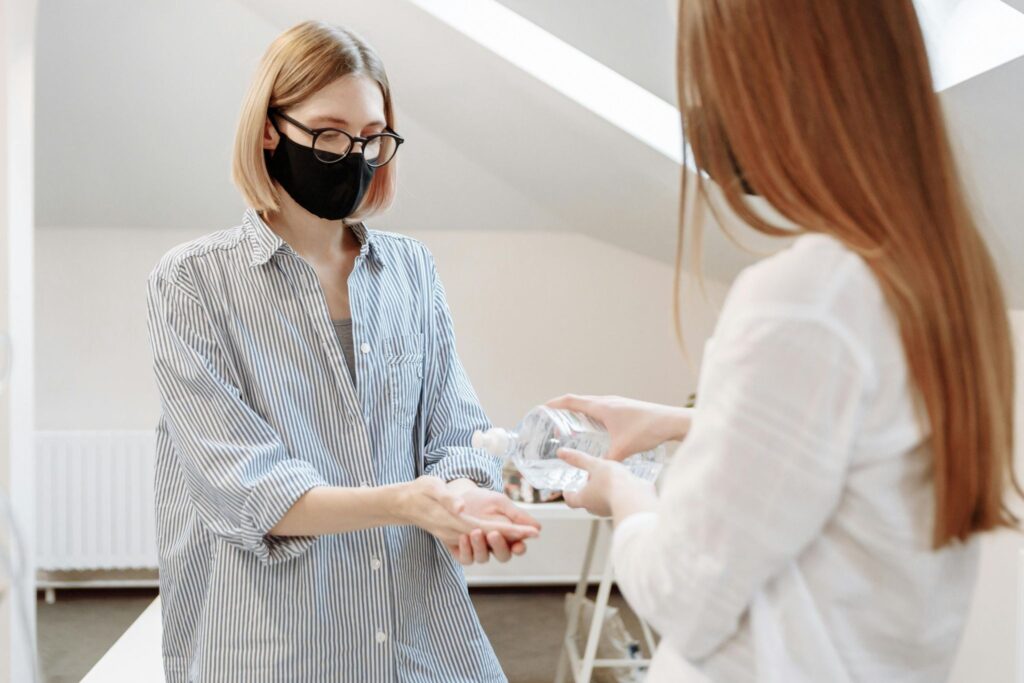
Best Practice 1: Keep Workstations Clean
Clean workstations are one of the simplest ways to improve office sanitation practices.
Employees should keep desks, keyboards, phones, chairs, and shared equipment reasonably clean. In hot-desking environments, this becomes even more important because several people may use the same desk or keyboard in one week.
A good Hygiene in the workplace routine includes:
- Clearing food waste quickly
- Wiping desks regularly
- Keeping keyboards and phones clean
- Avoiding clutter
- Disposing of tissues properly
- Not leaving dirty cups or plates behind
- Cleaning shared desks before or after use
Employers can support this by providing wipes, bins, cleaning schedules, and clear expectations. Employees are more likely to follow workplace hygiene rules when supplies are easy to access.
Best Practice 2: Maintain Toilets and Washing Facilities
Toilets and washing facilities are one of the clearest signs of Hygiene in the workplace standards.
A workplace may have a modern reception and expensive equipment, but if the toilets are dirty, poorly stocked, or unpleasant, staff will notice immediately. Clean toilets are not a luxury. They are a basic workplace requirement.
Good toilet hygiene includes:
- Regular cleaning
- Toilet paper availability
- Hand soap
- Warm water where required
- Hand drying facilities
- Sanitary waste disposal where needed
- Working locks and lighting
- Quick repair of leaks or faults
- Regular checks during busy periods
Employee hygiene guidelines should also have a role. They should use the facilities respectfully, report problems, and leave the space clean for others.
Best Practice 3: Improve Kitchen and Breakroom Hygiene
Workplace kitchens can quickly become unhygienic if nobody takes responsibility.
Shared fridges, microwaves, kettles, sinks, counters, and bins need regular attention. Food left too long can smell, leak, or grow mold. Dirty dishes can attract pests. Spills can create sticky surfaces and slip risks.
A good hygienic workplace kitchen policy should include:
- Labelling food where necessary
- Removing expired food regularly
- Cleaning microwaves and counters
- Washing cups and dishes promptly
- Emptying bins before they overflow
- Keeping the fridge clean
- Reporting pests or bad smells
- Not leaving food uncovered
- Washing hands before eating
In food-handling workplaces, the rules are stricter. Food businesses need proper hygiene procedures, staff training, and safe food handling practices. Ordinary offices may not need the same level of control, but they still need clean and safe shared areas.
Best Practice 4: Set Clear Employee Hygiene Guidelines
Employee hygiene guidelines help everyone understand what is expected.
This does not mean employers should embarrass staff or police people unfairly. It means the workplace should have reasonable standards that protect comfort, health, and professionalism.
Employee hygiene guidelines may include:
- Washing hands regularly
- Wearing clean work clothing or uniforms
- Covering coughs and sneezes
- Staying home or following workplace procedures when unwell
- Keeping personal work areas tidy
- Disposing of waste properly
- Following food hygiene rules
- Reporting spills, leaks, or pest signs
- Using protective equipment where required
In customer-facing roles, personal presentation can also affect the business’s image. Clean uniforms, tidy appearance, and good personal hygiene help create trust.
Managers should handle personal hygiene concerns carefully and respectfully. If a staff member has a hygiene issue, the conversation should be private, sensitive, and focused on workplace standards rather than personal criticism.
Best Practice 5: Manage Waste Properly
Waste management is a major part of cleaning standards in the workplace.
Bins should be available, easy to use, and emptied regularly. Different types of waste may need different handling. For example, ordinary office waste is different from food waste, clinical waste, chemical waste, or confidential documents.
Good waste management includes:
- Providing enough bins
- Emptying bins regularly
- Separating recycling where possible
- Removing food waste quickly
- Using lidded bins where needed
- Keeping bin areas clean
- Handling hazardous waste correctly
- Training staff where specialist waste is involved
Overflowing bins are more than unattractive. They can create smells, attract pests, and make the workplace feel neglected.
Best Practice 6: Create a Cleaning Schedule
A cleaning schedule turns hygiene from a vague idea into a routine.
Without a schedule, everyone may assume someone else is responsible. That is when problems start. A cleaning schedule should make clear what is cleaned, how often, and by whom.
A basic cleaning schedule may include:
- Daily toilet cleaning
- Daily bin emptying
- Daily kitchen surface cleaning
- Weekly floor cleaning
- Regular desk and equipment cleaning
- Monthly deep cleaning
- Spill response procedures
- Periodic carpet or upholstery cleaning
- Window and ventilation cleaning where needed
The schedule should match the workplace. A quiet office may need one level of cleaning. A busy clinic, nursery, warehouse, or restaurant will need a much higher standard.
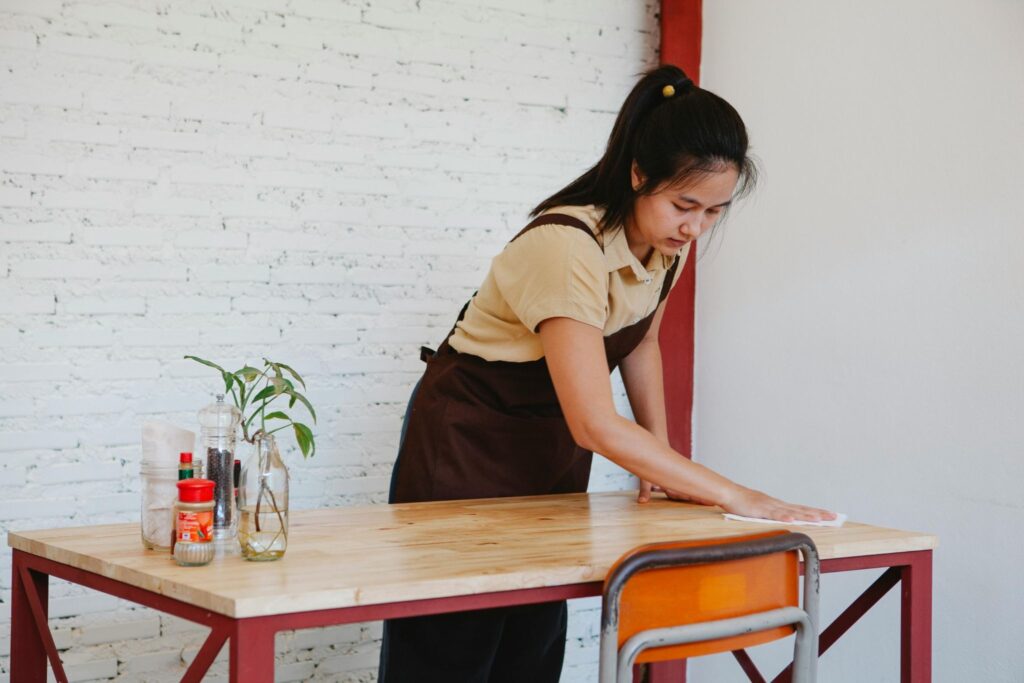
Best Practice 7: Deal With Spills and Hazards Quickly
Spills should be cleaned up promptly because they can cause slips, stains, smells, or contamination.
If someone spills tea in an office, it should not be ignored. If liquid spills in a warehouse, kitchen, corridor, or customer area, it may become a safety risk. The faster the response, the lower the risk.
Workplaces should have a simple spill procedure:
- Warn people nearby.
- Mark the area if needed.
- Clean the spill safely.
- Dispose of waste properly.
- Report the hazard if required.
- Check whether further cleaning is needed.
Employees should know how to report hazards. They should also know when not to handle a spill themselves, especially if chemicals, bodily fluids, or dangerous substances are involved.
Best Practice 8: Train Staff Properly
Hygiene in the workplace standards only work when people understand them.
Training does not always need to be long or complicated. For many workplaces, simple induction training and occasional reminders may be enough. Higher-risk workplaces will need more formal training.
Training should cover:
- Hand hygiene
- Cleaning responsibilities
- Waste disposal
- Food safety where relevant
- Use of cleaning products
- Reporting procedures
- Personal hygiene standards
- Safe use of protective equipment
- What to do when something goes wrong
New employees should learn hygiene expectations early. Existing employees should receive reminders when standards slip or procedures change.

Final Thoughts
The importance of Hygiene in the workplace cannot be overstated. A clean workplace protects health, improves comfort, supports productivity, strengthens professionalism, and helps employers meet their responsibilities.
Good hygiene is not only the cleaner’s job. Employers must provide safe and clean conditions, but employees also need to play their part. Everyone benefits when workstations are tidy, toilets are clean, kitchens are safe, waste is managed properly, and hygiene rules are followed.
The best approach is simple: make hygiene practical, visible, and consistent. Provide the right facilities. Set clear standards. Train staff. Clean regularly. Deal with problems quickly. Encourage good personal hygiene without making people feel uncomfortable.
A hygienic workplace shows respect. It tells employees they matter, reassures visitors that the organisation is professional, and creates a healthier environment for everyone.