CCTV Surveillance and Security Operations Course
Develop your understanding of CCTV surveillance, security monitoring and control room operations with this CCTV Surveillance and Security Operations Course....
Official Certification
Recognized by top tech firms
Learn With Confidence






About This Course
Develop your understanding of CCTV surveillance, security monitoring and control room operations with this CCTV Surveillance and Security Operations Course. Designed for learners interested in security, surveillance and monitoring environments, this course explores the responsibilities of CCTV operators and the principles involved in operating surveillance systems professionally.
CCTV systems play an important role in security arrangements across retail premises, offices, warehouses, transport facilities, public spaces and other environments. They can help organisations monitor activity, identify potential security concerns, review incidents and provide information to support investigations. However, effective CCTV operation involves more than watching screens. Operators need attention to detail, clear communication, an understanding of operating procedures and awareness of privacy and data protection responsibilities.
Throughout this course, you will explore CCTV operational requirements, operator skills, installation fundamentals, technical standards, vigilant monitoring, surveillance procedures and control room operations. You will also develop awareness of GDPR and data protection considerations, professional standards and appropriate responses to crime and incidents.
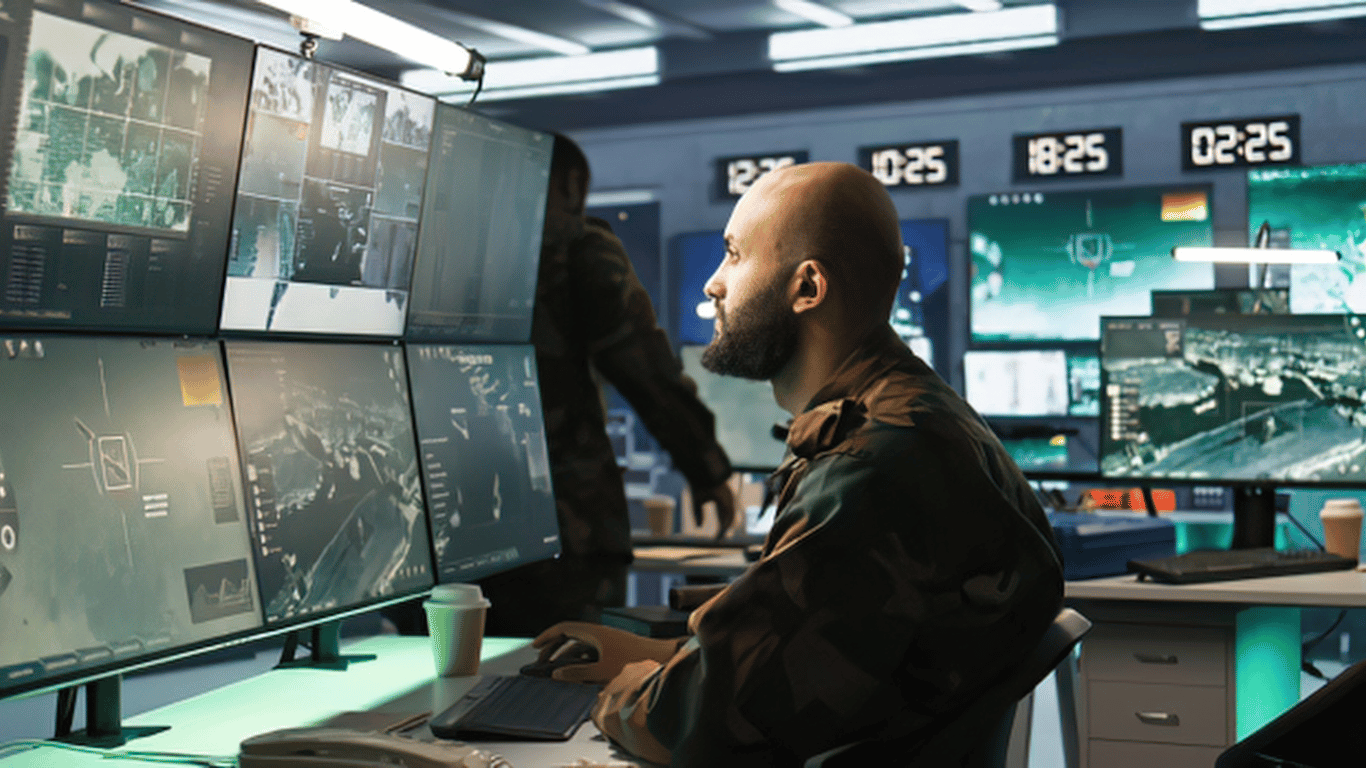
The course will help you understand how CCTV operators contribute to wider security arrangements. You will learn why accurate observation, objective reporting, appropriate escalation and careful handling of recorded footage are essential. You will also explore the relationship between surveillance equipment, workplace procedures and the people responsible for maintaining a safe and secure environment.
By completing the course, you should have a stronger foundation in CCTV operations and be better prepared to explore further training or entry-level opportunities in security-related environments. This is educational training and does not itself provide an SIA licence, an approved CCTV operator qualification or authorisation to work in a regulated security role.
What You Will Learn
-
The purpose and operational requirements of CCTV surveillance.
-
The professional skills and responsibilities of CCTV operators.
-
The basic components of CCTV systems and how they work together.
-
General technical considerations when installing and integrating equipment.
-
The importance of vigilant monitoring and accurate observation.
-
Common surveillance procedures and control room practices.
-
GDPR awareness and responsible handling of CCTV footage.
-
Professional standards and workplace expectations.
-
How to recognise, document and escalate security incidents.
-
The importance of communication, confidentiality and accurate reporting.
Course Modules
Module 1: CCTV Operational Requirements and Best Practice Code
Explore the purpose of CCTV systems and the operational principles that support effective surveillance. You will learn why organisations use CCTV and how monitoring arrangements can contribute to security, safety and incident management.
This module introduces the importance of clear operating procedures, defined responsibilities and appropriate use of surveillance equipment. You will consider how CCTV systems should support legitimate security objectives rather than being used without a clear purpose.
You will also examine the importance of following site instructions, maintaining professional conduct and recording relevant information accurately. Operators need to understand what they are expected to monitor, how to report concerns and when an incident should be escalated to a supervisor or emergency service.
The module reinforces the importance of proportionality, privacy and accountability in CCTV operations.
Module 2: CCTV Operator Skills and Ability
Develop awareness of the personal and professional skills required in CCTV monitoring roles.
CCTV operators need concentration, patience, attention to detail and the ability to recognise unusual activity. This module explores how operators can maintain focus during extended monitoring periods and why structured observation is important.
You will consider communication skills, including providing clear information to colleagues, supervisors and authorised personnel. Accurate descriptions of events, locations, times and observations can help others understand an incident.
The module also examines decision-making, emotional control and professional behaviour. Operators may encounter challenging or distressing situations, so they need to follow procedures rather than react impulsively.
You will explore the importance of teamwork, confidentiality, reliability and continuous awareness of the operating environment.
Module 3: Foundations of CCTV Installation and Component Integration
Understand the basic components of a CCTV system and how they work together to support surveillance.
This module introduces cameras, lenses, recording devices, monitors, storage systems, cabling, network connections and control equipment. You will explore the general purpose of each component and how different elements contribute to image capture, transmission, display and recording.
You will also consider the differences between common camera types and the factors that may influence equipment selection, such as coverage requirements, lighting conditions and the environment being monitored.
The module introduces basic installation planning, including camera positioning, coverage, power requirements and connectivity. You will learn why equipment should be installed and configured by appropriately competent personnel and why system reliability needs to be considered as part of security planning.
Module 4: Technical Standards for CCTV System Guidance
Explore the importance of technical standards and suitable system design in CCTV operations.
This module introduces general considerations such as image quality, camera coverage, recording reliability, storage capacity, system maintenance and access controls. You will consider why equipment should be suitable for the environment and the intended surveillance purpose.
The module also examines the importance of maintaining accurate system information and ensuring that equipment is checked regularly. Poor camera positioning, unsuitable lighting or inadequate storage arrangements may reduce the usefulness of surveillance footage.
You will develop awareness of the need to follow manufacturer guidance, organisational procedures and relevant technical requirements. Specific standards and compliance expectations may vary according to the type of installation and its intended use.
Module 5: The CCTV Operator’s Guide to Vigilant Monitoring
Learn how to approach CCTV monitoring with concentration and professional awareness.
This module explores the importance of observing activity systematically rather than relying on casual viewing. You will consider how operators can monitor designated areas, identify unusual behaviour and recognise situations that may require further attention.
You will examine the importance of understanding the normal activity patterns of a location. Familiarity with the environment can help operators identify changes that may indicate a security concern.
The module also introduces the importance of accurate observation. Operators should distinguish between what they have actually seen and what they assume may have happened. Objective reporting helps prevent misunderstandings and supports reliable incident records.
You will also explore strategies for maintaining concentration and following procedures during busy or quiet monitoring periods.
Module 6: Watch Surveillance and CCTV Operating Procedures
Explore the procedures involved in monitoring surveillance systems and managing routine CCTV duties.
This module introduces shift handovers, equipment checks, monitoring responsibilities and incident recording. You will consider why operators should understand their assigned areas, reporting lines and escalation arrangements before beginning a monitoring shift.
You will also examine the importance of following site-specific instructions. Different environments may have different security priorities, access arrangements and emergency procedures.
The module explores how operators may use cameras to review activity and follow incidents within the limits of their authority and system capabilities. You will consider why operators should avoid unnecessary monitoring or unauthorised use of recorded footage.
You will develop an understanding of how consistent operating procedures support reliable surveillance and professional service.
Module 7: GDPR Compliance and Data Protection for CCTV Operations
Develop awareness of data protection responsibilities associated with CCTV monitoring and recorded footage.
CCTV images may contain personal data when individuals can be identified. This means organisations using surveillance systems need to consider applicable data protection requirements and ensure that footage is handled appropriately.
This module introduces principles such as lawful and fair processing, transparency, purpose limitation, data minimisation, storage limitation and security. You will explore why CCTV should have a clear purpose and why organisations should provide appropriate information about surveillance arrangements.
You will also consider access to footage, disclosure requests, retention periods and secure storage. Operators should follow authorised procedures and should not copy, share or disclose recordings without permission.
The module highlights the importance of confidentiality and the need to refer data protection requests or complex issues to the appropriate person within the organisation.
Module 8: Professional Standards and Job Requirements for CCTV Operators
Understand the professional expectations associated with CCTV monitoring work.
This module explores reliability, punctuality, confidentiality, impartiality and responsible use of surveillance equipment. You will consider why operators must follow instructions, maintain accurate records and avoid personal opinions when reporting incidents.
You will also examine the importance of understanding job descriptions, site rules, communication arrangements and escalation procedures. Professional operators need to know the limits of their responsibilities and when to seek assistance.
The module introduces general awareness of security-sector requirements in the UK. Some activities involving public space surveillance or contracted security work may fall within the scope of Security Industry Authority licensing requirements. The exact requirements depend on the role and activity.
Completing this course alone does not grant an SIA licence or replace any required approved training, assessment or licence application.
Module 9: CCTV Control Room Operational Procedures
Explore how CCTV control rooms are organised and why consistent procedures are important.
This module introduces the role of the control room, including monitoring equipment, communication systems, incident logs and operational instructions. You will consider how operators work with colleagues, supervisors and other security personnel to maintain awareness of the environment.
You will examine the importance of clear shift handovers and accurate documentation. Information about equipment faults, incidents, unusual activity and outstanding tasks should be communicated appropriately.
The module also explores access control and confidentiality within control room environments. Recorded footage and live monitoring information should only be accessed by authorised personnel for appropriate purposes.
You will develop an understanding of how organised control room procedures contribute to effective security operations.
Module 10: Crime, Incidents and CCTV Operator Response
Develop awareness of how CCTV operators may contribute to incident monitoring and response.
This module explores examples of situations that may require attention, including suspected theft, trespassing, antisocial behaviour, property damage, accidents and emergencies.
You will consider why operators should observe carefully, record relevant details and follow established escalation procedures. Where immediate danger exists, operators should follow emergency instructions and contact the appropriate services through authorised arrangements.
The module also examines the importance of preserving relevant footage and avoiding unauthorised changes to recordings. Accurate time information, incident references and objective descriptions can help authorised personnel review events.
You will learn why CCTV operators should not place themselves or others at risk by attempting actions outside their role. Their responsibility is to follow procedures, communicate clearly and support appropriate incident management.
Who Is This For?
This course is suitable for:
-
People interested in CCTV monitoring and surveillance.
-
Aspiring security control room operators.
-
Security staff who want to develop CCTV awareness.
-
Reception and facilities personnel with monitoring responsibilities.
-
Site security administrators.
-
Retail and premises security staff.
-
Business owners interested in CCTV operations.
-
Learners considering further security-sector training.
Requirements / Prerequisites
No formal academic qualifications or previous CCTV experience are required for this introductory course. Basic digital skills, reading comprehension and an interest in security operations will be helpful.
You should have access to an internet-connected device to complete the online learning.
Important: This course does not itself provide an SIA CCTV Public Space Surveillance licence or an approved qualification. Check the current SIA requirements and approved training route if you intend to work in a role that requires licensing.
Skills and Knowledge You Can Develop
You can develop knowledge of CCTV system components, surveillance procedures, monitoring responsibilities, incident reporting and control room operations.
You will also build awareness of data protection, confidentiality, professional conduct and the importance of following security procedures. These foundations can support further training and workplace development in security-related environments.
Career Path
CCTV knowledge may be useful when exploring roles such as:
-
CCTV Monitoring Assistant: Support routine monitoring activities under workplace procedures.
-
Control Room Assistant: Help maintain logs, monitor systems and communicate operational information.
-
Security Officer: Build on existing security training with additional CCTV awareness.
-
Retail Security Assistant: Support site security and incident reporting.
-
Facilities Security Assistant: Help monitor premises and communicate security concerns.
-
Surveillance Support Officer: Assist with monitoring and documentation within an authorised role.
Some security roles require an SIA licence, approved qualifications, background checks or employer-specific training. This course should be viewed as a learning foundation rather than a licence or professional authorisation.
Learning Outcomes
After completing the course, you should be able to:
-
Explain the purpose of CCTV surveillance.
-
Identify common CCTV system components.
-
Describe important monitoring and control room procedures.
-
Recognise the skills expected of CCTV operators.
-
Explain the importance of vigilant and objective observation.
-
Understand basic GDPR and data protection considerations.
-
Recognise professional standards and confidentiality responsibilities.
-
Describe how incidents should be recorded and escalated.
-
Identify when a matter requires assistance from a supervisor or emergency service.
Professional Development and Further Learning
You may wish to continue your learning through approved CCTV operator training, security operations, conflict management, emergency response, data protection or wider facilities management courses.
If you intend to work in a regulated security role, check the current licensing requirements and complete any required approved training and assessment.
Take the Next Step
Build your understanding of surveillance systems and the professional responsibilities involved in CCTV operations. This course introduces the knowledge needed to understand monitoring procedures, protect recorded information and contribute to organised security environments.
Course Content
Cctv Operational Requirements And Best Practices Code
-
Cctv Operational Requirements And Best Practices Code
00:00 -
Module 1 Study Guide
00:00
Cctv Operator Skills And Ability
Foundations Of Cctv Installation And Component Integration
Technical Standards For Cctv System Guidance
The Cctv Operator’S Guide To Vigilant Monitoring
Watch Surveillance And Cctv Operating Procedures
Gdpr Compliance And Data Protection For Cctv Operations
Professional Standards And Job Requirements For Cctv Operators
Cctv Control Room Operational Procedures
Crime, Incidents And Cctv Operator Response
Frequently Asked Questions
There are many things that you might want to know. Well we have the answers.
