Upholstery Cleaning: Professional Methods and Workplace Guide

Office chairs, reception sofas and upholstered meeting-room furniture experience regular use, yet they are often overlooked during routine workplace cleaning. Over time, dust, body oils, food spills and everyday dirt can accumulate within fabric surfaces, leaving furniture looking worn or poorly maintained.
Upholstery cleaning helps businesses maintain the appearance, cleanliness and condition of fabric-covered furniture. However, effective cleaning requires more than applying detergent and removing visible stains. Different fabrics, dyes, fillings and finishes respond differently to moisture, cleaning chemicals and mechanical action.
A method suitable for a durable synthetic office chair could permanently damage delicate velvet or natural-fibre upholstery.
Professional cleaning therefore begins with identifying the material, assessing its condition and choosing a suitable process.
This guide explains the main professional upholstery cleaning methods, equipment, fabric-care procedures and workplace safety requirements. It also covers stain treatment, drying, cleaning schedules and practical ways to maintain commercial furniture.
What Is Upholstery Cleaning?
Upholstery cleaning is the process of removing dirt, dust, stains and other unwanted substances from fabric-covered furniture and furnishings.
It involves cleaning the outer covering while protecting the fabric construction, underlying filling, dyes and decorative components.
Common upholstered items include office chairs, sofas, reception seating, padded benches, meeting-room furniture and certain fabric-covered panels.
Professional methods may involve vacuuming, controlled moisture application, hot water extraction, low-moisture cleaning or specialist solvent-based treatments.
The correct method depends on the material and its condition.
For example, a commercial chair covered in a suitable synthetic fabric may tolerate controlled wet extraction. A delicate upholstered sofa may require a less aggressive process.
Upholstery cleaning is different from simply disinfecting a hard surface. Fabric construction and absorbent materials create additional challenges, especially where moisture or contamination reaches the internal cushioning.
Not every stain can be removed completely, and furniture cleaning cannot reverse physical wear, fading or damaged fibres.
The objective is to achieve the best reasonable result without compromising the furniture.
Why Professional Upholstery Cleaning Is Important
Commercial furniture receives regular contact from employees, customers and visitors.
In offices, waiting rooms, hotels and shared workplaces, upholstered surfaces can gradually accumulate dust, oils and visible marks.
Without suitable maintenance, the furniture may begin to look tired even when it remains structurally sound.
Regular commercial upholstery cleaning can help control this build-up and preserve the appearance of seating areas.
It may also reduce the need for aggressive furniture cleaning when contamination becomes heavily embedded.
Another benefit is the opportunity to inspect furniture condition.
Cleaning staff may notice damaged seams, worn fabric, loose components or persistent moisture problems requiring attention.
Well-maintained upholstery contributes to the overall presentation of a workplace, particularly in customer-facing environments.
However, professional cleaning should not be presented as a guarantee of complete allergen removal, disinfection or improved indoor air quality.
Results depend on the contamination, method, equipment and condition of the furniture.
Where infection prevention or hazardous contamination is a concern, ordinary upholstery furniture cleaning may not be sufficient. Specialist procedures or furniture replacement may be necessary.
Types of Workplace Upholstery
Workplace upholstery includes several types of furniture and fabric construction.
Understanding these differences is essential because the same furniture cleaning method cannot safely be applied to every item.
Office Chairs
Office chairs commonly use synthetic woven fabrics, mesh materials or upholstered seat cushions.
Their construction may include foam padding, plastic components and adjustable mechanisms.
furniture cleaning should protect these components from excessive moisture.
Reception Sofas and Lounge Seating
Reception furniture often contains thicker cushioning and a wider range of decorative fabrics.
These may include polyester, wool blends, velvet or specialist contract upholstery.
The fabric’s appearance and texture may require particular care.
Meeting-Room and Conference Chairs
Conference seating may be used frequently and stored closely together.
Cleaning needs to account for fabric condition, metal frames and the time available before the furniture is needed again.
Restaurant and Hospitality Seating
Upholstered restaurant chairs and hotel furniture may experience food spills, body oils and repeated contact.
Some materials have specialist protective treatments or performance characteristics that must be preserved.
Fabric-Covered Panels and Furnishings
Some workplaces also contain upholstered acoustic panels, padded headboards or fabric-covered partitions.
These items may have different construction and furniture cleaning restrictions from conventional seating.
Upholstery Cleaning Assessment
A professional cleaning task should begin with a detailed assessment.
This helps determine whether the furniture can be cleaned safely and which methods are appropriate.
The first step is to identify the fabric and examine the manufacturer’s care instructions.
Some furniture carries cleaning codes such as W, S, W/S or X. Where these codes are used, they indicate restrictions concerning water-based cleaning, solvent furniture cleaning or vacuum-only care.
However, coding systems are not universal, and the manufacturer’s specific instructions should take priority.
The cleaner should also inspect the furniture for:
- Existing stains, fading and discolouration.
- Loose seams, damaged fabric or worn areas.
- Unstable dyes or multiple coloured fabrics.
- Delicate trims, buttons and decorative materials.
- Moisture-sensitive fillings or structural components.
- Previous cleaning residues or evidence of water damage.
A discreet test should be completed using the proposed furniture cleaning product and method.
Testing should assess potential colour transfer, fabric distortion, shrinkage or other unwanted changes.
For multicoloured fabrics, individual dye colours may need separate testing.
The National Carpet Cleaners Association and professional equipment manufacturers emphasise the importance of fabric identification and testing.
Where the material cannot be identified confidently, the safest decision may be to postpone furniture cleaning and seek specialist guidance.
Preparing Upholstery for Cleaning
Proper preparation helps prevent damage and makes the furniture cleaning process more manageable.
Begin by removing loose belongings and ensuring that furniture is accessible.
Employees should be informed when seating will be unavailable, particularly in busy reception areas or shared offices.
Where appropriate, inspect the surrounding floor and protect nearby surfaces from furniture cleaning solution or equipment movement.
The furniture cleaning team should confirm that electrical equipment, cables and furniture mechanisms will not be exposed unnecessarily to moisture.
Loose cushions may be removed where the furniture design permits it.
However, cleaners should avoid dismantling furniture unless they are trained and authorised to do so.
Pre-existing damage should be recorded before furniture cleaning begins.
This can prevent confusion between existing deterioration and changes occurring during the furniture cleaning process.
The cleaner should then select the approved products, prepare the equipment and confirm that adequate drying conditions are available.
If the furniture cannot be dried safely before it is needed again, rescheduling may be more appropriate than proceeding.
Upholstery Cleaning Equipment and Supplies
Professional upholstery work requires tools suited to the fabric and cleaning method.
A general-purpose household cleaner may not provide the necessary control over moisture or extraction.
Common equipment includes upholstery vacuum attachments, specialist extraction machines, soft brushes, absorbent cloths and approved cleaning products.
Vacuum Cleaners
A suitable vacuum removes loose dust and debris before wet or chemical furniture cleaning.
Soft upholstery attachments help clean fabric surfaces without unnecessarily disturbing the fibres.
Upholstery Extraction Machines
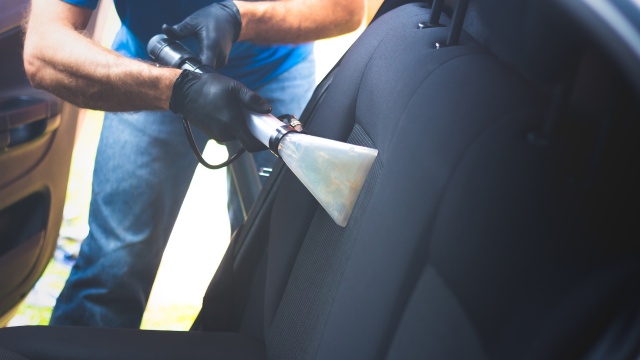
Extraction machines apply an appropriate cleaning solution and recover liquid through a specialised upholstery tool.
Water delivery and suction must be suitable for the furniture.
Excessively aggressive operation can increase the risk of over-wetting or distortion.
Spotting Tools
Small brushes, absorbent white cloths and controlled applicators may be used for targeted stain treatment.
Tools should be clean and appropriate for the material.
Drying Equipment
Suitable air movers and ventilation arrangements can help remove moisture following furniture cleaning.
Equipment should be positioned safely and operated according to manufacturer instructions.
Every machine should undergo relevant pre-use checks and routine maintenance.
Cleaning Chemicals and Fabric-Safe Products
Choosing cleaning chemicals requires careful consideration of the fabric, contamination and proposed method.
A product suitable for carpets is not automatically appropriate for upholstery.
Fabric dyes, protective treatments and internal materials can react differently to furniture cleaning solutions.
Professional cleaners may use mild upholstery detergents, specialised pre-treatment products, controlled rinsing agents or approved solvent-based products.
The correct selection depends on the material.
Some fabrics are vulnerable to alkaline products, while others may develop colour changes or water marks after inappropriate cleaning.
furniture cleaning chemicals should always be used at the manufacturer’s specified concentration.
Using more detergent than recommended can leave unwanted residues and may affect the fabric’s appearance or texture.
COSHH Requirements
In Great Britain, the Control of Substances Hazardous to Health Regulations 2002 require employers to assess relevant hazardous substances and implement suitable controls.
Northern Ireland has corresponding requirements under its own COSHH legislation.
Safety data sheets provide important information about chemical hazards, storage and handling, but they do not replace a workplace risk assessment.
Cleaners should never mix products unless the manufacturer specifically confirms that the combination is safe.
Ventilation, exposure control and appropriate storage arrangements must also be considered.
Personal Protective Equipment for Upholstery Cleaning
Personal protective equipment should reflect the actual risks associated with the cleaning task.
Not every upholstery cleaning procedure requires identical protection.
Chemical-resistant gloves may be necessary when preparing solutions or handling particular furniture cleaning products.
The glove material should be compatible with the chemicals involved.
Eye protection may be required where there is a risk of splashing.
Protective clothing can help reduce exposure to contaminated water or suitable furniture cleaning chemicals.
Slip-resistant footwear may be appropriate where cleaning creates wet surrounding surfaces.
Respiratory protective equipment should only be selected where a risk assessment identifies the need, alongside suitable controls for airborne contaminants.
Employers must provide required PPE without charge and ensure workers understand how to use it.
PPE is not a substitute for safer products, adequate ventilation or appropriate work methods.
Cleaning teams should also receive instruction on removing contaminated gloves and maintaining good hand hygiene.
Vacuuming and Pre-Cleaning Procedures
Vacuuming is an essential first stage of many upholstery cleaning processes.
Fabric can retain loose dust, grit, hair and other particles within its surface texture.
Removing this material before wet cleaning helps prevent it being redistributed during subsequent treatment.
The cleaner should use an appropriate upholstery attachment and work systematically across accessible surfaces.
Particular attention may be needed around seams, cushion edges and areas where the seat meets the backrest.
On delicate fabrics, suction and mechanical contact must be controlled.
Some materials can develop visible pile distortion if brushed aggressively.
Vacuuming should also include accessible areas beneath loose cushions where appropriate.
The equipment must be suitable for the type of contamination.
For example, ordinary vacuum cleaners should not be used to collect hazardous dust or unidentified substances where specialist controls are required.
After vacuuming, the cleaner can reassess visible marks and decide whether pre-treatment is necessary.
This preparation helps establish a more controlled approach to the main cleaning process.
Spot and Stain Treatment
Stain treatment requires understanding what caused the mark and how the fabric may respond.
Common workplace stains include coffee, tea, food residues, ink, oils and transferred dyes.
Different substances require different cleaning approaches.
A water-soluble drink stain may respond to a compatible water-based product, while an oily mark may need a specialist treatment.
However, the fabric’s tolerance must always be considered before selecting the chemical.
Safe Stain Treatment Procedure
Start by identifying the suspected stain and checking whether previous cleaning attempts have affected the material.
Loose or solid contamination may be removed carefully using an appropriate tool.
For fresh liquid spills, gently blot with a clean, absorbent cloth.
Avoid vigorous rubbing, which can spread contamination or distort fibres.
After testing the chosen product in a discreet area, apply a controlled amount according to the manufacturer’s instructions.
Work carefully to avoid spreading the stain into surrounding fabric.
Remove the treatment product and residues using a method compatible with the upholstery.
Some stains may be permanent, particularly where dyes have changed, fibres are damaged or previous cleaning has fixed the mark.
Repeated aggressive treatment can make the problem worse.
Staff should recognise when further attempts are unlikely to achieve a safe improvement.
Hot Water Extraction for Upholstery
Hot water extraction is a widely used professional cleaning method for suitable upholstered furniture.
It involves applying a controlled amount of water and cleaning solution while using vacuum suction to recover the liquid and loosened contamination.
This method is sometimes called steam cleaning, although conventional hot water extraction is not the same as applying direct high-temperature steam.
The actual cleaning temperature depends on the machine, product and fabric.
How Hot Water Extraction Works
The cleaner first assesses the fabric and completes any necessary pre-treatment.
An upholstery extraction tool is then used to apply the approved solution in controlled passes.
Mechanical action and the cleaning solution help release dirt from the fibres.
The equipment recovers the resulting liquid through suction.
Additional extraction passes may be used to reduce retained moisture.
The process requires careful control because upholstery contains layers beneath the visible fabric.
Water can reach foam, backing materials or internal components if too much solution is applied.
This can cause extended drying times, staining or other problems.
Hot water extraction is therefore unsuitable for some delicate fabrics and furniture constructions.
A successful cleaning result depends on correct testing, controlled application and effective recovery, not simply using the hottest available water.
Low-Moisture Upholstery Cleaning
Low-moisture cleaning methods aim to reduce the amount of liquid introduced into the fabric.
They can be useful where furniture requires careful moisture management or where long drying periods would cause operational difficulties.
Possible techniques include controlled foam cleaning, specialist low-moisture products or limited solution application followed by suitable recovery.
Some systems use absorbent or encapsulating products designed for particular upholstery materials.
However, low moisture does not automatically mean low risk.
A product can still affect dyes, leave residues or alter fabric texture.
Likewise, applying less water does not guarantee that the furniture will dry safely within a particular period.
The appropriate method depends on the material and the cleaner’s assessment.
For example, a reception chair used throughout the working day may benefit from a suitable low-moisture process if the fabric manufacturer permits it.
The furniture must still be inspected before being returned to use.
Staff should avoid selecting low-moisture cleaning solely because it appears quicker.
Dry Upholstery Cleaning Methods
Dry upholstery cleaning generally refers to methods that avoid conventional water-based washing or use specialist dry-cleaning processes.
The terminology can be misleading because some methods still involve liquid solvents or products that require removal.
Solvent-based cleaning may be appropriate for certain fabrics that cannot tolerate water.
However, it introduces different considerations.
Some solvents can produce hazardous vapours, affect furniture materials or present fire risks.
Professional cleaners must follow product instructions and workplace exposure controls.
Other approaches involve specialist absorbent materials designed to collect contamination with limited moisture.
The suitability of these methods depends on the fabric and the cleaning system.
A manufacturer may specify dry-clean-only care for particular upholstery.
This should not be interpreted as permission to use any commercially available solvent.
Specialist dry cleaning may require professional facilities, suitable equipment and controlled procedures.
Where the fabric is highly sensitive or its construction is uncertain, referral to an experienced specialist is preferable to experimenting with cleaning products.
Upholstery Drying and Ventilation
Drying is an essential part of professional upholstery cleaning.
Furniture that appears clean may still retain moisture within its padding or backing.
Excess moisture can lead to odours, water marks, deterioration and, under suitable conditions, microbial growth.
Drying arrangements should therefore be planned before cleaning begins.
Air movement and appropriate ventilation can support moisture removal.
Where suitable, air movers may be positioned to circulate air around the furniture without creating unsafe cables or other hazards.
Drying time depends on several factors, including fabric construction, filling, ambient humidity, temperature and the amount of water introduced.
There is no reliable universal drying time for every item.
When Can Furniture Be Used Again?
Furniture should not be returned to normal use until it is sufficiently dry and safe.
A superficial touch test may not reveal retained moisture within thick cushioning.
Cleaners should follow the manufacturer or professional procedure for assessing drying completion.
They should also inspect for water marks, colour migration or other problems.
Avoid placing damp cushions directly against sensitive furniture components or stacking them in ways that restrict airflow.
Clear communication with workplace managers helps prevent premature use.
Cleaning Different Upholstery Fabrics
Different upholstery materials require different methods because their fibres, finishes and construction respond differently to cleaning.
The following comparison provides general considerations rather than universal cleaning instructions.
| Upholstery material | Main cleaning consideration |
| Polyester and synthetic blends | Often relatively durable, but dyes and finishes still require testing |
| Cotton and linen | May be sensitive to moisture, shrinkage and water marking |
| Wool and wool blends | Require careful control of moisture, temperature and cleaning chemistry |
| Velvet and chenille | Pile can flatten, distort or develop visible marks |
| Leather and coated materials | Require compatible specialist cleaning and conditioning methods |
Synthetic Upholstery
Polyester and certain other synthetic materials are common in commercial seating.
They may tolerate suitable extraction methods, although fabric construction and protective treatments affect compatibility.
Natural-Fibre Upholstery
Cotton, linen and wool require particular attention to moisture and shrinkage.
Professional assessment is valuable where the fabric has not previously been cleaned.
Velvet and Delicate Fabrics
Velvet and similar pile fabrics can develop visible changes when brushed or wetted incorrectly.
Specialist techniques may be necessary to preserve their appearance.
Leather and Faux Leather
Leather requires care appropriate to its finish and condition.
Products intended for textile upholstery should not automatically be applied to leather or synthetic coated materials.
The manufacturer’s instructions should always guide the final choice of method.
Workplace Health and Safety Considerations
Professional furniture cleaning introduces risks that employers must manage.
These include chemical exposure, electrical hazards, manual handling and disruption to occupied workplaces.
A suitable risk assessment should consider the cleaning equipment, furniture, surroundings and people who may be affected.
Electrical Safety
Extraction machines and vacuum cleaners should be inspected before use.
Damaged cables, plugs or controls can make equipment unsafe.
Where electrical equipment operates near liquids, additional precautions may be necessary.
Slips, Trips and Access
Wet cleaning can create slippery surrounding floors.
Cables and hoses may also obstruct walking routes.
The HSE advises employers to manage these risks through suitable cleaning methods, access controls and effective supervision.
Cleaning during quieter periods may be particularly useful in busy offices.
Manual Handling
Moving heavy sofas or awkward furniture can create injury risks.
Staff should use suitable handling methods and equipment rather than attempt unsafe lifting.
Contamination and Infection Control
Furniture affected by blood, bodily fluids, suspected mould or other potentially hazardous contamination may require specialist assessment.
Routine cleaning is not necessarily sufficient.
In healthcare and other controlled environments, upholstery maintenance must follow the organisation’s relevant infection prevention procedures.
Training and Competence
Employees need instruction appropriate to the chemicals and equipment they use.
The Provision and Use of Work Equipment Regulations 1998 establish relevant work equipment requirements in Great Britain, with corresponding legislation in Northern Ireland.
Practical instruction and observed competence are particularly important for professional extraction and specialist cleaning methods.
Upholstery Cleaning Schedules and Maintenance
An effective cleaning schedule should reflect furniture use, contamination and manufacturer recommendations.
There is no universal rule requiring every office chair or sofa to receive professional cleaning at the same interval.
High-use reception furniture may need more frequent attention than seating in a rarely used meeting room.
A condition-based programme can combine routine maintenance with planned professional cleaning.
Example Workplace Cleaning Schedule
Daily or as needed: Inspect visible condition, remove suitable fresh spillages and address obvious contamination.
Weekly: Vacuum regularly used seating where appropriate and check accessible seams and cushion areas.
Monthly: Review heavily used furniture for staining, wear and changes in appearance.
Periodically: Arrange professional assessment and more intensive cleaning according to condition, use and fabric requirements.
These frequencies are illustrative rather than mandatory.
Businesses should adjust them according to inspection findings and actual use.
Cleaning records can identify completed tasks, observed damage and items requiring further attention.
For larger facilities, a furniture inventory may help managers organise maintenance across different departments.
Quality Control and Upholstery Inspection
Quality control helps determine whether the selected cleaning method achieved an acceptable result without damaging the furniture.
Inspection should take place both before and after cleaning.
Before treatment, staff should record significant stains, wear and any known limitations.
After cleaning, the furniture should be examined for remaining contamination and unexpected changes.
Particular attention should be given to:
- Colour changes or dye migration.
- Water marks and uneven drying.
- Distorted pile or damaged fabric texture.
- Remaining chemical residues or unusual odours.
- Loose seams, damaged components or other deterioration.
The cleaner should also check whether the furniture is sufficiently dry before releasing it for use.
Not every pre-existing stain will disappear, and this should be communicated clearly.
A successful result means that the agreed cleaning has been carried out appropriately, with identified limitations documented.
Managers should avoid judging quality solely by how strongly the fabric smells or whether it appears brighter.
Professional inspection should consider condition, safety and the preservation of the material.
Common Upholstery Cleaning Mistakes
Many cleaning problems arise from using an unsuitable method rather than from the amount of dirt present.
One frequent mistake is treating every fabric in the same way.
Different fibres and dyes can respond unpredictably to chemicals and moisture.
Another problem is failing to test cleaning products before use.
This can lead to visible colour changes or irreversible dye movement.
Excessive moisture is particularly concerning.
If cleaning solution reaches the internal filling, the furniture may take much longer to dry and develop further problems.
Other common mistakes include scrubbing stains aggressively, using household products not approved for upholstery and applying too much detergent.
Some cleaners also overlook the importance of vacuuming before wet cleaning.
Failing to protect surrounding furniture or floors can create unnecessary damage.
Finally, returning upholstery to use before it is properly dry can undermine the cleaning process.
The best way to avoid these mistakes is to assess the furniture carefully, follow compatible procedures and recognise when specialist assistance is required.
How to Maintain Clean Workplace Upholstery
Keeping workplace upholstery clean requires consistent everyday care rather than relying entirely on occasional deep cleaning.
Regular vacuuming helps control loose dust and debris before they become embedded in the fabric.
Employees should be encouraged to report spills promptly.
However, staff should not apply random stain removers or attempt aggressive cleaning without suitable instructions.
Where appropriate, workplace policies can discourage food consumption on furniture that is particularly vulnerable to staining.
Removable cushions may be rotated according to the manufacturer’s recommendations to distribute wear more evenly.
Furniture should also be protected from avoidable moisture and prolonged exposure to conditions that could affect its colour or construction.
Staff Awareness and Training
Basic staff awareness can improve furniture care.
Employees responsible for routine cleaning should understand the difference between safe surface maintenance and specialist stain treatment.
Skills Pack offers online professional and workplace-related courses. Relevant learning may support knowledge of cleaning principles, workplace health and safety or associated responsibilities where the specific course content is suitable.
However, online learning does not replace practical instruction or competency assessment for specialist upholstery equipment.
The most effective maintenance programme combines appropriate training, clear responsibilities and timely professional intervention.
Key Takeaways
Effective upholstery cleaning depends on understanding the furniture before choosing a cleaning method.
The essential principles are:
- Identify upholstery materials and follow manufacturer instructions.
- Inspect fabrics and test suitable cleaning products before treatment.
- Remove loose dirt before applying wet or chemical cleaning methods.
- Choose extraction, low-moisture or specialist dry cleaning according to fabric compatibility.
- Control moisture and provide appropriate drying conditions.
- Assess chemical, electrical and manual handling risks.
- Inspect completed work and communicate any remaining limitations.
Regular maintenance can help preserve the condition and appearance of commercial upholstery while reducing avoidable damage.
Frequently Asked Questions (FAQ)
What is upholstery cleaning?
Upholstery cleaning involves removing dirt, stains and other unwanted substances from fabric-covered furniture.
Professional methods may include vacuuming, spot treatment, water extraction, low-moisture cleaning or specialist dry cleaning.
The correct method depends on the fabric, dyes, filling and condition of the furniture.
Not every mark can be removed completely, particularly where the material is permanently damaged.
How often should workplace upholstery be professionally cleaned?
There is no single cleaning interval suitable for every workplace.
Frequently used reception seating may need more attention than furniture in low-traffic offices.
Cleaning frequency should reflect contamination, fabric requirements and the results of regular inspections.
Daily spill response and routine vacuuming can complement periodic professional cleaning.
A condition-based schedule is generally more useful than applying one fixed interval to all furniture.
What equipment is used for upholstery cleaning?
Common equipment includes suitable vacuum cleaners, upholstery extraction machines, soft brushes, spotting tools and absorbent cloths.
Professional cleaners may also use low-moisture systems and appropriate drying equipment.
The equipment must be compatible with the upholstery and maintained in safe working condition.
Different materials may require specialist attachments or cleaning systems.
How should upholstery stains be treated?
Begin by identifying the stain and checking the fabric’s cleaning requirements.
Fresh liquid spills may be gently blotted with a clean, absorbent cloth.
Before applying a cleaning product, complete an appropriate compatibility test.
Use the approved treatment carefully and avoid aggressive rubbing.
Where a stain is persistent or the fabric is delicate, specialist assessment may be necessary.
What is hot water extraction upholstery cleaning?
Hot water extraction uses a suitable cleaning solution and controlled water application to loosen dirt from upholstery.
A vacuum recovery system then removes much of the liquid and contamination.
The method can be effective on compatible fabrics, but excessive moisture or unsuitable temperatures may cause damage.
Professional assessment and controlled drying are essential.
It should not automatically be used on every upholstered surface.
Can all upholstery fabrics be cleaned in the same way?
No. Upholstery fabrics vary in fibre composition, construction, colour stability and moisture tolerance.
Polyester, cotton, wool, velvet and leather may require substantially different cleaning methods.
Some materials can tolerate controlled wet cleaning, while others require low-moisture or specialist treatment.
Always follow manufacturer instructions and test the proposed method before proceeding.
What PPE is required for upholstery cleaning?
PPE requirements depend on the chemicals, equipment and hazards involved.
Suitable gloves, eye protection, protective clothing or footwear may be required for particular tasks.
Respiratory protection may also be necessary where a risk assessment identifies relevant airborne hazards.
Employers must provide appropriate required PPE and ensure workers know how to use it.
PPE should complement effective exposure controls and safe cleaning procedures.
How can businesses maintain clean workplace upholstery?
Businesses can maintain upholstery through routine vacuuming, prompt spill reporting and regular inspections.
Employees should avoid applying unsuitable products or aggressively scrubbing fabrics.
Furniture should be protected from avoidable moisture and physical damage.
A planned professional cleaning programme can address accumulated contamination while preserving material condition.
Clear responsibilities and appropriate staff training help maintain consistent standards.

Conclusion
Upholstery cleaning is an important part of maintaining professional, comfortable and presentable workplaces. However, effective cleaning requires an understanding of fabric construction, suitable products and the limitations of different cleaning methods.
Routine vacuuming and prompt stain management provide the foundation for ongoing furniture cleaning, while professional extraction, low-moisture techniques and specialist methods can address more demanding requirements.
Successful fabric cleaning begins with inspection, manufacturer guidance and careful testing. Excess moisture, aggressive chemicals and unsuitable equipment can cause damage that ordinary cleaning cannot reverse.
For businesses, a structured commercial upholstery cleaning programme should combine routine maintenance, appropriate safety controls, trained staff and clear quality checks.
Upholstered furniture should also form part of wider office cleaning arrangements, with attention to heavily used seating and regular assessment of wear or contamination.
By selecting suitable methods and maintaining consistent care, organisations can protect their furniture, improve workplace presentation and reduce avoidable deterioration.