Lift Cleaning: Safe Procedures for Commercial Buildings
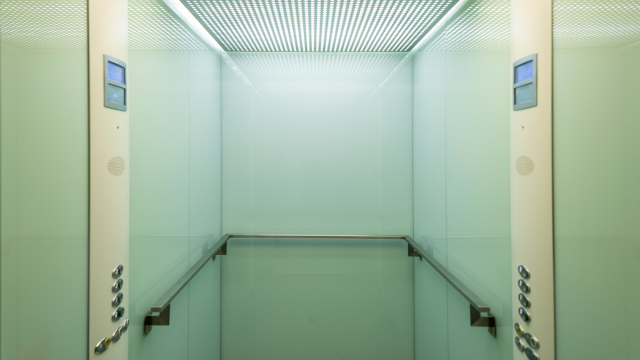

Lifts are among the most frequently used facilities in offices, hotels, shopping centres, hospitals and other commercial buildings. Throughout the day, passengers touch control buttons, move equipment through doorways and bring dirt, moisture and debris onto lift floors. Without regular attention, these confined spaces can quickly become visibly dirty and poorly maintained.
Lift cleaning is an essential part of professional building maintenance. However, cleaning a lift requires more care than cleaning an ordinary room. Lifts contain electrical controls, automatic doors, sensitive sensors and mechanical components that can be damaged or made unsafe by inappropriate cleaning methods.
Professional cleaners must understand which surfaces can be cleaned routinely, how to manage public access and when work requires a qualified lift specialist.
Effective procedures should also account for the different materials found inside lift cars, including stainless steel, glass, mirrors, vinyl flooring and decorative panels.
This guide explains safe lift cleaning methods for commercial buildings, including risk assessments, equipment selection, chemical handling, hygiene procedures and quality inspections. It also covers specialist cleaning restrictions, staff training and practical maintenance schedules.
What Is Lift Cleaning?
Lift cleaning is the process of removing dirt, dust, marks, spillages and other contamination from accessible lift surfaces.
It typically involves cleaning the passenger compartment, including the floor, walls, doors, mirrors, handrails and control panels.
The work may also include accessible landing-area surfaces and external call-button panels.
Lift cleaning is sometimes called elevator cleaning, particularly in international training materials. In the UK, lift is the more commonly used term.
Professional cleaning should distinguish between two types of work.
Routine lift-car cleaning covers the accessible surfaces that trained cleaning staff can maintain using approved equipment and procedures.
Specialist lift cleaning may involve areas such as shafts, pits, car roofs or internal mechanical spaces. These tasks present significantly greater hazards and require appropriately competent personnel and specialist cleaning arrangements.
Cleaning is not the same as mechanical maintenance.
Cleaning staff should not attempt to repair doors, adjust controls, dismantle panels or interfere with safety systems.
The aim is to maintain a clean, presentable passenger environment without compromising the operation or condition of the lift.
Why Lift Cleaning Is Important
Lifts are shared facilities used by employees, visitors, contractors and customers.
Because the available space is relatively small, dirt and visible contamination can affect the appearance of the entire passenger compartment.
Fingerprints may accumulate on control panels, while footwear brings grit and moisture onto the floor.
Regular cleaning helps maintain professional presentation and reduces the build-up of everyday contamination.
Supporting Workplace Hygiene
Lift buttons, handrails and other frequently touched surfaces benefit from appropriate cleaning.
Where disinfection is required, it should follow the building’s hygiene risk assessment and use a compatible product.
Routine cleaning removes soil and contamination, while disinfection is a separate process intended to reduce specified microorganisms.
The two should not be treated as interchangeable.
Maintaining Surface Condition
Suitable cleaning can help preserve decorative finishes by removing dirt before it becomes difficult to manage.
However, incompatible chemicals or abrasive tools can cause permanent damage.
Supporting Building Safety
Spillages and wet flooring can create slip risks.
Prompt reporting and appropriate removal of contamination help address these hazards.
Cleaners may also notice damaged surfaces or malfunctioning components that require attention from building management.
Consistent cleaning supports the wider maintenance programme, but it does not replace inspections or mechanical servicing.
Key Lift Cleaning Responsibilities
Lift cleaning responsibilities should be clearly defined within the building’s cleaning specification.
Routine cleaning teams may be expected to maintain the passenger compartment and accessible landing-area surfaces.
Their duties commonly include:
- Inspecting accessible surfaces for visible dirt, spillages and damage.
- Arranging suitable access restrictions before planned cleaning.
- Removing loose dust and debris from permitted areas.
- Cleaning floors, walls, doors and decorative finishes.
- Wiping accessible buttons and control-panel surfaces using approved methods.
- Maintaining cleaning equipment and following chemical safety procedures.
- Recording completed work and reporting defects.
Some buildings require additional attention because of heavy passenger traffic or particular hygiene arrangements.
For example, a hospital may have more detailed infection prevention procedures than a standard office building.
Cleaning supervisors should also communicate with facilities managers and lift maintenance contractors.
If a door appears damaged or a control panel behaves unusually, the cleaner should report the problem.
They should not attempt to resolve a mechanical or electrical fault themselves.
Lift Cleaning Risk Assessment
A risk assessment identifies the hazards associated with cleaning and establishes appropriate control measures.
The assessment should consider the particular lift, its location, passenger traffic and intended cleaning activities.
Main Hazards
Potential risks include wet floors, electrical equipment, chemical exposure, automatic door movement and unexpected lift operation.
The surrounding environment may also create hazards.
For example, cleaning equipment positioned near a busy landing could obstruct passengers or people using mobility aids.
Assessing Access Requirements
The risk assessment should distinguish ordinary surface cleaning from work involving machinery or restricted areas.
Cleaning a visible mirror inside the passenger compartment is substantially different from accessing a lift shaft.
The latter requires specialist cleaning competence and procedures.
Considering Lift Users
Lifts may provide essential access for disabled people and others who cannot readily use stairs.
Building management should consider alternative accessible routes when taking a lift out of service.
Cleaning schedules should minimise unnecessary disruption.
Reviewing the Assessment
Risk assessments should be reviewed when equipment, cleaning products or operating arrangements change.
Staff must understand the controls relevant to their tasks.
A written assessment is useful only when it informs actual working practices.
Lift Cleaning Equipment and Supplies
The equipment used for lift cleaning should be appropriate for confined spaces and sensitive surfaces.
Large floor-cleaning machines may be unsuitable because of limited manoeuvring space or the risk of striking panels and doors.
Routine equipment may include microfibre cloths, suitable mops, soft brushes, vacuum cleaners and approved cleaning solutions.
Microfibre Cleaning Cloths
Microfibre cloths are useful for removing dust, fingerprints and light marks from compatible surfaces.
Separate cloths may be used for different areas to reduce cross-contamination.
Colour-coded systems can help staff identify the correct equipment.
Vacuum Cleaners
A suitable vacuum may be used to remove loose debris from floor edges and accessible corners.
Attachments should be selected carefully to avoid scratching decorative finishes.
Floor-Cleaning Tools
Flat mops and controlled-moisture cleaning systems are often more manageable than large buckets or heavily saturated mops.
The objective is to remove contamination without leaving excess liquid.
Glass and Stainless Steel Equipment
Soft, non-abrasive cloths and compatible products are useful for maintaining decorative surfaces.
Equipment should be clean and in good condition before use.
Damaged cables, unsuitable attachments or contaminated cloths should not be used.
Preparing a Lift for Cleaning
Preparation helps ensure that cleaning can be completed without unnecessary disruption or interference with lift operation.
Begin by confirming the cleaning schedule with the responsible facilities team.
The cleaner should understand how the particular lift will be taken out of passenger service.
Restricting Passenger Access
For planned internal cleaning, the lift should be taken out of normal passenger use through an approved building procedure.
Appropriate notices and access controls should inform users that the lift is temporarily unavailable.
Where the lift serves an important accessible route, suitable alternative arrangements should be considered.
Securing the Working Area
Cleaning staff must not improvise methods for holding lift doors open or preventing movement.
Any relevant cleaning, parking or out-of-service mode should be operated only by authorised personnel according to the manufacturer’s instructions.
An emergency stop or ordinary floor-selection button should not be assumed to provide safe isolation.
Preparing Materials
Before entering the cleaning area, check that the required equipment is available.
The team should also inspect accessible surfaces for obvious damage.
If there are unusual noises, mislevelled floors, damaged doors or other signs of malfunction, the issue should be reported before work proceeds.
Cleaning should only begin when the arrangement is safe and authorised.
Cleaning Lift Floors and Surfaces
Lift floors are exposed to footwear, dust, grit and occasional liquid spillages.
Their cleaning requirements depend on the floor material.
Common finishes include vinyl, rubber, tile, stone and certain carpet materials.
Removing Loose Debris
Begin by collecting loose litter and vacuuming or sweeping accessible surfaces using compatible equipment.
This reduces the risk of abrasive particles scratching the floor during subsequent cleaning.
Cleaning Hard Floors
Use a product approved for the particular flooring.
Apply controlled moisture and remove the cleaning solution and contamination effectively.
Excess water should not be allowed to collect near door thresholds or floor openings.
The Health and Safety Executive warns that cleaning can itself introduce slip hazards if floors remain wet.
Cleaning Carpeted Floors
Carpeted lift floors may require vacuuming and occasional specialist cleaning treatment.
Any more intensive process should account for drying time and the possibility of moisture reaching underlying materials.
Final Drying
The floor should be sufficiently clean and dry before passengers are allowed to use the lift again.
A visually clean surface can still be hazardous if it retains slippery residues.
Cleaning Lift Doors and Panels
Lift doors require careful attention because they are moving components connected to important safety systems.
They may also be among the most visible surfaces in the passenger area.
Door Surfaces
Accessible door faces can be cleaned with a soft cloth and a product suitable for the particular finish.
Stainless steel doors may require a different cleaning product from painted or laminated panels.
Avoid abrasive pads and aggressive chemicals.
Door Edges and Tracks
Door thresholds and accessible sill areas can accumulate dust and small debris.
Cleaning should follow the lift manufacturer’s instructions and the building’s authorised procedure.
Staff should not force tools into gaps or attempt to remove components.
If a foreign object is trapped within the door mechanism, the problem should be referred to competent maintenance personnel.
Door Sensors
Modern lift doors may contain optical sensors or other protective devices.
Cleaning staff should not spray chemicals onto sensors, dismantle covers or attempt adjustments.
Schindler’s owner guidance cautions against chemical cleaning solutions on certain electronic door-protection equipment.
The installed lift manufacturer’s instructions should take priority.
Doors that do not operate correctly must be reported rather than treated as a cleaning issue.
Cleaning Lift Buttons and Controls
Lift buttons and control panels are frequently touched surfaces that require careful cleaning.
However, they also contain sensitive electrical or electronic components.
The cleaning method must therefore control moisture and prevent liquid entering the equipment.
Safe Button Cleaning
Where approved by the manufacturer, use a suitable lightly dampened cloth to clean accessible button faces and surrounding surfaces.
Cleaning liquid should be applied to the cloth rather than sprayed directly onto the control panel.
Schindler specifically advises against spraying cleaners directly onto pushbuttons and other lift fixtures.
Avoid allowing solution to collect around button edges or openings.
Touchscreen Controls
Some modern lifts use touchscreens or destination-control terminals.
These surfaces may have specialist cleaning protective coatings.
Use only products and methods approved for the particular equipment.
Cleaning Around Emergency Controls
Lift panels can include alarm buttons, communication equipment and emergency controls.
Cleaners should not cover, dismantle, test or interfere with these systems during routine cleaning.
If a control is damaged, loose or unresponsive, it should be reported immediately.
Where disinfection is required, product compatibility and contact time must be considered without saturating electrical equipment.
Cleaning Mirrors, Glass and Stainless Steel
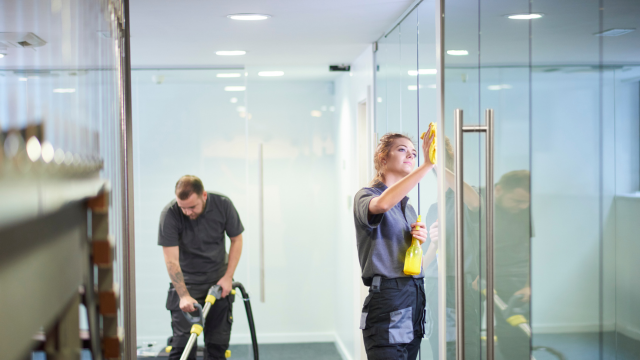
Decorative surfaces contribute significantly to a lift’s appearance.
Mirrors, glass panels and stainless steel are common in modern commercial buildings.
However, each material has different cleaning requirements.
Mirrors and Glass
Use a compatible glass-cleaning product and a clean, non-abrasive cloth.
Where practical, apply the product to the cloth rather than spraying directly towards surrounding fittings.
This helps control overspray and moisture.
Clean systematically to avoid streaks.
Damaged glass, loose panels or sharp edges should be reported instead of handled as ordinary cleaning work.
Stainless Steel
Brushed stainless steel can show fingerprints and marks clearly.
A compatible cleaner may help restore its appearance.
Schindler recommends suitable stainless steel cleaning products applied lightly with a soft cloth.
Wipe in the direction of the grain where appropriate.
Avoid abrasive products that may scratch the finish.
Decorative Finishes
Some lifts feature lacquered metal, wood-effect panels or specialist cleaning coatings.
Ammonia-based cleaners and other aggressive formulations can damage particular finishes.
Manufacturer guidance should be checked before using unfamiliar products.
A discreet compatibility test may be appropriate where permitted.
Cleaning Lift Shafts and Hard-to-Reach Areas
Lift shafts, also called lift wells, are not ordinary cleaning areas.
They contain moving equipment and may present serious hazards involving falls, crushing, electricity and restricted access.
Routine cleaning staff must not enter lift shafts, pits, car roofs or machinery spaces without the required specialist arrangements, competence and authorisation.
Specialist Shaft Cleaning
Dust and debris may accumulate within lift wells over time.
Removing this material can be necessary as part of an appropriate maintenance programme.
However, the work requires careful planning.
The Lift and Escalator Industry Association’s guidance on cleaning glass lift wells emphasises the presence of a suitably competent person, such as a lift engineer, whenever cleaning involves shaft access or operating the lift under maintenance conditions.
Working at Height
Access to car roofs or shaft areas may introduce fall hazards.
A task-specific risk assessment must consider safe access, relevant protective measures and the lift’s operating condition.
Cleaning Pits and Machinery Areas
Lift pits and machinery spaces should be accessed only under authorised specialist cleaning procedures.
Cleaners should never unlock landing doors, bypass interlocks or attempt to enter the lift well independently.
The industry’s BS 7255:2023 guidance addresses safe working practices and competence for personnel working on lifts.
Specialist cleaning must be coordinated with the responsible lift maintenance provider.
Lift Cleaning Chemicals and Safe Handling
Cleaning chemicals should be selected according to the surface material, contamination and workplace risk assessment.
A product suitable for an ordinary office floor may not be suitable for lift controls or decorative panels.
Some chemicals can damage coatings or leave undesirable residues.
COSHH Requirements
In Great Britain, the Control of Substances Hazardous to Health Regulations 2002 require employers to assess relevant hazardous substances and control exposure.
Northern Ireland has corresponding legislation under its own regulatory framework.
Cleaning products may present risks involving skin irritation, eye damage or respiratory exposure.
Employers should consider these hazards when selecting products and working methods.
Safety Data Sheets
Safety data sheets provide information about hazards, handling, storage and emergency procedures.
However, a safety data sheet is not a substitute for a workplace COSHH assessment.
Chemical Compatibility
Use cleaning products at the manufacturer’s recommended concentration.
Avoid mixing chemicals unless the manufacturer specifically confirms the combination is safe.
Products containing strong acids, alkalis or abrasive ingredients may damage particular lift surfaces.
Disinfectants should only be used where appropriate and compatible with the material.
Storage and Application
Cleaning chemicals should be clearly labelled and stored safely.
Avoid uncontrolled spraying, particularly near buttons, door sensors and electrical fittings.
The safest approach is to use the minimum appropriate amount of product needed to achieve the intended result.
Personal Protective Equipment for Lift Cleaning
Personal protective equipment should be selected according to the actual cleaning task and its hazards.
There is no universal PPE combination required for every lift-cleaning activity.
Protective Gloves
Suitable gloves may be needed when handling cleaning chemicals or contaminated materials.
The glove material should be compatible with the substances involved.
Disposable gloves are not automatically suitable for every chemical.
Eye Protection
Eye protection may be necessary where concentrated products create a splash risk.
The decision should reflect the risk assessment and product safety information.
Protective Footwear
Suitable slip-resistant footwear can help address risks associated with wet or contaminated floors.
However, footwear alone does not replace effective cleaning and drying procedures.
Protective Clothing
Aprons or other protective clothing may be appropriate where workers could come into contact with cleaning solutions or contamination.
The HSE explains that employers must provide suitable required PPE without charge and ensure employees know how to use it.
PPE should supplement safer products and appropriate work procedures rather than replace them.
Lift Cleaning Health and Safety Procedures
Lift cleaning should follow a documented safe system of work appropriate to the equipment and building.
The procedure must establish responsibilities for access control, equipment preparation, chemical handling and reopening the lift.
Safe Access
The lift should be taken out of passenger service where required for the planned task.
Only authorised personnel should operate relevant lift controls.
Cleaning staff must not interfere with emergency systems or attempt technical isolation without suitable competence.
Electrical Safety
Electrical cleaning equipment should be checked before use.
Damaged plugs, cables or controls can create additional hazards.
Liquids should be kept away from sensitive electrical fittings.
Building Safety Requirements
The HSE explains that passenger lifts provided for use by workers at work are generally subject to LOLER requirements.
Where applicable, lifts carrying people normally require thorough examination by a competent person at least every six months, unless an appropriate examination scheme applies.
Public-use lifts may fall under different statutory arrangements but still require effective safety management.
These examination requirements are separate from daily cleaning.
Cleaning staff should report concerns, while competent lift professionals manage inspection and technical maintenance.
Preventing Slips, Trips and Falls
Slip and trip prevention is particularly important during lift cleaning.
A confined passenger compartment provides limited space to move around equipment, and wet surfaces can become hazardous.
Controlling Wet Floors
Use an appropriate cleaning method that removes contamination without leaving excessive moisture.
Lift floors should be dry before normal service resumes.
The HSE recommends restricting access to wet or drying floors.
Warning signs can provide information, but they are not a complete substitute for effective access controls.
Managing Equipment
Cables, vacuum cleaners and cleaning containers should be positioned safely.
They must not obstruct doorways, landing areas or evacuation routes.
Preventing Falls
Staff should not lean into lift shafts or attempt to clean inaccessible exterior surfaces from unsafe positions.
Where work involves a fall risk, specialist cleaning planning and appropriate protection may be required.
Reporting Damage
Damaged flooring, loose mats or uneven thresholds can create trip hazards.
These should be reported promptly.
A lift that is not properly level with the landing may present a serious safety concern and must be referred to the responsible maintenance personnel.
Cleaning Around Electrical and Mechanical Components
Lift equipment contains electrical and mechanical systems that must remain protected during cleaning.
The passenger compartment may include door sensors, operating panels, lighting and communication equipment.
Cleaning staff should work only on approved accessible surfaces.
Electrical Controls
Do not spray liquids directly onto switches, buttons or electronic displays.
Avoid saturating cloths and allowing cleaning solution to enter seams or openings.
If a panel appears damaged or exposed, cleaning should stop and the issue should be reported.
Automatic Doors
The movement of lift doors creates potential trapping and impact hazards.
Staff should not place objects in the doorway or repeatedly obstruct sensors to keep the doors open.
An authorised out-of-service arrangement must be used for planned cleaning.
Mechanical Spaces
Equipment housings, access panels and machinery spaces should not be opened by routine cleaners.
These areas may contain hazardous moving components and electrical installations.
Only competent authorised personnel should undertake specialist cleaning or maintenance in these locations.
A clear boundary between cleaning and technical work protects both employees and lift users.
Lift Cleaning Schedules and Checklists
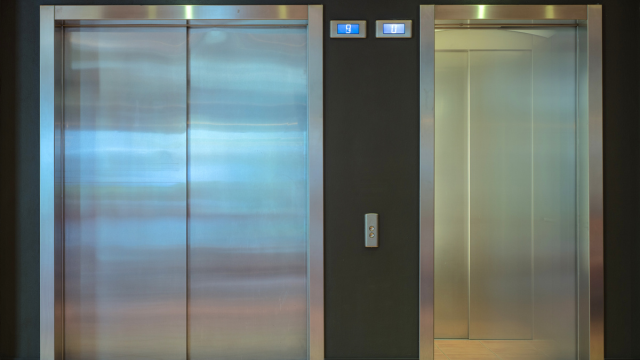
A cleaning schedule should reflect passenger numbers, the building’s activities and the condition of the lift.
There is no universal statutory requirement that every commercial lift must be cleaned at an identical frequency.
A busy hospital or shopping centre may require more frequent attention than a lightly used office lift.
Example Cleaning Schedule
| Frequency | Suggested cleaning activity |
| Daily or as needed | Inspect accessible surfaces, remove visible debris and respond to spills |
| Routine scheduled cleaning | Clean floors, buttons, handrails, mirrors and accessible panels |
| Weekly or condition-based | Carry out more detailed cleaning of approved surfaces and accessible edges |
| Periodic specialist cleaning work | Arrange technical-area cleaning only where needed and through competent contractors |
These are illustrative frequencies, not universal standards.
The schedule should be adjusted using inspections, usage patterns and relevant manufacturer guidance.
Practical Lift Cleaning Checklist
Before and after planned cleaning, confirm that:
- The relevant risk assessment and cleaning instructions are available.
- The lift has been appropriately taken out of passenger service.
- Cleaning tools and chemicals are approved for the surfaces involved.
- Floors, walls and other accessible surfaces have been cleaned.
- Buttons and controls have been wiped without introducing excess moisture.
- Glass and decorative panels are free from avoidable marks.
- No tools, waste or cleaning residues remain.
- The floor is dry and any identified defects have been reported.
- The responsible person has completed the appropriate handover before reopening.
Records should identify the date, work completed and outstanding issues.
Staff Training and Competency
Employees responsible for lift cleaning need instruction that reflects the equipment, cleaning products and risks involved.
General cleaning experience is useful, but it does not automatically establish competence in every lift environment.
Routine Cleaner Training
Relevant instruction should cover safe access arrangements, approved surface-cleaning methods and the protection of electrical controls.
Workers should also understand COSHH procedures, PPE requirements and how to report suspected faults.
Practical Training
Supervised practical instruction helps employees demonstrate that they can complete the work safely.
For example, a supervisor may observe whether the cleaner uses suitable moisture control around buttons and door panels.
Employees should understand when to stop work and seek assistance.
specialist cleaning Competence
Work involving lift shafts, machinery spaces or other restricted technical areas requires additional competence.
LEIA guidance identifies basic lift safety knowledge and appropriate supervision as important for people working on lift installations.
General cleaning training should never be treated as authorisation to access restricted machinery.
Online Learning Opportunities
Skills Pack offers online courses covering cleaning principles and workplace health and safety.
Its published Level 5 Certificate in Cleaning introduces professional cleaning and hygiene topics, while Level 1, 2, 3 Health and Safety in the Workplace includes subjects such as PPE, work equipment and chemical hazards.
These courses may support general theoretical awareness, depending on their verified content.
However, the cleaning course’s full official syllabus and regulated qualification status are not independently established.
Online learning cannot replace equipment-specific instruction, supervised practical assessment or specialist cleaning lift safety competence.
Quality Control and Lift Cleaning Inspections
Quality control helps determine whether cleaning has achieved the required standard without damaging surfaces or creating hazards.
Inspection should consider appearance, cleanliness and safe completion.
Visual Inspection
Supervisors can check floors, walls, mirrors and handrails for remaining dirt and visible marks.
Stainless steel surfaces should be assessed for streaks, scratches and excessive product residue.
High-Touch Areas
Accessible buttons, handrails and other frequently touched surfaces should be reviewed against the building’s cleaning specification.
Where disinfection is required, quality control should consider whether the approved product and procedure were used.
A surface looking clean does not establish that it has been disinfected.
Safety Checks
The inspector should confirm that the floor is dry and cleaning equipment has been removed.
Any suspected mechanical or electrical defect must be recorded and referred to the appropriate personnel.
Cleaning supervisors should not undertake technical lift tests unless specifically competent and authorised.
Cleaning Records
Records can identify recurring contamination, missed tasks and maintenance concerns.
For example, repeated moisture near a lift entrance may indicate a wider problem requiring investigation.
Quality control should support continuous improvement rather than simply confirm that a checklist has been signed.
Common Lift Cleaning Mistakes
One common mistake is using excessive water.
Liquid can enter floor edges, door openings or electrical components, creating additional risks.
Another problem is applying cleaning chemicals directly to buttons and control panels.
Manufacturer guidance recommends controlled application rather than spraying fixtures.
Abrasive cleaning pads can also damage stainless steel, mirrors and decorative finishes.
Using incompatible products may cause discolouration or damage protective coatings.
Other mistakes include cleaning during busy passenger periods without suitable access arrangements, leaving wet floors open to users and failing to report damaged components.
Some staff may attempt to remove trapped debris from door mechanisms with unsuitable tools.
This can interfere with equipment or expose the worker to hazards.
A particularly serious mistake is confusing routine cleaning with technical maintenance.
Opening machinery panels, entering lift pits or interfering with safety equipment is outside ordinary cleaning responsibilities.
Another problem is relying on fixed cleaning schedules without inspecting actual conditions.
A heavily used lift may need additional attention between planned cleaning sessions.
These mistakes can be reduced through suitable training, clear procedures and effective supervision.
How to Maintain Commercial Lift Hygiene
Maintaining lift cleanliness requires a consistent programme rather than occasional intensive cleaning.
Facilities managers should consider the number of lift users, the building’s operating hours and the surfaces requiring attention.
High-touch areas may need more frequent cleaning in busy environments.
Floor maintenance should respond to visible contamination and weather-related moisture brought in by passengers.
Establish Clear Responsibilities
The cleaning contract should identify which surfaces routine staff are authorised to clean.
specialist cleaning technical areas must remain under appropriate maintenance arrangements.
Use Suitable Products
Cleaning products should be compatible with the installed lift’s materials.
The building’s approved product list can help prevent employees from selecting unsuitable chemicals.
Monitor Passenger Traffic
Cleaning frequency may need adjustment during busy events, seasonal periods or changes in building occupancy.
Support Hygiene Procedures
Where additional hygiene controls are justified, cleaning and disinfection should follow an appropriate risk assessment.
Staff should understand the difference between removing soil and applying a disinfectant correctly.
Coordinate with Maintenance Teams
Cleaning supervisors should report suspected defects and coordinate access arrangements with facilities managers.
Routine cleaning supports the building’s maintenance programme but does not replace it.
For organisations managing several buildings, including lift cleaning within wider commercial building cleaning specifications can improve consistency and accountability.
Key Takeaways
Professional lift cleaning requires appropriate methods, suitable equipment and a clear understanding of safety boundaries.
The essential principles are:
- Assess the lift and cleaning task before starting work.
- Arrange suitable passenger access restrictions for planned cleaning.
- Follow manufacturer guidance for floors, doors, buttons and decorative surfaces.
- Use controlled amounts of cleaning solution near sensitive equipment.
- Manage COSHH, PPE, electrical and slip hazards.
- Restrict lift shaft and machinery-area work to appropriately competent specialist cleaning.
- Train employees in the actual procedures used at their workplace.
- Inspect completed work and report suspected mechanical defects.
- Maintain cleaning schedules based on building use and observed conditions.
A successful cleaning programme should protect passengers, cleaning employees and the lift equipment.
Frequently Asked Questions (FAQ)
What is lift cleaning?
Lift cleaning involves removing dust, dirt, spillages and other contamination from accessible lift surfaces.
Common areas include passenger-compartment floors, walls, doors, mirrors, handrails and control panels.
Routine work should use products compatible with the particular lift and follow authorised access procedures.
Cleaning inside shafts or machinery spaces is specialist cleaning work requiring additional competence and safety arrangements.
How often should commercial lifts be cleaned?
Cleaning frequency depends on passenger traffic, the building’s activities and the condition of the lift.
Busy offices, shopping centres and healthcare buildings may require daily cleaning and additional attention to heavily touched surfaces.
Lower-traffic buildings may use a different schedule.
There is no universal statutory cleaning interval suitable for every lift.
Facilities managers should review the schedule using inspections and actual usage.
What equipment is used for lift cleaning?
Common equipment includes microfibre cloths, suitable mops, soft brushes and vacuum cleaners.
Compatible glass and stainless steel cleaning products may also be required.
The tools should be suitable for confined spaces and sensitive surfaces.
specialist cleaning lift-well cleaning involves different equipment and must be arranged through appropriately competent personnel.
How should lift doors and panels be cleaned?
Accessible door and panel surfaces should be cleaned using a soft cloth and a product approved for the material.
Avoid abrasive cleaners and excessive moisture.
Cleaning liquids should not be sprayed towards sensors, switches or electrical fittings.
Staff must not force doors open or interfere with door mechanisms.
Suspected faults or trapped objects should be referred to the responsible maintenance team.
What PPE is required for lift cleaning?
PPE depends on the cleaning task and the hazards identified through the risk assessment.
Suitable chemical-resistant gloves, eye protection, protective clothing or slip-resistant footwear may be required.
Not every task needs the same equipment.
Employers must provide required PPE and ensure workers understand how to use it correctly.
PPE does not replace safe access, chemical controls or appropriate cleaning methods.
What are the main safety risks when cleaning lifts?
Important risks include wet floors, chemical exposure, electrical hazards and unexpected lift or door movement.
Work involving lift shafts, pits or machinery areas can create additional risks of falls, crushing and entrapment.
These hazards require appropriate controls and specialist cleaning procedures.
Routine cleaners should work only within their authorised responsibilities.
How should cleaning be carried out around lift controls?
Use a compatible cleaning product applied carefully to a cloth where the manufacturer permits it.
Do not spray liquid directly onto buttons, electronic displays or control-panel openings.
Avoid excessive moisture and abrasive materials.
Emergency controls and communication devices should not be interfered with.
Damaged or malfunctioning controls must be reported to competent maintenance personnel.
What should a lift cleaning checklist include?
A checklist should identify the risk assessment, access arrangements, approved products and cleaning responsibilities.
It should cover floors, accessible panels, doors, mirrors and high-touch surfaces.
The final inspection should confirm that no cleaning materials remain and the floor is dry.
Any suspected defects should be recorded.
The checklist should also confirm that the appropriate handover has taken place before the lift returns to normal passenger use.
Conclusion
Lift cleaning plays an important role in maintaining clean, presentable and professionally managed commercial buildings.
However, effective cleaning involves more than removing fingerprints or mopping the passenger compartment. Lifts contain sensitive electrical controls, automatic doors and mechanical components that require careful treatment.
Safe procedures begin with a suitable risk assessment, manufacturer-approved products and arrangements that prevent interference with normal passenger movement.
Regular surface cleaning supports lift hygiene, while appropriate staff instruction and quality inspections help maintain consistent standards.
For facilities managers, incorporating lift cleaning into a wider commercial building cleaning programme can improve scheduling, reporting and accountability.
It is equally important to recognise the limits of routine work. Cleaning inside shafts, pits and other technical areas requires competent personnel and appropriate specialist cleaning arrangements.
Whether maintaining a small office lift or coordinating the cleaning of several passenger lifts in a busy building, the objective remains the same: achieve appropriate cleanliness without compromising safety or equipment condition.
By combining reliable cleaning procedures, suitable training and effective coordination with lift maintenance specialists, organisations can provide a cleaner and better-maintained environment for employees, visitors and customers.