School Cleaning Procedures: Standards and Daily Practices
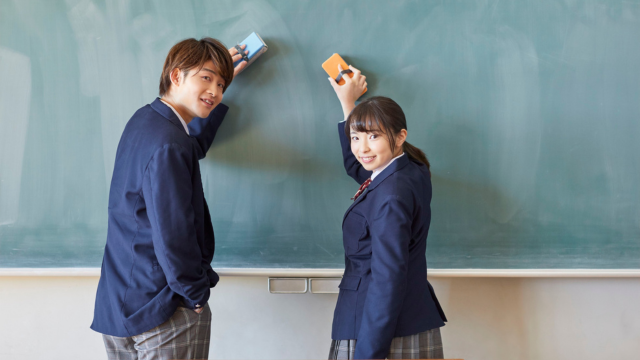

A clean school environment plays an important role in supporting pupils’ health, comfort and learning. Classrooms, corridors, toilets, dining areas and shared facilities are used by hundreds of people throughout the school day, making regular educational cleaning essential.
Without effective cleaning, dust, food waste and everyday contamination can accumulate quickly. Frequently touched surfaces may also contribute to the spread of infections if hygiene practices are inadequate.
Professional school cleaning procedures help schools maintain clean, safe and well-organised environments through consistent routines, suitable equipment and appropriate infection prevention measures.
However, school cleaning involves more than simply wiping desks or mopping floors. Cleaning staff must understand chemical safety, cross-contamination risks, safeguarding arrangements and how to work safely around children and school employees.
Different areas also require different educational cleaning methods. A classroom may need routine dusting and surface cleaning, while toilets and food preparation areas require more specific hygiene controls.
This guide explains school cleaning procedures, daily responsibilities, appropriate cleaning frequencies, equipment requirements and workplace safety practices. It also covers professional educational cleaning services, staff training, deep cleaning and how schools can monitor cleaning quality.
What Are School Cleaning Procedures?
School cleaning procedures are documented methods used to maintain cleanliness and hygiene throughout educational premises.
They explain which areas require cleaning, the appropriate methods, the products and equipment to use, and who is responsible for completing the work.
A typical cleaning programme covers classrooms, corridors, toilets, dining areas, offices and shared facilities.
Procedures also establish arrangements for unexpected incidents, including spillages, vomiting and other contamination.
For example, routine classroom educational cleaning might involve removing waste, wiping accessible surfaces and cleaning floors.
A toilet cleaning procedure requires different equipment and additional measures to prevent cross-contamination.
Professional educational cleaning should follow relevant public health guidance and workplace safety requirements.
The UK Health Security Agency (UKHSA) recommends written cleaning schedules identifying tasks, frequencies and responsibilities.
Procedures should be adapted to the age of pupils, building layout and activities undertaken.
A nursery, primary school and secondary school may have different educational cleaning priorities.
Why School Cleaning Is Important
Schools bring large numbers of children and adults together in shared environments.
Regular educational cleaning helps remove visible dirt and reduce contamination on surfaces and equipment.
Supporting Infection Prevention
Pupils frequently touch desks, door handles, taps and shared equipment.
The UKHSA identifies environmental cleaning and hand hygiene as important infection prevention measures.
Maintaining Safe Facilities
Spillages, litter and wet floors can contribute to slips and trips.
Prompt educational cleaning and reporting help address these hazards.
Creating a Comfortable Learning Environment
Clean classrooms and shared spaces support a more pleasant environment for pupils and staff.
Dust, unpleasant odours and overflowing bins can affect everyday comfort.
Protecting School Facilities
Appropriate cleaning helps maintain flooring, furniture and other materials.
However, unsuitable chemicals or equipment can damage surfaces.
Supporting Parents’ Confidence
Visible cleanliness demonstrates that the school takes the condition of its premises seriously.
Effective cleaning is one part of wider school health, safety and premises management.
School Cleaning Standards and Hygiene Requirements
Schools must follow relevant health and safety, premises and hygiene requirements.
However, there is no single statutory cleaning checklist specifying identical educational cleaning frequencies for every UK school.
Requirements vary according to the nation, type of school and activities undertaken.
UKHSA Infection Prevention Guidance
The UKHSA’s Health Protection in Children and Young People’s Settings guidance, updated in September 2026, recommends regular cleaning, appropriate disinfection and clear schedules.
It also recommends staff training, suitable protective equipment and monitoring educational cleaning standards.
Health and Safety Requirements
In Great Britain, the Health and Safety at Work etc. Act 1974 and associated regulations are relevant to managing workplace hazards.
Northern Ireland has its own corresponding health and safety enforcement framework.
School Premises
England’s School Premises Regulations 2012 contain requirements concerning facilities such as toilets, washing facilities and water supplies for relevant schools.
Other UK nations have their own applicable arrangements.
Food Hygiene
School kitchens and food preparation areas must follow relevant food safety legislation and Food Standards Agency guidance.
School cleaning standards should therefore reflect the actual premises, identified risks and applicable legal requirements rather than a generic checklist alone.
Key School Cleaning Responsibilities
School cleaners are responsible for completing assigned educational cleaning tasks safely and consistently.
Common responsibilities include:
- Cleaning classrooms, corridors, offices and shared spaces.
- Maintaining toilets and washroom facilities.
- Emptying bins and managing routine waste.
- Sweeping, vacuuming and mopping suitable flooring.
- Cleaning accessible desks, tables and frequently touched surfaces.
- Replenishing approved hygiene supplies where required.
- Following cleaning schedules and chemical safety procedures.
- Reporting damage, spillages and maintenance problems.
- Recording completed tasks and outstanding concerns.
Some employees also undertake periodic carpet educational cleaning, machine floor cleaning or specialist cleaning activities.
Responsibilities should be clearly defined.
For example, a cleaner may report a blocked toilet but should not attempt complex plumbing repairs without the required competence.
School educational cleaning teams should communicate with caretakers, facilities managers and other authorised personnel.
Effective cleaning depends on knowing which tasks are routine and when specialist support is needed.
A Typical Day for a School Cleaner
A school cleaner’s working day depends on the school’s timetable and the employee’s shift pattern.
Some cleaners work early in the morning or after pupils have left.
Others provide cleaning support during the school day.
A morning shift may begin with inspecting toilets, corridors and entrances.
The cleaner might remove litter, replenish supplies and address visible spillages.
During lessons, authorised staff may clean unoccupied communal spaces or respond to urgent incidents.
After school, the main educational cleaning programme often begins.
This may involve emptying classroom bins, educational cleaning desks, vacuuming floors and maintaining washrooms.
Employees also check their equipment and report defects.
A supervisor may inspect completed work and organise any outstanding tasks.
Cleaning must be coordinated with school activities to avoid unnecessary disruption or unsafe access.
School Cleaning Equipment and Supplies
School cleaning requires equipment suitable for different surfaces and hygiene risks.
Common items include microfibre cloths, mops, buckets, brushes, vacuum cleaners and suitable educational cleaning products.
Colour-Coded Equipment
The UKHSA recommends colour coding to help prevent cross-contamination.
One commonly used arrangement is:
- Red for toilets and washrooms.
- Yellow for handwashing basins and sinks.
- Blue for general areas.
- Green for kitchens and food-related areas.
Colour coding is good practice rather than a universal statutory requirement.
Schools should follow a clearly communicated system.
Vacuum Cleaners
Suitable vacuum cleaners remove dust and debris from carpets and other appropriate surfaces.
Floor-Cleaning Equipment
Flat mops, scrubber-driers and other equipment may be used according to floor type and site conditions.
Cleaning Products
Products should be appropriate for the surfaces and tasks involved.
Disinfectants are needed for particular activities, but not every surface requires routine chemical disinfection.
Equipment should be cleaned, dried and stored appropriately after use.
Daily School Cleaning Checklist
A daily checklist helps employees complete important tasks consistently.
The exact activities should reflect the school’s educational cleaning specification.
Classroom Tasks
- Empty bins and replace liners where necessary.
- Remove visible dirt from accessible desks and tables.
- Clean frequently touched surfaces as scheduled.
- Vacuum or mop floors using suitable methods.
Toilet Tasks
- Clean toilet fixtures, basins and accessible surfaces.
- Check taps, flush handles and door fittings.
- Replenish soap and other supplies where assigned.
- Remove waste and inspect the condition of the facilities.
Communal Area Tasks
- Remove litter from corridors and entrances.
- Clean accessible handrails and door handles.
- Address spillages and report hazards.
- Check that walkways and exits remain unobstructed.
Final Inspection
- Store chemicals and equipment securely.
- Confirm cleaned floors are safe to use.
- Record completed work and outstanding issues.
A checklist should support practical inspections rather than replace supervision.
Classroom Cleaning Procedures
Classrooms contain desks, chairs, storage furniture and equipment used by several pupils.
Regular classroom cleaning helps remove everyday dirt and contamination.
Preparing the Classroom
Cleaning should normally take place when the room is unoccupied or when appropriate arrangements protect pupils and staff.
Check for loose materials and items requiring special handling.
Staff should not move confidential documents or pupils’ personal belongings unnecessarily.
Cleaning Desks and Tables
Use a suitable cloth and approved product to remove marks and contamination.
Surfaces should be treated according to their material.
Shared Equipment
Items frequently handled by several pupils may need additional attention.
Electronic devices and keyboards should only be cleaned using manufacturer-approved methods.
Avoid spraying liquid directly into electrical equipment.
Floor Cleaning
Vacuum or mop the floor according to the surface.
Remove debris from accessible corners and circulation areas.
Final Checks
Furniture should be returned safely and equipment removed.
Any damaged furniture or exposed electrical fittings should be reported.
School Corridor and Common Area Cleaning
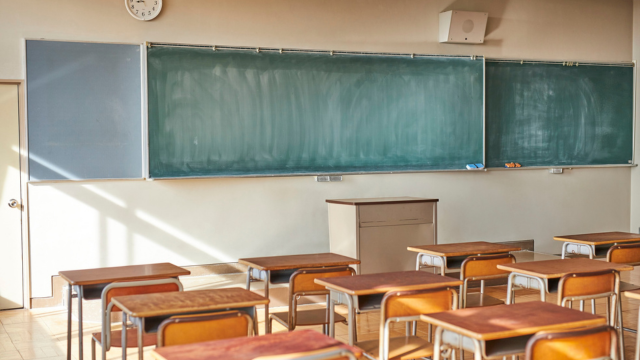
Corridors, entrances and shared spaces experience continuous foot traffic.
These areas can accumulate dust, litter, moisture and marks throughout the day.
Routine Cleaning
Remove litter and visible debris using appropriate equipment.
Clean accessible handrails, door handles and other commonly touched surfaces according to the schedule.
Managing Entrances
Wet footwear can introduce moisture during rainy weather.
Suitable entrance mats and prompt spill removal may help manage slip risks.
Maintaining Safe Routes
The HSE warns that educational cleaning can create slip hazards when floors remain wet.
Access to wet or drying areas should be controlled appropriately.
Warning signs alone are not always sufficient.
Shared Facilities
Libraries, halls and staff areas may require different educational cleaning methods depending on their use.
Cleaning staff must avoid obstructing emergency exits and accessible routes.
High-traffic areas may need additional inspection during the day.
School Toilet Cleaning Procedures
School toilets require particular attention because of frequent use and the potential presence of harmful microorganisms.
Cleaning should follow a documented procedure using dedicated equipment.
Preparing the Area
Where necessary, restrict access to the facilities during cleaning.
Use suitable protective equipment and check the condition of fixtures.
Cleaning Toilet Fixtures
Clean toilet bowls, seats, flush controls and accessible exterior surfaces using approved products.
Follow the manufacturer’s instructions.
Cleaning Basins and Taps
Remove visible dirt and contamination from basins, taps and surrounding surfaces.
Use separate equipment from that used for toilets.
Cleaning Floors
Remove litter before washing suitable flooring.
Avoid leaving excess water or slippery residues.
Replenishing Supplies
Check toilet paper, liquid soap and hand-drying supplies where this responsibility forms part of the educational cleaning contract.
Inspection
Report blocked toilets, damaged fittings, leaks and other problems.
Toilets may require inspections and additional educational cleaning throughout the school day, depending on usage and the site’s risk assessment.
School Canteen and Dining Area Cleaning
Dining areas require appropriate hygiene because pupils consume food in these spaces.
Cleaning responsibilities should distinguish ordinary dining areas from kitchens and food preparation zones.
Dining Tables and Seating
Remove food debris and clean tables using suitable products.
Where disinfection is necessary, follow the approved procedure and product contact time.
Food Preparation Areas
The Food Standards Agency requires effective educational cleaning arrangements for food businesses.
Food-contact surfaces and equipment must be cleaned and disinfected appropriately, especially after contact with raw food.
Preventing Cross-Contamination
Use separate equipment for food-related areas.
Cloths and educational cleaning tools used in toilets should never be transferred to kitchens.
Waste Management
Food waste should be collected and removed appropriately.
Bins should be cleaned according to their use and condition.
Product Selection
Food-area disinfectants must be suitable for their intended purpose.
The Food Standards Agency advises checking relevant efficacy standards, including BS EN 1276 or BS EN 13697.
School kitchen teams must follow the food business’s own documented food safety arrangements.
High-Touch Surface Cleaning and Disinfection
Frequently touched surfaces deserve additional attention because several people may contact them throughout the day.
Examples include door handles, light switches, handrails, taps and shared equipment.
Cleaning Versus Disinfection
Cleaning uses appropriate methods, often detergent and water, to remove soil and many microorganisms.
Disinfection uses a suitable product or process to reduce targeted microorganisms.
The two activities are not interchangeable.
Routine Cleaning
UKHSA guidance explains that detergent and water are normally sufficient for many everyday surfaces.
Additional disinfection is appropriate for particular contamination risks and areas.
Applying Disinfectants
When disinfection is required, follow the product’s dilution, compatibility and contact-time instructions.
A surface must remain treated for the necessary period.
Cleaning Electronics
Avoid excessive moisture around switches, screens and electrical fittings.
Use manufacturer-approved methods.
Cleaning frequency should reflect how often surfaces are touched and whether additional infection risks have been identified.
School Floor and Carpet Cleaning
School floors experience heavy daily use.
Different materials require different educational cleaning approaches.
Hard Floors
Sweep or vacuum loose debris before mopping.
Use suitable products and avoid excessive water.
Floors should be safe and sufficiently dry before pupils return.
Carpeted Areas
Carpets should be vacuumed regularly using appropriate equipment.
Spillages may require prompt treatment to prevent staining or lingering contamination.
Periodic Carpet Cleaning
More intensive educational cleaning may be scheduled when the area can remain out of use until properly dry.
The method should suit the carpet material.
Floor Maintenance
Some floors have protective finishes requiring specialist care.
Incorrect machinery or chemicals may damage these surfaces.
educational cleaning teams should report loose flooring, damaged tiles and other trip hazards.
The objective is to maintain cleanliness without making the area unsafe.
Waste Management and Safe Disposal
Schools produce waste from classrooms, toilets, dining areas and other facilities.
Professional cleaners should follow the school’s waste segregation and collection procedures.
General Waste
Bins should be emptied according to usage and the educational cleaning schedule.
Waste bags should be handled carefully to avoid unnecessary contact with contents.
Recycling
Recyclable materials should be separated according to local arrangements.
Contaminated materials should not automatically be placed in recycling bins.
Food Waste
Food-related waste requires appropriate collection and storage to avoid contamination and pest problems.
Bodily Fluid Waste
Blood, vomit and other bodily fluid contamination require specific procedures.
UKHSA guidance recommends appropriate PPE, disposable cleaning materials and safe disposal.
Sharps and Needles
Cleaning staff should not pick up discarded needles using bare hands or ordinary educational cleaning tools.
A suitable sharps procedure and trained personnel are required.
Where exposure occurs, prompt medical advice and incident reporting are essential.
Waste handling must follow the applicable duty of care and any additional clinical waste requirements.
Cleaning Chemicals and Safe Handling
School cleaning products must be selected and used carefully because children and staff occupy the same environment.
COSHH Requirements
In Great Britain, the Control of Substances Hazardous to Health Regulations 2002 require employers to assess and control relevant hazardous substances.
Northern Ireland has corresponding legislation.
Chemical Selection
Use products suitable for the intended surfaces and educational cleaning tasks.
Stronger chemicals are not automatically more effective or appropriate.
Safe Dilution
Follow manufacturer instructions for concentrations and application methods.
Excessive dilution can reduce effectiveness, while over-concentrated solutions may increase risks.
Avoid Mixing Chemicals
Never mix educational cleaning chemicals unless the manufacturer specifically confirms that the combination is safe.
Mixing bleach with acids or ammonia-containing products can release dangerous gases.
Secure Storage
Cleaning chemicals should remain in appropriately labelled containers and be stored securely away from pupils.
Products must not be transferred into food or drink bottles.
Safety data sheets provide important information but do not replace workplace COSHH assessments.
Infection Prevention and Hygiene Practices
Effective school hygiene relies on educational cleaning alongside hand hygiene, respiratory hygiene and appropriate ventilation.
Cleaning alone cannot prevent every infection.
Hand Hygiene
The UKHSA recommends access to liquid soap, water and suitable hand-drying facilities.
Handwashing is especially important after toilet use and before eating.
Respiratory Hygiene
Pupils and staff should be encouraged to use tissues appropriately and clean their hands afterwards.
Responding to Illness
Schools should follow applicable public health advice when pupils or employees develop symptoms of infectious illnesses.
Bodily Fluid Spillages
Blood, vomit and faecal contamination should be cleaned promptly using appropriate PPE and suitable cleaning and disinfection methods.
UKHSA guidance advises using disposable materials for these spillages rather than ordinary reusable mops.
Outbreak Arrangements
During an outbreak, the relevant health protection team may recommend enhanced cleaning.
Schools should follow current official guidance instead of introducing unverified infection control measures.
Good hygiene practices must be maintained consistently rather than introduced only when illness becomes widespread.
Deep Cleaning Procedures for Schools
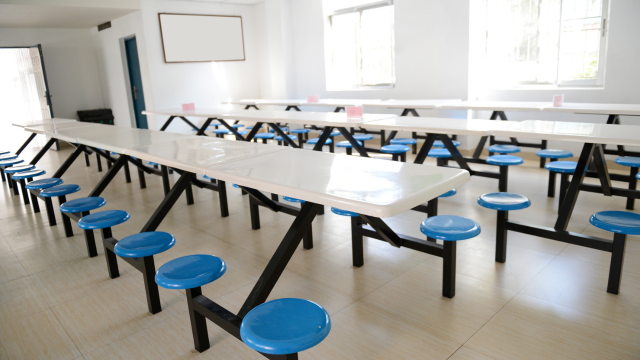
Deep cleaning involves more intensive attention to areas and surfaces that may not require detailed cleaning every day.
It complements routine cleaning rather than replacing it.
Planning Deep Cleaning
Schools may schedule more intensive work during holidays, inset days or other suitable periods.
The programme should reflect the premises’ condition and operational requirements.
Typical Activities
Deep cleaning may include detailed floor cleaning, carpet treatment and cleaning accessible areas behind furniture.
Some facilities may need specialist cleaning of difficult-to-reach surfaces.
Equipment and Product Selection
The methods should suit the materials and intended tasks.
Specialist machinery requires appropriately trained operators.
Cleaning During Outbreaks
Additional cleaning during an infectious disease outbreak should follow current public health advice.
An outbreak does not automatically mean that every surface requires aggressive chemical treatment.
Reopening Areas
Cleaned areas should be inspected before being returned to normal use.
Floors must be sufficiently dry, equipment removed and any outstanding hazards addressed.
School Cleaning Safety Procedures
Cleaning staff must protect themselves, pupils and other school users.
Risk Assessments
Employers should assess risks associated with chemicals, equipment, slips, manual handling and working around children.
Personal Protective Equipment
Gloves, aprons, protective footwear and eye protection may be necessary depending on the task.
The risk assessment should determine the requirements.
Electrical Safety
Avoid introducing moisture into electrical fittings.
Damaged cables, sockets and equipment should be reported.
Manual Handling
Cleaning staff should use suitable methods for moving supplies and equipment.
Safeguarding and DBS Checks
In England, Keeping Children Safe in Education 2026 requires schools to apply appropriate safeguarding arrangements to contractors.
DBS eligibility depends on actual duties and contact with children.
A regular school cleaner who meets the relevant regulated activity conditions may require an enhanced DBS check with children’s barred list information.
It would be incorrect to assume that every cleaner requires the same check regardless of circumstances.
Asbestos Awareness
Older school buildings may contain asbestos-containing materials.
Cleaning staff must not disturb suspicious damaged materials or undertake intrusive work without appropriate arrangements.
School Cleaning Schedules and Frequencies
Cleaning schedules should reflect the number and age of pupils, premises layout and actual levels of contamination.
UKHSA guidance recommends daily, weekly and periodic cleaning arrangements.
There is no universal statutory requirement to deep-clean every school at one fixed interval.
Example Cleaning Schedule
| Frequency | Typical activities |
| Daily | Classroom surfaces, floors, waste bins, toilets and accessible communal areas |
| During the school day | Toilet checks, spill response and high-touch cleaning where needed |
| Weekly or condition-based | More detailed cleaning of furnishings, accessible edges and less frequently used areas |
| Periodic | Carpet cleaning, intensive floor care and other planned deep-cleaning tasks |
| As required | Bodily fluid spill response and additional cleaning advised during outbreaks |
These frequencies are examples rather than mandatory national intervals.
Schools should revise schedules when occupancy, activities or infection risks change.
Written records can help supervisors confirm completion and identify recurring problems.
Professional School Cleaning Services
Schools may employ their own cleaning staff or use external contractors.
Both arrangements require clear responsibilities and effective supervision.
Cleaning Specifications
The school should establish which areas require cleaning, expected frequencies and the required hygiene outcomes.
Contractor Competence
Professional contractors should demonstrate appropriate training, supervision and safe working methods.
They should understand the particular risks associated with educational premises.
Safeguarding Arrangements
Contracts should establish safeguarding expectations, site access requirements and the appropriate checks for personnel.
Quality Monitoring
The school should monitor whether agreed cleaning standards are achieved.
This may involve inspections, cleaning records and regular meetings with supervisors.
Specialist Services
Some work requires specialist equipment or competence.
For example, advanced floor treatment or restricted-area cleaning may need additional arrangements.
A good cleaning contract should explain how these activities will be managed rather than assume that all tasks are covered by ordinary daily cleaning.
School Cleaner Skills and Training
School cleaners need practical skills alongside an understanding of workplace safety and hygiene.
Essential Skills
Important abilities include attention to detail, organisation, time management and reliable communication.
Cleaners must understand how to use equipment and follow written procedures.
Hygiene Training
Employees should learn about cross-contamination, colour-coded tools and appropriate cleaning methods.
They also need to understand when disinfection is necessary.
Chemical Safety
Training should cover relevant COSHH assessments, product handling, storage and emergency procedures.
Safeguarding Awareness
School cleaners should understand the organisation’s safeguarding reporting arrangements and rules for working around pupils.
Professional Development with Skills Pack
Skills Pack offers online courses covering cleaning and workplace health and safety.
Its Level 5 Certificate in Cleaning is marketed as an introductory professional cleaning programme, although its detailed official syllabus, awarding organisation and regulated qualification status should be confirmed with the provider.
The Level 1, 2, 3 Health and Safety in the Workplace programme covers topics including workplace hazards, PPE, chemical and biological risks, equipment safety and accident reporting.
These courses may support general theoretical understanding.
However, online learning cannot replace employer-specific instruction, practical assessments, safeguarding procedures or specialist cleaning competence.
How to Maintain Consistent School Cleaning Standards
Maintaining reliable cleaning standards requires more than completing a daily checklist.
Schools should establish clear procedures and review the quality of completed work.
Assign Responsibilities
Every cleaning area should have an identified employee or team.
Staff should understand who is responsible for urgent cleaning requests.
Provide Suitable Resources
Employees need appropriate cleaning products, equipment and enough time to complete their tasks.
Monitor Results
Supervisors should inspect classrooms, toilets and communal spaces regularly.
Inspections should consider actual cleanliness and safety rather than simply checking signatures.
Respond to Problems
Missed tasks, recurring contamination and damaged equipment should be reported and addressed.
Review Cleaning Methods
Changes in school activities, occupancy or public health advice may require adjustments.
Encourage Communication
Teachers, caretakers and cleaning staff should have clear ways to report concerns.
Consistent cleaning depends on suitable supervision, practical training and ongoing cooperation.
Key Takeaways
Effective school cleaning procedures support hygiene, safety and the condition of educational facilities.
The main principles are:
- Maintain written cleaning schedules identifying tasks, responsibilities and frequencies.
- Use suitable equipment and products for each area.
- Prevent cross-contamination through separate or colour-coded equipment.
- Give toilets, food areas and frequently touched surfaces appropriate attention.
- Distinguish everyday cleaning from disinfection and deep cleaning.
- Follow COSHH, safeguarding and workplace safety requirements.
- Respond promptly to hazardous spillages and report maintenance concerns.
- Provide staff with appropriate training and protective equipment.
- Monitor cleaning quality and review procedures when circumstances change.
A successful school cleaning programme should be practical, consistent and appropriate to the needs of the pupils and premises.
Frequently Asked Questions (FAQ)
What are standard school cleaning procedures?
Standard school cleaning procedures are documented methods for maintaining classrooms, toilets, corridors, dining areas and shared facilities.
They explain what needs to be cleaned, how frequently and which equipment or products should be used.
Procedures should also cover safety arrangements, waste disposal and unexpected contamination.
Schools should adapt their methods to the premises and current public health guidance.
How often should schools be cleaned?
Schools generally need daily cleaning of frequently used areas, with additional attention when necessary.
Toilets and frequently touched surfaces may require checks or cleaning during the school day.
More intensive activities can be scheduled weekly, periodically or according to the condition of the premises.
There is no single statutory frequency suitable for every school and cleaning task.
What areas of a school need daily cleaning?
Daily cleaning commonly covers classrooms, toilets, corridors, entrances and dining areas.
Typical activities include emptying waste bins, removing visible contamination and cleaning appropriate surfaces.
Frequently touched fixtures may need additional attention.
Cleaning priorities should reflect how the areas are used and any identified infection prevention requirements.
How should school toilets be cleaned?
School toilets should be cleaned using dedicated equipment and suitable products.
Staff should clean toilet fixtures, basins, taps and accessible surfaces according to the approved procedure.
Floors should be cleaned without leaving slip hazards.
Supplies should be checked, and damaged or blocked fixtures reported.
Cleaning frequency should reflect usage and hygiene risks.
What cleaning products are suitable for schools?
Suitable products depend on the surface, contamination and intended cleaning method.
Detergent and water are normally appropriate for many everyday cleaning tasks.
Disinfectants may be required for specific contamination or food hygiene purposes.
Schools should select compatible products, follow manufacturer instructions and assess hazardous substances under the applicable COSHH requirements.
How can schools maintain high hygiene standards?
Schools can maintain hygiene through regular cleaning, effective handwashing facilities and clear infection prevention procedures.
Colour-coded equipment can help reduce cross-contamination.
Cleaning staff should receive suitable training, and supervisors should monitor completed work.
Procedures should be reviewed when risks or public health guidance change.
What is included in a school cleaning checklist?
A school cleaning checklist should identify the areas, tasks and required cleaning frequency.
It may include classrooms, toilets, corridors, dining areas and high-touch surfaces.
The checklist should also cover equipment storage, waste removal and reporting defects.
Completed work should be recorded and inspected where appropriate.
How often should schools be deep cleaned?
Deep-cleaning frequency depends on the school’s condition, activities and cleaning requirements.
Some schools schedule intensive work during holidays or other periods when rooms are less frequently used.
Additional cleaning may be necessary following contamination or particular incidents.
Deep cleaning should complement daily cleaning rather than replace it.
What safety precautions should school cleaners follow?
School cleaners should follow risk assessments and approved cleaning procedures.
They need to use suitable protective equipment, handle chemicals safely and prevent access to hazardous wet floors.
Cleaning products must be stored securely away from pupils.
Staff should also follow safeguarding arrangements, report damaged equipment and avoid work outside their competence.

Conclusion
Effective school cleaning procedures are essential for maintaining clean, organised and safer educational environments.
Schools contain many shared spaces requiring different cleaning approaches. Classrooms need regular attention, while toilets, food areas and high-touch surfaces require additional hygiene considerations.
A professional cleaning programme should combine suitable equipment, clearly defined responsibilities and consistent daily practices.
For school managers and cleaning contractors, maintaining appropriate school hygiene involves more than visible cleanliness. It also requires effective infection prevention, chemical safety, safeguarding and quality monitoring.
Following relevant UK public health advice and workplace safety requirements helps schools develop realistic cleaning schedules suited to their premises.
Professional training can strengthen employees’ understanding of cleaning methods and safety responsibilities, while practical workplace instruction ensures that staff can perform tasks appropriately.
By combining reliable classroom cleaning, effective supervision and clear school cleaning standards, educational settings can maintain more comfortable, hygienic and professionally managed facilities for pupils, teachers and visitors.