School Carpet Cleaning: Professional Methods and Best Practices
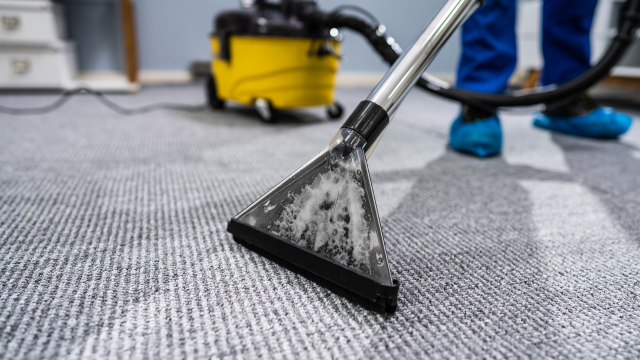

School carpets experience considerable wear throughout the academic year. From busy corridors and classrooms to libraries and staff rooms, carpeted surfaces are exposed to muddy footwear, food crumbs, dust, accidental spillages and constant foot traffic.
Without regular maintenance, dirt can accumulate within carpet fibres, stains may become difficult to remove and flooring can begin to look worn long before the end of its expected service life.
Effective school carpet cleaning helps educational establishments maintain tidy, comfortable and well-managed environments while protecting their investment in flooring.
However, cleaning carpets in schools requires more than using a vacuum cleaner or applying stain remover. Different carpet materials need different methods, and cleaning activities must be organised around pupils, staff and the school timetable.
Professional cleaners must also consider drying time, chemical safety, equipment suitability and the prevention of slips and trips.
For UK schools, carpet care should form part of a wider cleaning programme that reflects public health guidance, workplace safety requirements and the manufacturer’s maintenance instructions.
This guide explains practical school carpet cleaning methods, including vacuuming, stain removal, hot water extraction, low-moisture cleaning and periodic deep cleaning. It also covers equipment, safety procedures, professional services and ways to maintain carpeted areas throughout the school year.
Why School Carpet Cleaning Is Important
Carpets are common in classrooms, libraries, offices and other educational spaces.
They provide a comfortable surface and can contribute to a quieter learning environment. However, carpet fibres can collect dust, debris and other contaminants brought in through everyday activity.
Regular cleaning helps remove these materials before they become deeply embedded.
Supporting a Cleaner Learning Environment
Vacuuming and appropriate stain removal help maintain the cleanliness of carpeted spaces.
The UK Health Security Agency (UKHSA) recognises regular environmental cleaning as part of infection prevention in educational settings.
Protecting Carpet Appearance
Tracked-in dirt can contribute to visible wear and discolouration.
Routine maintenance helps preserve the carpet’s appearance.
Reducing Unpleasant Odours
Food spills, moisture and other contamination may produce persistent smells if not addressed promptly.
Supporting Floor Safety
Loose debris, spills and damaged carpet edges can contribute to workplace hazards.
Regular inspection helps identify problems requiring cleaning or repair.
Effective carpet care also supports wider school hygiene, although it cannot replace handwashing, ventilation or other infection prevention measures.
What Are School Carpet Cleaning Standards?
School carpet cleaning standards are the methods, schedules and quality expectations used to maintain carpeted flooring.
These arrangements should address daily vacuuming, stain treatment, periodic cleaning, equipment selection and workplace safety.
However, there is no single UK-wide statutory rule requiring every school carpet maintenance to be professionally cleaned at an identical interval.
Cleaning requirements depend on the building, type of carpet maintenance, foot traffic and identified risks.
Public Health Guidance
The UKHSA’s guidance for educational settings recommends written cleaning schedules identifying tasks, frequencies and responsibilities.
School Cleaning Specifications
The Department for Education advises schools to distinguish between routine cleaning and periodic activities, including cleaning during holidays or inset days.
Manufacturer Requirements
Commercial carpet manufacturers provide maintenance instructions covering approved products and cleaning methods.
These should be checked before intensive cleaning.
Safety Requirements
carpet maintenance cleaning must also comply with applicable workplace health and safety obligations.
A professional cleaning specification should therefore combine visible cleanliness, appropriate hygiene practices, safe methods and regular quality inspections.
Key School Carpet Cleaning Requirements
Effective carpet maintenance requires suitable equipment, trained employees and clearly defined responsibilities.
Typical requirements include:
- Regular vacuuming according to use and foot traffic.
- Prompt treatment of ordinary spills and stains.
- Appropriate cleaning methods for the carpet material.
- Periodic removal of accumulated dirt.
- Safe handling and storage of cleaning chemicals.
- Control of moisture during wet cleaning.
- Suitable drying arrangements before reopening areas.
- Inspection of carpet condition and potential trip hazards.
- Accurate records of cleaning and outstanding issues.
Some ccarpet maintenance may have special backing materials or protective treatments.
These can limit which cleaning methods are suitable.
Schools should also consider furniture, access arrangements and the potential disruption caused by equipment.
A cleaning task is not complete simply because the carpet looks better.
The floor must also be safe for pupils and employees to use.
School Carpet Cleaning Checklist
A written checklist helps cleaning teams maintain consistent standards.
The following example can be adapted to the school’s flooring and cleaning schedule.
Routine Carpet Cleaning Checklist
- Inspect carpets for visible dirt, stains and damage.
- Remove suitable loose debris and litter.
- Vacuum high-traffic areas thoroughly.
- Vacuum classroom carpet maintenance according to the schedule.
- Check corners, entrances and accessible furniture edges.
- Treat ordinary spills using approved methods.
- Report unknown or potentially hazardous contamination.
- Inspect carpet joins, edges and loose tiles.
- Empty and clean vacuum equipment as instructed.
- Record completed work and unresolved problems.
Periodic Carpet Cleaning Checklist
- Confirm the carpet manufacturer’s maintenance instructions.
- Select an appropriate extraction or low-moisture method.
- Complete the relevant risk and chemical assessments.
- Arrange access restrictions and suitable ventilation.
- Test cleaning products in an inconspicuous area.
- Clean the carpet maintenance without excessive moisture.
- Remove residues and recover water appropriately.
- Confirm that the carpet is thoroughly dry before use.
- Inspect the result and record any remaining defects.
A checklist should support supervision, not replace practical inspection.
How Often Should School Carpets Be Cleaned?
Cleaning frequency depends on the location, carpet maintenance type and level of use.
A school entrance experiences considerably more contamination than a rarely used meeting room.
High-Traffic Areas
Entrances, corridors and busy shared spaces generally need daily vacuuming.
Some areas may require additional attention during particularly wet or muddy weather.
Classrooms
Frequently used classroom carpets typically benefit from daily or otherwise risk-based routine vacuuming.
This is particularly important where younger children regularly sit or play on the floor.
Lower-Traffic Areas
Meeting rooms and less frequently used spaces may need a different schedule, subject to inspection.
Professional Deep Cleaning
Many schools arrange periodic intensive cleaning during holidays or other quieter periods.
However, there is no universal requirement to use hot water extraction every six or twelve months.
The interval should reflectcarpet maintenance condition, manufacturer advice and previous cleaning results.
Responding to Contamination
Spillages and potentially hazardous contamination require timely attention, regardless of the routine schedule.
The most useful approach is to inspectcarpet maintenance regularly and adjust cleaning frequency to their actual condition.
Daily and Routine Carpet Maintenance
Routine carpet maintenance is the foundation of a successful school cleaning programme.
It reduces the amount of dirt that accumulates between more intensive cleaning sessions.
Remove Loose Debris
Collect paper, food packaging and other suitable loose materials before vacuuming.
Sharp or potentially hazardous items should be handled through the school’s approved procedures.
Vacuum Consistently
Use a vacuum cleaner suitable for the carpet type.
Concentrate on regularly used areas and places where debris accumulates.
Address Ordinary Spillages
Fresh spills are often easier to remove than established stains.
Staff should respond promptly without using unsuitable products.
Inspect Flooring
Cleaning staff should identify loose carpet maintenance edges, damaged tiles and uneven surfaces.
These should be reported for appropriate repair.
Maintain Equipment
Filters, brushes and collection containers need regular attention.
Poorly maintained vacuum cleaners may perform less effectively.
Routine cleaning should be simple enough to complete consistently while remaining appropriate to the school’s needs.
Preparing School Carpets for Cleaning
Preparation helps improve cleaning results and reduce unnecessary risks.
Before beginning, cleaning staff should inspect the carpet maintenance and identify the work required.
Identify the Carpet Material
Schools may use carpet tiles, broadloom carpet maintenance or other textile floor coverings.
Check the manufacturer’s recommendations for the particular product.
Assess the Condition
Look for stains, worn areas, damaged backing, loose sections and existing moisture problems.
Organise Furniture
Move suitable lightweight furniture where necessary.
Heavy furniture should only be moved using appropriate manual handling methods and equipment.
Protect the Area
Cleaning should ideally take place when pupils are not using the room.
Wet cleaning may require temporary closure.
Prepare Equipment
Check vacuum cleaners, extractors, hoses and electrical connections.
Test Cleaning Products
A small inconspicuous test can help identify colour transfer or material incompatibility.
Schools should also ensure that suitable drying arrangements are available before beginning any wet-cleaning activity.
Vacuuming School Carpets Effectively
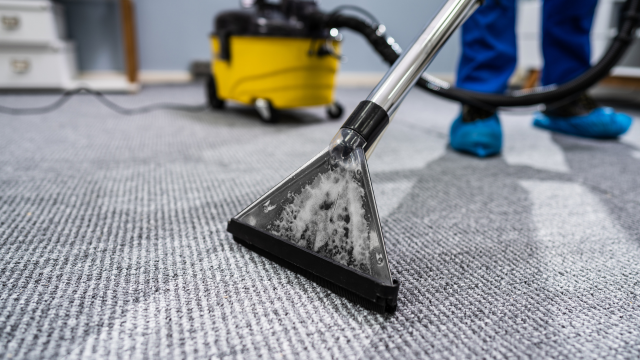
Vacuuming removes loose dirt and debris before these materials become more deeply embedded.
It is one of the most important everyday carpet maintenance care activities.
Choose Suitable Equipment
Commercial vacuum cleaners should be appropriate for the carpet maintenance pile and flooring manufacturer’s recommendations.
Some carpets benefit from rotating brush systems, while delicate or specialist materials may require different settings.
Use Slow, Controlled Movements
Moving too quickly can reduce the time available for the vacuum to collect dirt.
Use overlapping passes for consistent coverage.
Focus on Traffic Routes
Entrances, classroom doorways and corridors may require additional passes.
Clean Accessible Edges
Use suitable attachments for corners and furniture edges.
Maintain Filters
Filters and collection bags should be maintained according to the manufacturer’s instructions.
Where dust control is important, suitable filtration can help prevent unnecessary redistribution of particles.
Tarkett’s commercial carpet maintenance guidance recommends intensive daily vacuuming for entrances and busy circulation areas.
Vacuuming should be completed systematically rather than judged only by whether obvious debris has disappeared.
Spot and Stain Removal
Schools experience many everyday spillages, including drinks, food, mud and art materials.
Prompt and appropriate treatment can prevent some stains from becoming permanent.
Identify the Substance
Different stains require different cleaning methods.
A water-based drink may respond differently from paint, chewing gum or oily contamination.
Remove Excess Material
For suitable ordinary spills, use a clean absorbent cloth to collect excess liquid.
Solid residues may need careful removal with a suitable blunt tool.
Blot Rather Than Scrub
Aggressive rubbing can spread a stain or damage carpet fibres.
Work from the outside towards the centre.
Use Compatible Products
Apply an approved spot-cleaning product only when necessary.
Follow the instructions for concentration, application and removal.
Check for Residue
Remaining detergent can encourage further soiling.
Suitable rinsing or extraction may be needed.
Know When to Escalate
Unknown chemicals, blood, vomit or other potentially hazardous contamination should not be treated as ordinary stains.
They require the school’s approved response procedure.
Effective stain removal protects carpet appearance without compromising safety.
Professional Carpet Extraction Cleaning
Hot water extraction is a common professional method for removing accumulated dirt from compatible carpets.
It uses a machine to apply cleaning solution or water and recover the liquid together with loosened soil.
The method is often incorrectly described simply as steam cleaning.
However, hot water extraction does not necessarily produce steam and should not be assumed to sterilise the carpet maintenance
Preparing the Carpet
Thorough vacuuming removes loose debris before wet cleaning begins.
Suitable stains may be pre-treated.
Applying the Cleaning Solution
Use an approved product at the manufacturer’s recommended concentration.
The water temperature must also be compatible with the carpet maintenance material.
Extracting Contamination
The machine applies moisture and uses vacuum suction to recover it.
Slow, controlled passes help achieve consistent results.
Removing Excess Moisture
Additional extraction-only passes may reduce the amount of water remaining.
Drying the Carpet
Air movement and suitable ventilation help drying.
Pupils and employees should not return until the carpet is sufficiently dry and safe.
Extraction can be highly effective, but incorrect equipment or excessive water may damage carpet backing, adhesives or underlying materials.
Low-Moisture Carpet Cleaning Methods
Low-moisture cleaning methods use less water than conventional wet extraction.
They can be useful where drying time and disruption are important considerations.
However, the method must be compatible with the carpet.
Encapsulation Cleaning
Encapsulation involves applying a specialist cleaning solution and using suitable equipment to loosen and capture soil.
As the solution dries, residues containing soil can be removed through subsequent vacuuming.
Dry Compound Cleaning
This method uses a specially formulated compound that is worked into the carpet maintenance and then recovered.
It can reduce the amount of moisture introduced.
Benefits of Low-Moisture Methods
Potential advantages include shorter drying periods, reduced water use and less disruption.
Limitations
Low-moisture cleaning may not remove every type of deeply embedded contamination.
Some carpet manufacturers restrict particular methods.
For example, Interface’s maintenance guidance identifies limitations for dry extraction on certain carpet maintenance products.
Choosing the Right Approach
A low-moisture method may be suitable for interim maintenance, while periodic extraction may still be necessary.
The best method depends on the carpet, contamination and manufacturer’s instructions.
Deep Carpet Cleaning Procedures
Deep carpet cleaning aims to remove accumulated soil that routine vacuuming cannot adequately address.
It normally requires more preparation and specialist equipment than everyday maintenance.
Inspect the Carpet
Identify heavily soiled areas, stains and any signs of damage.
Select the Method
Choose extraction or another manufacturer-approved approach.
Pre-Vacuum Thoroughly
Removing dry soil before wet cleaning helps prevent unnecessary spreading of dirt.
Treat Suitable Stains
Use compatible products and avoid aggressive scrubbing.
Clean in Sections
Work systematically to achieve even coverage and maintain control of access.
Recover Moisture and Residues
Avoid leaving excessive water or cleaning chemicals within the fibres.
Inspect and Dry
The cleaned area should be checked for remaining stains, excessive moisture or damage.
Deep cleaning is often practical during school holidays, but the timing should reflect the premises and operational requirements.
It should complement, rather than replace, regular vacuuming and stain treatment.
Drying School Carpets Safely
Drying is a critical part of professional carpet cleaning.
A carpet may appear clean while moisture remains within its pile, backing or underlying materials.
Returning pupils too early can create hygiene and flooring problems.
Factors Affecting Drying
Drying time depends on the cleaning method, carpet construction, moisture applied, ventilation, humidity and temperature.
Low-Moisture Cleaning
Some low-moisture methods may allow areas to return to use relatively quickly.
However, actual drying must still be confirmed.
Hot Water Extraction
Extraction-cleaned carpet maintenance may require several hours or longer.
Heavy moisture, poor ventilation or absorbent underlays can extend drying considerably.
Improving Air Movement
Suitable ventilation and properly positioned air movers may help.
Equipment should be used safely and should not obstruct exits.
Preventing Premature Access
Restrict access to wet carpeted areas and adjacent slippery hard flooring.
The HSE explains that cleaning can create slip and trip hazards.
There is no universally reliable two-hour, four-hour or overnight drying guarantee.
The carpet should only be reopened after the responsible person confirms it is thoroughly dry and safe.
Removing Odours from School Carpets
Unpleasant carpet maintenance odours can result from food spillages, dampness, contamination or inadequate cleaning.
The first step is identifying the cause.
Food and Drink Spills
Residues may remain within carpet maintenance fibres and produce unpleasant smells.
Appropriate cleaning can help remove them.
Dampness
Persistent moisture may cause musty odours.
This can indicate poor drying, leaks or water penetration beneath the carpet.
Bodily Fluid Contamination
Vomit, urine and other bodily fluids require appropriate infection prevention procedures.
Ordinary deodorising products are not a substitute for safe decontamination.
Avoid Excessive Fragrance
Strongly scented products may cause discomfort for some pupils and employees.
Masking a smell does not remove its source.
Investigate Persistent Problems
Where odours remain after suitable cleaning, inspect the carpet backing and underlying floor.
A damaged or extensively contaminated carpet section may need replacement.
Effective odour control focuses on removing contamination and addressing moisture rather than simply applying fragrance.
Cleaning High-Traffic Carpet Areas
High-traffic carpets experience greater exposure to soil and physical wear.
Common areas include entrances, corridors, stairways and shared learning spaces.
Increase Vacuuming Frequency
Busy routes may need daily or additional vacuuming.
Maintain Entrance Matting
Suitable mats can help capture dirt and moisture before they reach interior carpet maintenance.
Treat Stains Promptly
High-use areas can become permanently marked if spillages are left untreated.
Schedule Interim Cleaning
Low-moisture methods may help maintain appearance between more intensive cleaning sessions.
Monitor Wear
Some carpet tiles experience uneven wear because people repeatedly follow the same routes.
Worn or damaged areas should be reported.
Plan Cleaning Around Use
Corridors need to remain accessible during school activities and emergency evacuation.
Cleaning teams should choose appropriate times and control access when necessary.
High-traffic carpet care is most effective when prevention, routine cleaning and periodic maintenance work together.
School Carpet Cleaning Equipment and Products
Different cleaning tasks require different equipment.
Schools should select tools based on the carpet maintenance material, area size and cleaning method.
Commercial Vacuum Cleaners
These are used for regular removal of dry soil and debris.
Portable Spot Extractors
Smaller extraction machines can help treat compatible localised stains and spills.
Hot Water Extraction Machines
Professional extractors apply and recover water or cleaning solution.
They are commonly used for periodic intensive cleaning.
Low-Moisture Machines
Encapsulation and compound-cleaning equipment may support interim maintenance.
Air Movers
Suitable air-moving equipment can assist drying.
Spot-Cleaning Materials
Clean cloths, suitable brushes and approved stain removers are useful for routine care.
Protective Equipment
Gloves, eye protection and other PPE may be required according to the task and risk assessment.
Equipment should be inspected, maintained and used by appropriately trained personnel.
Expensive machinery is not automatically the best choice for every carpet.
Safe Carpet Cleaning Chemicals

Cleaning products must be suitable for the carpet and safe for their intended use.
COSHH Requirements
In Great Britain, the Control of Substances Hazardous to Health Regulations 2002 require employers to assess and control relevant exposure to hazardous substances.
Northern Ireland has corresponding requirements.
Select Compatible Products
Use products approved for the carpet material and cleaning method.
The wrong chemical may affect dyes, backing or protective treatments.
Follow Dilution Instructions
Over-concentrated products can leave residues and increase exposure risks.
Check Safety Information
Product labels and safety data sheets help identify hazards and suitable precautions.
Never Mix Chemicals
Mixing cleaning chemicals can produce dangerous reactions.
Store Products Securely
Cleaning chemicals should be kept in appropriately labelled containers away from pupils.
Manage Wastewater
Recovered cleaning solutions should be disposed of through approved arrangements.
They should not be poured into surface water drains.
The HSE advises employers to minimise chemical exposure and use appropriate training and protective measures.
Product safety depends on correct selection and use, not simply whether a product is described as environmentally friendly or non-toxic.
Preventing Dirt and Stains in School Carpets
Preventative maintenance reduces the amount of cleaning needed and helps protect flooring.
Install Suitable Entrance Matting
Well-maintained entrance mats can reduce the dirt and moisture carried indoors.
Encourage Appropriate Use
Schools may establish sensible rules for food, drinks and messy activities in carpeted areas.
Respond to Spillages
Ordinary spills should be addressed promptly using appropriate methods.
Maintain Regular Vacuuming
Removing dry soil reduces the risk of accumulation.
Protect Carpeted Areas
Furniture movement and heavy equipment can damage carpet maintenance.
Use suitable protection where necessary.
Inspect for Damage
Loose carpet tiles and damaged edges should be reported before they become more serious hazards.
Review Problem Areas
Repeated staining may indicate that a room’s activities or flooring choice needs reconsideration.
For example, a particularly messy activity area may benefit from a more easily cleaned surface.
Prevention is often less disruptive than repeated intensive cleaning.
School Carpet Cleaning Health and Safety
School carpet maintenance cleaning must be planned to protect cleaners, pupils, teachers and visitors.
Risk Assessments
Consider chemicals, electrical equipment, manual handling, access restrictions and wet surfaces.
Slips and Trips
Trailing cables, hoses and wet flooring can create hazards.
The HSE recommends controlling pedestrian access and scheduling cleaning appropriately.
Electrical Safety
Equipment must be inspected and used according to its instructions.
Keep electrical connections away from wet areas and use appropriate protection.
Manual Handling
Heavy extraction machines and furniture may require handling aids or assistance.
Personal Protective Equipment
PPE should reflect the chemicals and cleaning tasks involved.
Infection Prevention
Unknown contamination or bodily fluids should be managed through approved procedures.
UKHSA recommends appropriate PPE and disposable materials for bodily fluid spillages.
Safeguarding
Cleaning staff working in schools must follow the establishment’s safeguarding and site access procedures.
Appropriate background checks depend on their duties and legal eligibility requirements.
Safe cleaning requires trained workers, suitable equipment and clear communication with school management.
Professional School Carpet Cleaning Services
Schools may use internal cleaning teams or external contractors for intensive carpet maintenance care.
Specialist services can be useful when large areas, unusual stains or particular flooring materials require additional expertise.
Assess the Contractor’s Experience
The contractor should understand commercial carpets and the practical requirements of educational premises.
Check Cleaning Methods
Ask which processes will be used and whether they are compatible with the carpet.
Request Suitable Risk Assessments
Cleaning plans should address chemicals, equipment, access and drying.
Confirm Drying Arrangements
The contractor should explain how moisture will be controlled and how the school will know when areas are ready for use.
Discuss Safeguarding and Access
Contractors should follow the school’s approved access and safeguarding procedures.
Review Insurance and Responsibilities
Written agreements should clarify responsibilities for accidental damage, equipment and waste disposal.
Specify Quality Standards
The Department for Education recommends clear cleaning specifications and monitoring arrangements when procuring services.
A professional cleaning contract should identify what will be cleaned, the expected results and how issues will be resolved.
School Cleaner Training and Best Practices
School cleaners need practical competence in selecting equipment, treating stains and working safely around pupils.
Carpet Identification
Employees should understand why different carpet materials require different cleaning methods.
Equipment Operation
Training should include correct machine setup, use, maintenance and cleaning.
Stain Treatment
Staff should learn to identify ordinary stains and recognise contamination requiring specialist attention.
Chemical Safety
Relevant COSHH assessments and product instructions must be understood.
Drying and Access Control
Employees should know how to manage wet areas and confirm safe reopening.
Professional Development with Skills Pack
Skills Pack offers online programmes related to cleaning and workplace safety.
Its Level 5 Certificate in Cleaning introduces professional cleaning as a subject, including hygiene, equipment and safety considerations.
However, its published course page does not establish a detailed verified curriculum or the regulated status of the stated Level 5 qualification.
The Level 1, 2, 3 Health and Safety in the Workplace programme includes topics such as PPE, chemical hazards, equipment safety and accident reporting.
These courses may support general understanding.
However, online learning does not replace practical equipment training, school-specific procedures or specialist carpet-cleaning competence.
How to Maintain Clean School Carpets
Long-term carpet maintenance requires consistency rather than occasional intensive cleaning.
Establish a Written Schedule
Specify which carpeted areas require daily, weekly and periodic attention.
Assign Responsibilities
Cleaning staff should understand their designated areas and reporting arrangements.
Provide Suitable Equipment
Employees need effective vacuum cleaners, appropriate products and adequate time.
Inspect Results
Supervisors should assess visible cleanliness, stains, carpet condition and potential hazards.
Maintain Cleaning Records
Records help identify recurring problems and determine when intensive cleaning is needed.
Respond to Damage
Repairs or replacement may be necessary where carpets are worn, damaged or persistently contaminated.
Review the Programme
Foot traffic, room use and seasonal weather can change cleaning requirements.
Effective educational facility cleaning depends on cooperation between school management, caretakers, cleaners and specialist contractors.
Key Takeaways
Professional school carpet cleaning combines preventative maintenance, suitable techniques and effective workplace safety procedures.
The main principles are:
- Vacuum regularly, particularly in classrooms and high-traffic areas.
- Treat ordinary spills promptly using approved methods.
- Follow the carpet manufacturer’s cleaning instructions.
- Choose extraction or low-moisture cleaning according to the material and level of contamination.
- Avoid excessive moisture and chemical residue.
- Confirm carpets are thoroughly dry before allowing pupils to return.
- Use suitable equipment and trained employees.
- Follow COSHH, infection prevention and workplace safety requirements.
- Schedule periodic deep cleaning according to carpet condition and school activities.
- Monitor cleaning quality and report damaged flooring.
A consistent maintenance programme helps preserve carpet appearance, support cleanliness and reduce avoidable disruption.
Frequently Asked Questions (FAQ)
How often should school carpets be professionally cleaned?
Professional cleaning frequency depends on foot traffic, carpet type and the level of contamination.
Many schools arrange periodic intensive cleaning during holidays or other quiet periods.
Busy corridors may need more frequent treatment than low-use rooms.
There is no single UK statutory rule requiring every school carpet to be professionally cleaned at a fixed interval.
Manufacturer recommendations and regular inspections should guide the schedule.
What is the best method for cleaning school carpets?
The best method depends on the carpet material and cleaning requirements.
Hot water extraction can remove accumulated dirt from suitable carpets.
Low-moisture methods may be useful for interim maintenance and shorter drying periods.
Routine vacuuming remains essential regardless of the chosen deep-cleaning method.
Always follow manufacturer instructions and use appropriately trained personnel.
How should stains be removed from school carpets?
Identify the substance before applying a cleaning product.
For suitable ordinary spills, remove excess material and blot gently from the outside towards the centre.
Use an approved stain remover if required.
Avoid aggressive scrubbing and excessive water.
Unknown substances or bodily fluid contamination should be handled through the school’s specialist spill-response procedures.
How long do school carpets take to dry after cleaning?
Drying time depends on the method, carpet construction, moisture applied and ventilation.
Some low-moisture methods dry relatively quickly.
Hot water extraction may require several hours or longer, particularly where airflow is poor or moisture reaches the backing.
There is no universally reliable fixed drying time.
Areas should only reopen when the carpet is thoroughly dry and safe.
What cleaning products are safe for school carpets?
Suitable products are those compatible with the carpet material and intended cleaning method.
Choose products based on manufacturer instructions and the school’s chemical risk assessment.
Avoid excessive concentrations, unnecessary fragrances and incompatible chemical mixtures.
Products should be stored securely away from pupils.
Cleaning staff must follow relevant COSHH requirements.
Can school carpets be deep cleaned?
Yes. Many commercial school carpets can be deep cleaned using suitable extraction or other manufacturer-approved methods.
However, not every carpet is suitable for intensive wet cleaning.
Some materials and backing systems require particular precautions.
Professional cleaners should inspect the carpet, select an appropriate method and ensure adequate drying before the area returns to use.
How can schools prevent carpet stains?
Schools can reduce staining through effective entrance matting, regular vacuuming and prompt spill treatment.
Appropriate rules for food, drinks and messy activities can also help.
Cleaning staff should inspect high-use areas frequently.
Preventative maintenance can reduce the need for more disruptive cleaning.
What equipment is used for professional carpet cleaning?
Professional carpet-cleaning equipment may include commercial vacuum cleaners, portable spot extractors and hot water extraction machines.
Low-moisture cleaning machines and air movers may also be used.
The correct equipment depends on carpet construction, contamination and the selected method.
Operators should receive appropriate practical instruction.
Why is carpet cleaning important in schools?
Carpet cleaning helps remove accumulated dirt, maintain flooring appearance and support a cleaner educational environment.
Regular maintenance may also help identify spills, damage and other hazards.
Effective cleaning supports wider school hygiene and premises management.
However, carpets must be cleaned safely and kept out of use until dry after wet-cleaning activities.

Conclusion
Effective school carpet cleaning helps educational establishments maintain clean, comfortable and professionally managed facilities.
Carpets are exposed to everyday dirt, frequent foot traffic and accidental spillages, making regular attention essential.
A suitable cleaning programme should combine thorough vacuuming, prompt stain removal and periodic intensive cleaning.
However, the choice between hot water extraction and low-moisture methods depends on the carpet’s construction, condition and manufacturer’s recommendations.
For schools, maintaining effective carpet maintenance arrangements also means controlling chemical hazards, preventing slips and ensuring that cleaned surfaces are thoroughly dry before pupils return.
Practical staff training, appropriate equipment and clear schedules help maintain consistent results.
Professional services may be useful for large-scale deep cleaning or specialist problems, but routine care remains the foundation of long-term carpet performance.
By combining regular classroom carpet cleaning, effective supervision and responsible educational facility cleaning, schools can protect their flooring investment while supporting a cleaner and better-maintained learning environment.
The most effective approach is preventative, consistent and tailored to the actual needs of each school.