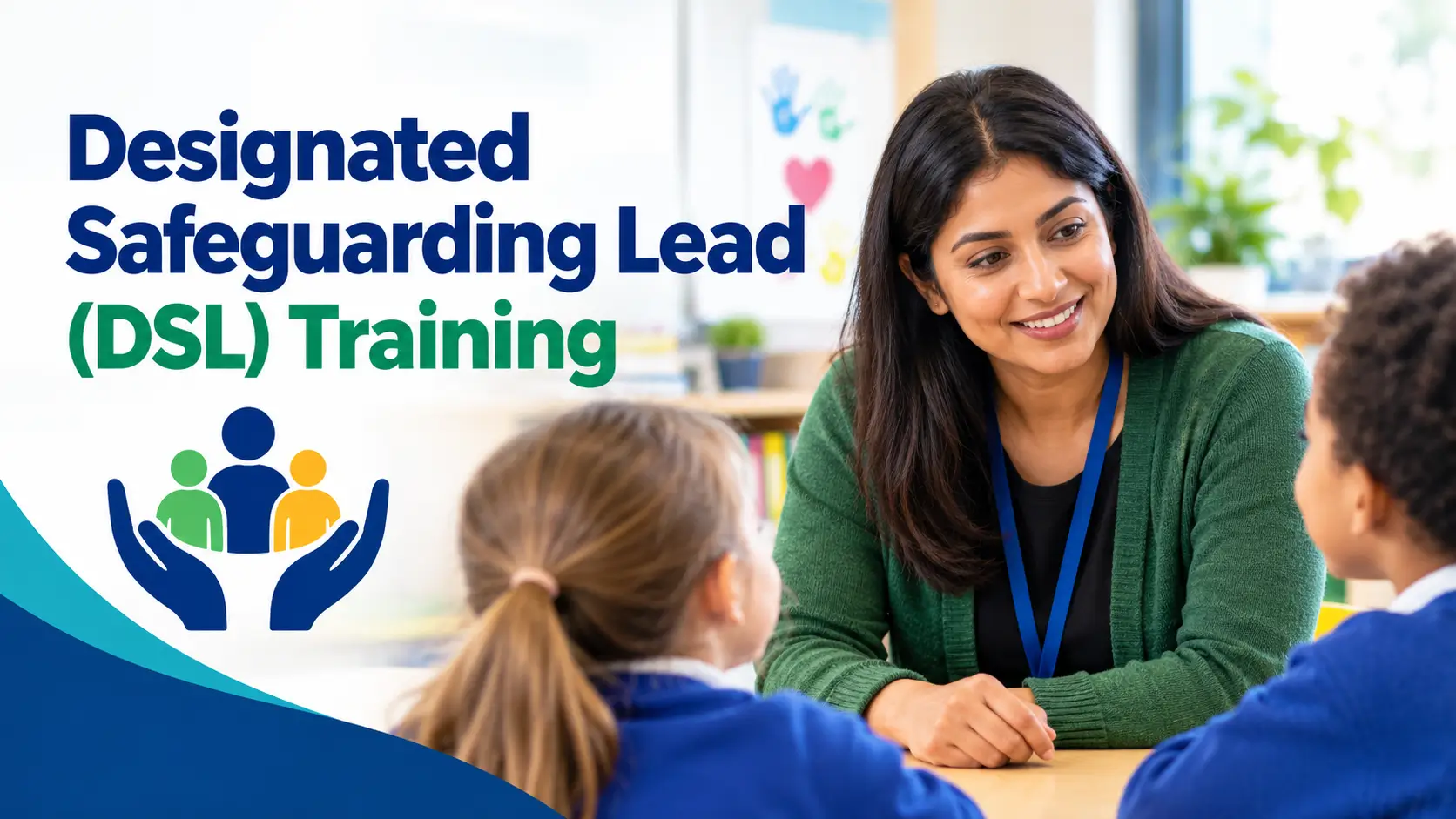
Designated Safeguarding Lead (DSL) Training
Designated Safeguarding Lead (DSL) Training Designated Safeguarding Lead (DSL) Training introduces the principles, responsibilities and procedures involved in...
Official Certification
Recognized by top tech firms
Learn With Confidence



About This Course
Designated Safeguarding Lead (DSL) Training
Designated Safeguarding Lead (DSL) Training introduces the principles, responsibilities and procedures involved in safeguarding children and promoting their welfare. The course explores child abuse, safeguarding legislation, DSL responsibilities, organisational policies and procedures, and recognising signs of abuse. You will also study responding to disclosures, maintaining accurate records, multi-agency working, safer recruitment and child protection procedures. Further topics include confidentiality, online safety, child sexual exploitation, child criminal exploitation, radicalisation, female genital mutilation, forced marriage, honour-based abuse and domestic abuse. This training is suitable for learners seeking to strengthen their safeguarding knowledge and understand the responsibilities associated with designated safeguarding roles.
What You Will Learn:
- The principles of safeguarding and child protection.
- The responsibilities and professional boundaries of a designated safeguarding lead.
- How to recognise concerns, respond to disclosures and maintain records.
- How safeguarding policies, referrals and multi-agency working support child protection.
- How to understand specific safeguarding risks, including exploitation, online harm and domestic abuse.
Course Overview
The Designated Safeguarding Lead (DSL) Training course introduces the knowledge and procedures associated with protecting children from abuse, neglect, exploitation and other forms of harm. It explores the role of the designated safeguarding lead, safeguarding legislation and guidance, organisational policies, recognising signs of abuse and responding appropriately to disclosures.
Learners also examine record keeping, confidentiality, information sharing, multi-agency working, safer recruitment and child protection procedures. The curriculum addresses specific safeguarding concerns, including online risks, child sexual exploitation, child criminal exploitation, radicalisation, female genital mutilation, forced marriage, honour-based abuse and domestic abuse.
This course may be useful for people working in education, childcare and other child-facing settings who want to strengthen their safeguarding knowledge. Online study may offer flexibility, depending on the provider’s arrangements. However, completing a course does not automatically establish that a learner is qualified or authorised to serve as a DSL. Employers may require role-specific training, practical experience and regular refresher training. Check the provider’s current course and recognition details before enrolling.
Course Description
Develop your safeguarding knowledge with Designated Safeguarding Lead (DSL) Training. This course explores the responsibilities associated with safeguarding leadership, child protection procedures, relevant legislation and organisational policies. You will learn about recognising possible signs of abuse, responding to disclosures, documenting concerns and working with appropriate agencies. The curriculum also covers safer recruitment, confidentiality, online safety and serious safeguarding risks, including exploitation, radicalisation and domestic abuse. Designed for learners interested in child protection and safeguarding responsibilities, the course provides a structured introduction to important safeguarding topics. Always follow your organisation’s procedures and current statutory guidance when responding to real safeguarding concerns.
Course Curriculum
Module 1: Introduction to Safeguarding
Explore the purpose of safeguarding and understand how organisations can help protect children from harm while promoting their welfare.
Key learning topics:
- Meaning and principles of safeguarding.
- Promoting children’s welfare and wellbeing.
- Recognising safeguarding responsibilities.
- Creating a culture of safety and respect.
Module 2: Understanding Child Abuse
Develop an understanding of different forms of child abuse, their potential effects and the importance of appropriate safeguarding responses.
Key learning topics:
- Physical, emotional and sexual abuse.
- Neglect and its possible indicators.
- The potential impact of abuse on children.
- The importance of early identification and intervention.
Module 3: Legislation and Guidance
Explore the role of legislation, statutory guidance and organisational requirements in safeguarding children.
Key learning topics:
- The purpose of safeguarding legislation and guidance.
- Legal duties relating to child protection.
- Organisational responsibilities and compliance.
- Keeping safeguarding knowledge current.
Module 4: Roles and Responsibilities of a DSL
Understand the key functions of a designated safeguarding lead and how safeguarding leadership supports effective child protection.
Key learning topics:
- Core responsibilities of a DSL.
- Managing and coordinating safeguarding concerns.
- Supporting staff with safeguarding procedures.
- Working with senior leaders and external agencies.
Module 5: Safeguarding Policies and Procedures
Learn how safeguarding policies and procedures help organisations prevent harm, respond to concerns and establish clear responsibilities.
Key learning topics:
- The purpose of safeguarding policies.
- Reporting and escalation procedures.
- Staff responsibilities and professional boundaries.
- Reviewing and implementing safeguarding arrangements.
Module 6: Recognising Signs of Abuse
Explore possible indicators of abuse, neglect and exploitation, while understanding why concerns should be assessed carefully and objectively.
Key learning topics:
- Possible physical and behavioural indicators.
- Changes in behaviour, attendance or presentation.
- Recognising patterns and cumulative concerns.
- Recording and reporting concerns appropriately.
Module 7: Responding to Disclosure
Understand how to respond when a child shares information about abuse or harm in a sensitive, supportive and appropriate way.
Key learning topics:
- Listening calmly and taking concerns seriously.
- Avoiding leading questions and unnecessary probing.
- Explaining confidentiality limits honestly.
- Recording and reporting disclosures promptly.
Module 8: Record Keeping and Documentation
Learn why accurate, timely and factual records are essential for safeguarding decisions and follow-up action.
Key learning topics:
- Recording facts and distinguishing them from opinions.
- Documenting dates, times and relevant details.
- Maintaining secure and accessible records.
- Following organisational retention and reporting procedures.
Module 9: Multi-Agency Working
Explore how schools, social care, healthcare, police and other relevant services may work together to safeguard children.
Key learning topics:
- The purpose of multi-agency collaboration.
- Roles of relevant safeguarding partners.
- Sharing concerns and coordinating responses.
- Supporting continuity of child protection measures.
Module 10: Safer Recruitment
Understand how safer recruitment practices help organisations reduce safeguarding risks when appointing staff and volunteers.
Key learning topics:
- Safeguarding considerations during recruitment.
- Checking identity, qualifications and employment history.
- Appropriate references and background checks.
- Induction, supervision and ongoing suitability.
Module 11: Child Protection Procedures
Learn about the processes used to respond to concerns that a child may be experiencing, or be at risk of, significant harm.
Key learning topics:
- Identifying and reporting child protection concerns.
- Referral routes and escalation procedures.
- Working with relevant statutory agencies.
- Reviewing actions and following up concerns.
Module 12: Confidentiality and Information Sharing
Explore how to protect sensitive information while sharing relevant details when necessary to safeguard a child.
Key learning topics:
- Principles of confidentiality and privacy.
- Appropriate and lawful information sharing.
- Secure handling of safeguarding records.
- Recording the reasons for information-sharing decisions.
Module 13: E-Safety and Online Risks
Understand online safeguarding risks and explore ways to promote safer digital behaviour among children and young people.
Key learning topics:
- Cyberbullying, online harassment and harmful content.
- Online grooming and digital exploitation.
- Privacy, digital footprints and safe online behaviour.
- Reporting online safeguarding concerns.
Module 14: Child Sexual Exploitation (CSE)
Develop an understanding of child sexual exploitation and the importance of identifying concerns without blaming or stigmatising children.
Key learning topics:
- Understanding child sexual exploitation.
- Possible warning signs and vulnerability factors.
- Grooming, coercion and manipulation.
- Reporting concerns and accessing appropriate support.
Module 15: Child Criminal Exploitation (CCE)
Explore how children may be manipulated or coerced into criminal activity and how safeguarding professionals can respond.
Key learning topics:
- Understanding child criminal exploitation.
- Grooming, coercion and threats.
- Possible indicators, including risks linked to county lines.
- Safeguarding referrals and protective support.
Module 16: Radicalisation and Prevent Duty
Learn about safeguarding concerns relating to radicalisation and the role of the Prevent duty in relevant UK settings.
Key learning topics:
- Understanding radicalisation and vulnerability.
- Recognising possible indicators without stereotyping.
- Reporting concerns through appropriate channels.
- Prevent-related responsibilities and referral processes.
Module 17: Female Genital Mutilation (FGM)
Understand female genital mutilation as a serious form of abuse and explore the importance of appropriate safeguarding responses.
Key learning topics:
- Understanding FGM and its harmful consequences.
- Recognising possible safeguarding indicators.
- Responding sensitively and protecting privacy.
- Reporting concerns and following applicable legal duties.
Module 18: Forced Marriage
Explore forced marriage as a safeguarding concern and understand the importance of protecting individuals from coercion and abuse.
Key learning topics:
- Understanding forced marriage and lack of free consent.
- Recognising possible warning signs.
- Responding safely and sensitively to disclosures.
- Accessing appropriate safeguarding and specialist support.
Module 19: Honour-Based Abuse (HBA)
Develop an understanding of honour-based abuse and the safeguarding measures that may be required to protect affected individuals.
Key learning topics:
- Understanding honour-based abuse.
- Recognising possible indicators and patterns of control.
- Assessing immediate safety concerns appropriately.
- Making safe referrals and protecting confidentiality.
Module 20: Domestic Abuse and Safeguarding
Explore the effects of domestic abuse on children and families and understand how safeguarding professionals can respond to concerns.
Key learning topics:
- Understanding forms of domestic abuse.
- Recognising potential effects on children.
- Responding to disclosures and assessing immediate risks.
- Working with relevant services to support safety and wellbeing.
Who Is This Course For?
Designated Safeguarding Lead (DSL) Training may be suitable for:
- Aspiring designated safeguarding leads: People preparing to explore safeguarding leadership responsibilities.
- Teachers and school staff: Individuals who want to strengthen their understanding of child protection.
- Childcare professionals: People working in nurseries, childcare centres and early years settings.
- Teaching assistants: School support staff seeking additional safeguarding knowledge.
- School managers and senior staff: Individuals involved in safeguarding policies and procedures.
- Youth and community workers: Professionals supporting children and young people.
- Child-facing support staff: People working in organisations where safeguarding is an important responsibility.
- Learners pursuing further training: Individuals interested in child protection and safeguarding development.
Suitability depends on the responsibilities of the intended role. Some designated safeguarding positions require specific experience, role-appropriate training and regular updates.
Requirements
No specific entry requirements are confirmed here. Check the provider’s current enrolment details before registering.
Learners may benefit from:
- An interest in safeguarding children and promoting welfare.
- Basic reading, writing and communication skills.
- Access to a computer, tablet or smartphone if studying online.
- An internet connection for online learning.
- A willingness to handle sensitive subjects responsibly.
- An understanding of confidentiality and professional boundaries.
People appointed as DSLs may need relevant professional experience, organisation-specific training and knowledge of current statutory guidance. Course completion should not be assumed to replace these requirements.
Skills You Can Develop
Through the course material, you may develop knowledge and understanding of:
- Safeguarding principles and child protection.
- The responsibilities of a designated safeguarding lead.
- Recognising potential signs of abuse and neglect.
- Responding appropriately to disclosures.
- Safeguarding policies and reporting procedures.
- Record keeping and documentation.
- Confidentiality and information sharing.
- Multi-agency collaboration.
- Safer recruitment principles.
- Online safeguarding and digital risks.
- Child sexual and criminal exploitation.
- Radicalisation and Prevent-related safeguarding.
- FGM, forced marriage and honour-based abuse.
- Domestic abuse and child protection responses.
These are potential learning outcomes, not a guarantee of professional competence or authorisation to make decisions outside your role.
Learning Outcomes
After studying the course material, learners should be able to:
- Explain the principles of safeguarding and child protection.
- Identify different forms of child abuse and neglect.
- Describe the purpose of relevant safeguarding legislation and guidance.
- Explain the responsibilities associated with a designated safeguarding lead.
- Describe how safeguarding policies and procedures support child protection.
- Recognise possible indicators of abuse and understand appropriate reporting routes.
- Explain how to respond sensitively to a child’s disclosure.
- Describe the importance of accurate records and secure information handling.
- Explain the value of multi-agency working and safer recruitment.
- Identify key safeguarding risks, including online harm, exploitation, radicalisation and domestic abuse.
Career Paths
This course may support further learning and career exploration in safeguarding-related fields. Depending on your experience, qualifications, employer requirements and local regulations, possible areas of interest include:
- Designated safeguarding lead roles.
- Deputy designated safeguarding lead roles.
- School safeguarding support.
- Child protection support services.
- Education and childcare roles.
- Pastoral support roles.
- Youth and family support services.
- Safeguarding administration and coordination.
- Further professional development in child protection.
Designated Safeguarding Lead Jobs
Designated safeguarding lead jobs are commonly associated with schools and other organisations that work with children. Responsibilities may include coordinating safeguarding concerns, supporting staff, maintaining records, liaising with relevant agencies and helping ensure that organisational procedures are followed.
Employers may require substantial experience working with children, relevant professional qualifications and recognised DSL training. Requirements differ by setting, so review individual vacancies carefully.
What Is a DSL?
DSL stands for Designated Safeguarding Lead. It is the person appointed within an organisation to take lead responsibility for coordinating safeguarding arrangements for children. In schools and other relevant settings, the DSL helps ensure concerns are recorded, reported and followed up in line with applicable guidance and organisational procedures.
The DSL’s role does not replace the safeguarding responsibilities of other staff or the work of statutory agencies.
Designated Safeguarding Lead Training Online
Online designated safeguarding lead training can offer a flexible way to learn about safeguarding responsibilities and procedures. However, the suitability of an online course depends on its content, recognition, relevance to the learner’s role and any employer or regulatory requirements. Check whether refresher training or additional practical guidance is needed.
Important: Completing this course does not automatically qualify someone for every DSL position or guarantee employment. Confirm the course’s recognition and your intended employer’s requirements before relying on it for professional progression.
Frequently Asked Questions
1. What is Designated Safeguarding Lead (DSL) Training?
It is training that introduces safeguarding leadership responsibilities, child protection procedures, abuse recognition, information sharing and other important safeguarding topics.
2. What is a DSL?
A DSL, or Designated Safeguarding Lead, is the person appointed within an organisation to coordinate and oversee key safeguarding arrangements for children. Their duties depend on the setting and applicable guidance.
3. What does a designated safeguarding lead do?
A designated safeguarding lead helps coordinate safeguarding concerns, supports staff, maintains or oversees appropriate records, liaises with relevant agencies and ensures concerns are handled through the correct procedures.
4. Can I complete designated safeguarding lead training online?
The course may be available online. Check the provider’s current course page for confirmation of the delivery format, learning materials, assessment arrangements and certificate details.
5. Who should consider DSL training?
It may be useful for teachers, childcare professionals, school leaders, teaching assistants and other people who work with children or want to understand safeguarding leadership. Whether it is suitable for appointment as a DSL depends on role-specific requirements.
6. What subjects are covered in DSL training?
This curriculum covers safeguarding principles, child abuse, legislation, DSL responsibilities, policies, disclosures, record keeping, multi-agency working, safer recruitment, online risks, exploitation and other safeguarding concerns.
7. What should a DSL do when a child discloses abuse?
The DSL or staff member should listen calmly, take the concern seriously, avoid leading questions, explain that information may need to be shared to keep the child safe, record the disclosure accurately and follow the relevant reporting and referral procedures. Immediate danger requires urgent action through the appropriate emergency or safeguarding channels.
8. Why is record keeping important in safeguarding?
Accurate records help organisations understand concerns, identify patterns, document decisions and communicate relevant information to authorised professionals. Records should be factual, timely and stored securely.
9. What is multi-agency working in safeguarding?
Multi-agency working involves relevant organisations, such as schools, social care, healthcare and police, coordinating their efforts to assess risks and protect children.
10. Does DSL training cover online safeguarding?
Yes. The curriculum includes e-safety and online risks, including online grooming, cyberbullying, harmful content and safe digital behaviour.
11. Does the course cover Prevent duty and radicalisation?
Yes. One module introduces radicalisation and the Prevent duty, including recognising possible concerns and following appropriate reporting procedures.
12. What qualifications do I need for designated safeguarding lead jobs?
Requirements vary by organisation and setting. Employers may expect relevant professional experience, role-specific safeguarding training and knowledge of current statutory guidance. Check the job description and any applicable requirements before applying.
13. Is this course enough to become a designated safeguarding lead?
Not necessarily. Course completion alone does not establish that you meet every requirement for appointment. Employers may require relevant experience, recognised training and other professional qualifications.
14. Will I receive a certificate after completing the course?
Certificate availability and the conditions for receiving one depend on the provider’s current arrangements. Confirm these details with the provider before enrolling.
15. How often should designated safeguarding lead training be refreshed?
Refresher expectations depend on the organisation, role, applicable guidance and changes in safeguarding practice. DSLs should follow their employer’s training policy and keep their knowledge current.
Course Content
Module 1_ Introduction to Safeguarding
-
Introduction to Safeguarding
00:00
Module 2_ Understanding Child Abuse
Module 3_ Legislation and Guidance
Module 4_ Roles and Responsibilities of a DSL
Module 5_ Safeguarding Policies and Procedures
Module 6_ Recognising Signs of Abuse
Module 7_ Responding to Disclosure
Module 8_ Record Keeping and Documentation
Module 9_ Multi-Agency Working
Module 10_ Safer Recruitment
Module 11_ Child Protection Procedures
Module 12_ Confidentiality and Information Sharing
Module 13_ E-Safety and Online Risks
Module 14_ Child Sexual Exploitation (CSE)
Module 15_ Child Criminal Exploitation (CCE)
Module 16_ Radicalisation and Prevent Duty
Module 17_ Female Genital Mutilation (FGM)
Module 18_ Forced Marriage
Module 19_ Honour-Based Abuse (HBA)
Module 20_ Domestic Abuse and Safeguarding
Frequently Asked Questions
There are many things that you might want to know. Well we have the answers.
