Food Hygiene and Safety Level 3
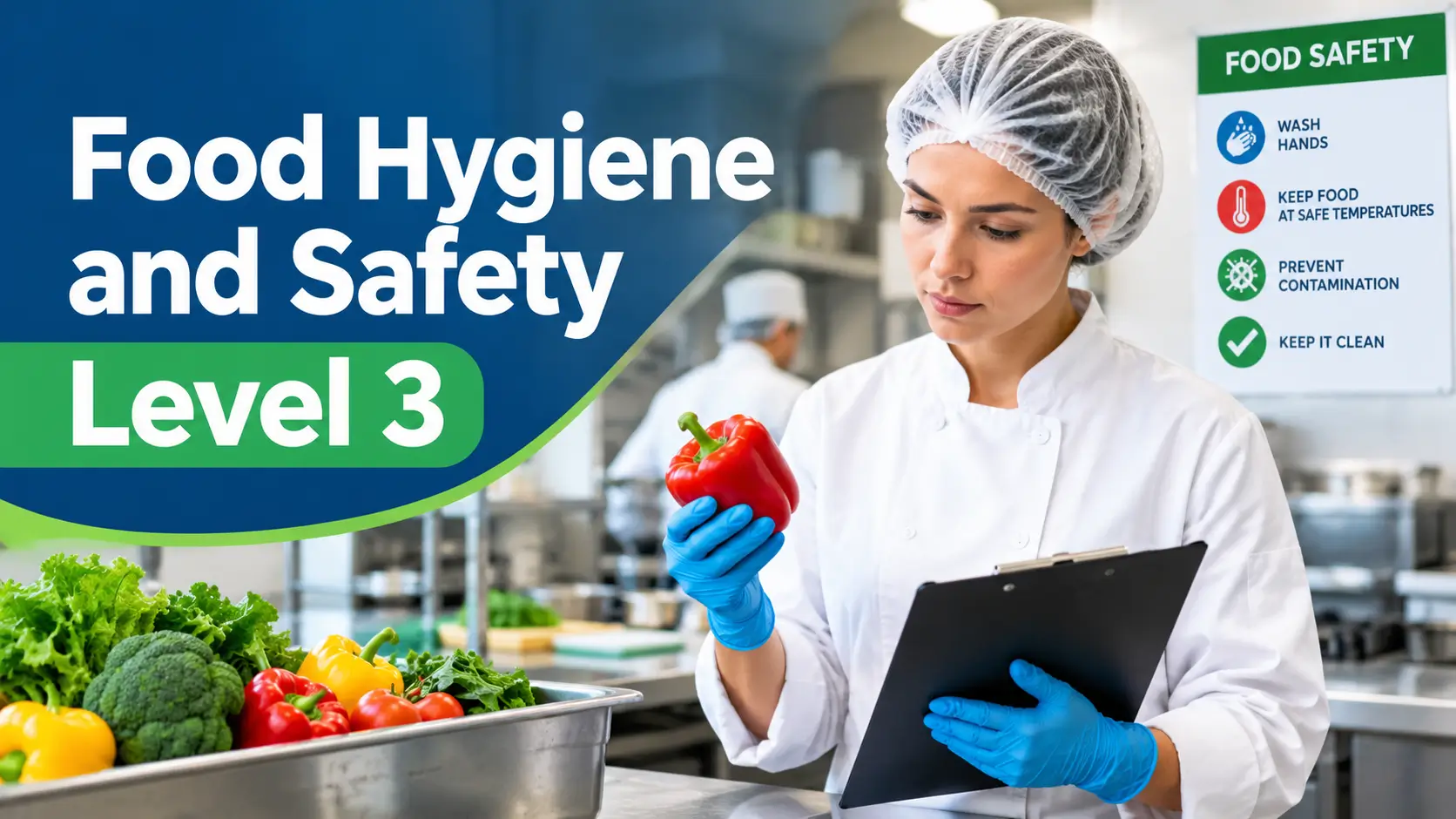
Food Hygiene and Safety Level 3 The Food Hygiene and Safety Level 3 course is designed for learners...
Official Certification
Recognized by top tech firms
Learn With Confidence




About This Course
Food Hygiene and Safety Level 3
The Food Hygiene and Safety Level 3 course is designed for learners who want to develop their understanding of food hygiene, food safety management and contamination prevention. It explores food safety hazards, chemical contaminants, preservation methods, HACCP principles and food safety management systems. Learners also examine personal hygiene, foodservice operations, safe food processes and challenges across global supply chains. Whether you are researching a food hygiene level 3 online course, working in hospitality or looking to strengthen your food safety knowledge, this programme provides a foundation for understanding responsible food handling and maintaining appropriate hygiene practices in food-related environments.
What You Will Learn
- The fundamental principles of food safety and food hygiene.
- The origins and nature of food safety risks.
- Food safety technologies and preservation of fruits and vegetables.
- Chemical contaminants and methods of managing food-related hazards.
- Food safety management systems and HACCP principles.
- Sustainability and food safety challenges in global supply chains.
- How to recognise hazards and design safer food products and processes.
- How to maintain and improve food safety programmes.
- Food safety practices in foodservice operations.
- The importance of personal hygiene when handling food.
Course Overview
Food Hygiene and Safety Level 3 provides a structured introduction to food safety principles, hygiene practices and management approaches relevant to food-related environments. The course contains 16 modules covering food safety fundamentals, food hygiene, contamination risks, food technologies, preservation, chemical contaminants and food safety management systems. Learners also explore Hazard Analysis and Critical Control Point (HACCP) principles, sustainability, global supply chain challenges and the design of safer food products and processes.
Further topics include recognising food safety hazards, maintaining food safety programmes, foodservice operations and personal hygiene. This broad syllabus may be relevant to individuals working in hospitality, catering, food preparation or other food-related roles. Learners comparing a food hygiene level 3 online course can use the module list to assess subject coverage, while checking the provider’s details for assessment and qualification recognition. Food safety requirements vary by role and location, so additional training or recognised qualifications may be necessary for particular responsibilities.
Course Description
The Food Hygiene and Safety Level 3 course explores essential concepts for maintaining food hygiene and reducing food safety risks. It covers contamination hazards, chemical contaminants, food preservation, HACCP, food safety management systems and safe food processes. Learners also examine sustainability, global supply chains, foodservice operations and personal hygiene. The programme may be useful for people interested in hospitality, catering, food production or food safety responsibilities. Its 16 modules provide a broad overview of the subject, from introductory principles to food safety programme improvement. Check the provider’s current information for details about qualification status, assessment, recognition and suitability for specific jobs.
Course Curriculum
Module 01: Food Safety — An Introduction
This module introduces the purpose of food safety and its importance in protecting consumers. Learners explore the consequences of unsafe food practices and the responsibilities involved in maintaining safe food.
Key learning topics:
- Understanding food safety and its importance to public health.
- Recognising the consequences of unsafe food handling.
- Exploring the responsibilities of food businesses and food handlers.
- Understanding the relationship between food safety, hygiene and consumer confidence.
Module 02: Introduction to Food Hygiene
This module explores the basic principles of food hygiene and the practices used to reduce contamination. Learners examine cleanliness, safe handling and the importance of maintaining hygienic food environments.
Key learning topics:
- Understanding food hygiene principles and their purpose.
- Recognising common sources of food contamination.
- Exploring cleaning, sanitising and hygienic food handling practices.
- Understanding the importance of personal hygiene and clean work areas.
Module 03: Origin and Nature of Food Risk
This module examines how food safety risks arise and how they may affect consumers. Learners explore biological, chemical and physical hazards and the conditions that can contribute to unsafe food.
Key learning topics:
- Identifying biological, chemical and physical food hazards.
- Understanding how contamination can occur during production, storage and preparation.
- Exploring factors that influence the growth of harmful microorganisms.
- Recognising the importance of assessing and controlling food safety risks.
Module 04: Technologies and Food Safety
This module explores the relationship between food technologies and food safety. Learners consider how processing, storage and monitoring technologies can support food quality and help control risks.
Key learning topics:
- Understanding the role of technology in food safety.
- Exploring processing and preservation approaches used in food production.
- Recognising the importance of temperature monitoring and storage controls.
- Understanding how suitable technologies can support quality and traceability.
Module 05: Preservation of Fruits and Vegetables
This module introduces methods used to preserve fruits and vegetables while maintaining suitable quality and safety. Learners explore the importance of storage conditions, processing methods and hygiene during handling.
Key learning topics:
- Understanding why fruits and vegetables require appropriate preservation.
- Exploring common preservation methods, including refrigeration, drying and heat treatment.
- Recognising the importance of preventing contamination during processing and storage.
- Understanding how temperature, moisture and storage conditions affect product quality.
Module 06: Management of Chemical Contaminants for Food Safety
This module focuses on chemical contaminants that may enter food through ingredients, processing, storage or the surrounding environment. Learners explore the importance of identifying potential sources and applying suitable controls.
Key learning topics:
- Identifying potential chemical contaminants in food.
- Understanding possible sources, including cleaning chemicals and environmental contamination.
- Exploring safe storage, handling and separation of chemicals from food.
- Recognising the importance of monitoring, documentation and corrective action.
Module 07: Establishing a Food Safety Management System (FSMS) in a Company
This module introduces food safety management systems and their role in controlling risks within food businesses. Learners explore documented procedures, staff responsibilities and continuous monitoring.
Key learning topics:
- Understanding the purpose and components of a food safety management system.
- Identifying food safety responsibilities within an organisation.
- Exploring procedures, monitoring records and documentation.
- Understanding how reviews and corrective actions can improve food safety performance.
Module 08: Hazard Analysis and Critical Control Point System (HACCP)
This module explores HACCP as a systematic approach to identifying, evaluating and controlling food safety hazards. Learners consider how food businesses can apply hazard analysis and establish appropriate control measures.
Key learning topics:
- Understanding the purpose and principles of HACCP.
- Identifying potential hazards at different stages of food handling and production.
- Exploring critical control points, critical limits and monitoring procedures.
- Understanding corrective actions, verification and record keeping.
Module 09: Sustainability and Food Safety
This module examines how sustainability considerations relate to safe food production, storage and handling. Learners explore responsible resource use while recognising that food safety must remain a priority.
Key learning topics:
- Understanding the relationship between sustainability and food safety.
- Exploring responsible use of water, energy and materials.
- Recognising the importance of reducing food waste without compromising safety.
- Understanding safe storage, handling and disposal practices.
Module 10: Food Safety Challenges in the Global Supply Chain
This module explores food safety risks across complex supply chains, from production and processing to transport and distribution. Learners consider how communication, traceability and consistent controls can help manage these risks.
Key learning topics:
- Understanding the stages of a global food supply chain.
- Identifying contamination and temperature-control risks during transport and storage.
- Exploring traceability, supplier controls and documentation.
- Recognising the importance of communication and coordinated safety procedures.
Module 11: Recognising Food Safety Hazards
This module focuses on identifying potential food safety hazards and understanding why early recognition is important. Learners explore risk awareness and the need to follow established reporting and control procedures.
Key learning topics:
- Identifying biological, chemical, physical and allergen-related hazards.
- Recognising conditions that may increase the risk of contamination.
- Understanding the importance of inspections and routine monitoring.
- Reporting concerns and following appropriate corrective procedures.
Module 12: Designing Safety into a Food Product
This module explores how food safety can be considered during product development. Learners examine the importance of ingredient selection, formulation, packaging, storage and hazard assessment.
Key learning topics:
- Understanding the importance of food safety during product development.
- Identifying potential hazards associated with ingredients and formulations.
- Exploring packaging, labelling and storage considerations.
- Understanding the value of testing, risk assessment and documented controls.
Module 13: Designing a Safe Food Process
This module examines how food safety considerations can be incorporated into food processing and preparation. Learners explore process design, hygiene controls and monitoring measures that support safe production.
Key learning topics:
- Understanding how process design influences food safety.
- Identifying possible contamination points during preparation and production.
- Exploring temperature controls, equipment hygiene and process monitoring.
- Recognising the importance of validated procedures and corrective actions.
Module 14: Maintaining and Improving a Food Safety Programme
This module explores how food safety programmes can be reviewed and improved over time. Learners consider monitoring, audits, documentation and staff awareness as parts of ongoing food safety management.
Key learning topics:
- Understanding the importance of reviewing food safety procedures.
- Exploring inspections, audits and monitoring records.
- Identifying opportunities for corrective and preventive action.
- Understanding how training and continuous improvement support safe practices.
Module 15: Food Safety in Foodservice Operations
This module focuses on food safety in catering, hospitality and other foodservice settings. Learners examine safe handling practices from receiving and storage through preparation, cooking and service.
Key learning topics:
- Understanding safe food receiving, storage and preparation procedures.
- Recognising the importance of temperature control during cooking, cooling and service.
- Preventing cross-contamination and managing allergen-related risks.
- Maintaining hygienic work areas, equipment and food handling routines.
Module 16: Personal Hygiene
This module examines the role of personal hygiene in preventing contamination and maintaining food safety. Learners explore handwashing, suitable clothing, illness reporting and responsible behaviour when handling food.
Key learning topics:
- Understanding effective handwashing and personal cleanliness.
- Recognising the importance of suitable protective clothing and hygiene practices.
- Understanding why food handlers must report relevant symptoms or illnesses.
- Following workplace procedures to prevent contamination and protect consumers.
Who Is This Course For?
The Food Hygiene and Safety Level 3 course may be suitable for:
- Catering and hospitality staff: Individuals who want to strengthen their understanding of safe food handling.
- Food preparation workers: Learners interested in hygiene, contamination prevention and safe preparation practices.
- Foodservice supervisors: People exploring food safety management principles relevant to supervising food-related activities.
- Aspiring food safety professionals: Learners who want an introduction to food safety systems and hazard control.
- Food production staff: Individuals interested in contamination risks, processing controls and food safety procedures.
- Restaurant and café employees: People who want to broaden their understanding of food hygiene in service environments.
- Food business owners and managers: Individuals seeking to understand food safety management principles and responsibilities.
- Career development learners: People comparing food hygiene courses as part of their professional learning.
The course’s suitability for a specific role depends on its actual recognition, the employer’s requirements and applicable food safety regulations. Some responsibilities may require additional training or qualifications.
Requirements
The supplied curriculum does not specify mandatory entry requirements. Check the provider’s course page for current enrolment criteria before registering.
The following may help learners benefit from the course:
- An interest in food hygiene, food safety or catering.
- Basic reading and comprehension skills.
- A willingness to understand and follow food safety procedures.
- Attention to detail and a responsible approach to hygiene.
- An interest in contamination prevention and consumer protection.
Previous experience in a food-related workplace may be useful but should not be assumed to be compulsory unless the provider confirms it. Learners should also verify the qualification level, awarding organisation, assessment arrangements and recognition if they need the course for a particular job or professional responsibility.
Skills You Can Develop
Through the topics covered in the course, learners can develop their understanding of:
- Food hygiene: Understanding hygienic practices and the importance of maintaining clean food environments.
- Hazard awareness: Recognising biological, chemical, physical and allergen-related risks.
- Contamination prevention: Understanding practices that help reduce contamination during food handling.
- HACCP principles: Learning how systematic hazard analysis and controls contribute to food safety.
- Food safety management: Understanding procedures, records, monitoring and corrective action.
- Chemical safety awareness: Recognising the importance of handling and storing chemicals appropriately.
- Food preservation: Understanding general methods used to preserve fruits and vegetables safely.
- Temperature control: Appreciating the importance of appropriate cooking, cooling, storage and service temperatures.
- Personal hygiene: Understanding handwashing, protective clothing and illness reporting.
- Continuous improvement: Recognising how monitoring and reviewing procedures can support food safety.
These learning areas reflect the supplied module titles. Practical competence and eligibility for particular roles may require additional workplace training, assessment or recognised qualifications.
Learning Outcomes
After completing the course, learners should be able to:
- Explain the importance of food safety and food hygiene in protecting consumers.
- Identify common food safety hazards and describe how contamination may occur.
- Explain the role of food technologies and preservation methods in supporting food safety.
- Describe potential chemical contaminants and explain the importance of controlling them.
- Explain the purpose and main components of a food safety management system.
- Describe the principles of HACCP and the importance of hazard analysis, monitoring and corrective action.
- Explain how sustainability considerations can be incorporated into food safety practices.
- Identify food safety challenges across supply chains and explain the value of traceability and supplier controls.
- Describe how food safety can be considered when designing food products and processing procedures.
- Explain the importance of maintaining food safety programmes, following safe foodservice practices and practising good personal hygiene.
Career Paths
The Food Hygiene and Safety Level 3 course may help learners explore food-related career opportunities by developing their understanding of hygiene, hazards and food safety management. Potential roles to research include:
- Food Handler: Preparing, handling or serving food while following appropriate hygiene procedures.
- Kitchen Assistant: Supporting food preparation and kitchen cleanliness.
- Catering Assistant: Helping prepare and serve food in catering environments.
- Food Production Operative: Supporting food manufacturing and processing activities.
- Restaurant or Café Team Member: Carrying out food-related duties in hospitality settings.
- Foodservice Supervisor: Supporting safe food handling and workplace procedures, subject to experience and role requirements.
- Food Safety Assistant: Exploring support roles involving documentation, monitoring and hygiene procedures.
- Quality Control Assistant: Assisting with quality checks and documented procedures in suitable food businesses.
- Food Business Owner or Manager: Applying food safety knowledge alongside the other skills and legal responsibilities required to operate a food business.
A course certificate does not automatically qualify learners for every role. Employers may require recognised qualifications, practical experience, additional food safety training or specific technical competencies.
Food Hygiene Level 3 Online Course and Food Safety Level 3
People searching for a food hygiene level 3 online course or food hygiene level 3 online should check the exact course format, syllabus, assessment and qualification recognition. The phrase “Level 3” should not be treated as proof of accreditation or acceptance for every food handling or supervisory role.
If you need a food safety level 3 qualification for work, confirm with your employer which awarding organisation and qualification they accept. Requirements may differ according to the job, workplace and applicable regulations.
Food Hygiene Rating and Food Safety in the UK
A food hygiene rating is a rating assigned to a food business under the relevant rating scheme. In the UK, the Food Hygiene Rating Scheme operates in England, Wales and Northern Ireland, while Scotland uses the separate Food Hygiene Information Scheme. A rating relates to a business’s hygiene standards assessed by the relevant authority; it is not an individual’s training certificate.
Food safety UK requirements depend on the activity and location. Food businesses must follow applicable food safety and hygiene rules, and specific roles may require suitable training or demonstrated competence. Learners should consult the relevant local authority and official guidance for current requirements.
Frequently Asked Questions
1. What is Food Hygiene and Safety Level 3?
Food Hygiene and Safety Level 3 is the course title supplied for this programme. Its 16 modules cover food safety, hygiene, hazards, HACCP, food safety management systems, foodservice operations and personal hygiene. Check the provider’s details to confirm the qualification’s status and recognition.
2. Is this a food hygiene level 3 online course?
The course title and link identify the programme, but the exact delivery arrangements should be confirmed with the provider. Check whether the course is fully online, how learning materials are accessed and whether assessment or other requirements apply.
3. What is covered in the Food Hygiene and Safety Level 3 course?
The supplied curriculum contains 16 modules, including food safety fundamentals, food hygiene, food risks, preservation, chemical contaminants, food safety management systems, HACCP, sustainability, supply chain challenges, hazard recognition, safe food processes, foodservice operations and personal hygiene.
4. What is the difference between Level 2 and Level 3 food hygiene?
The content and responsibilities associated with Level 2 and Level 3 food hygiene training can differ. Level 2 courses commonly focus on foundational food hygiene for handlers, while Level 3 training may address broader food safety management responsibilities. Exact requirements depend on the qualification, awarding organisation, employer and role.
5. Do I need a Level 2 food hygiene certificate before studying Level 3?
The supplied course information does not confirm whether a Level 2 food hygiene certificate is required. Check the provider’s entry requirements and ask the awarding organisation if you need clarification about prerequisites.
6. What is HACCP, and why is it important?
HACCP stands for Hazard Analysis and Critical Control Point. It is a systematic approach to identifying, evaluating and controlling food safety hazards. It helps food businesses determine where controls are needed and how those controls should be monitored and reviewed.
7. What is a food hygiene rating?
A food hygiene rating indicates a food business’s hygiene standards under the applicable rating scheme. It is based on an inspection or assessment by the relevant authority. It is different from an individual’s food hygiene certificate and does not represent a personal qualification.
8. Does this course help with food safety requirements in the UK?
The course covers subjects relevant to food safety, but its suitability for a specific UK role depends on its recognition and the requirements of that role. Check the current official guidance and confirm with your employer or local authority where appropriate.
9. Who should consider a food safety course at Level 3?
It may be worth exploring for people involved in foodservice, catering, food production or food safety responsibilities. The appropriate qualification depends on the learner’s job, experience and employer requirements. Confirm whether this particular course meets your needs before enrolling.
10. Does the course cover personal hygiene?
Yes. Module 16 is dedicated to personal hygiene. It addresses the importance of cleanliness and responsible practices for people handling food, including the need to follow relevant workplace hygiene procedures.
11. Will I learn about food contamination and chemical hazards?
Yes. The curriculum includes a module on the origin and nature of food risk, as well as a separate module on managing chemical contaminants. It also covers recognising food safety hazards and developing safer food processes.
12. Does the course teach food safety management systems?
Yes. Module 7 focuses on establishing a food safety management system in a company. The curriculum also includes HACCP, maintaining and improving a food safety programme, and designing safe food processes.
13. Is Food Hygiene and Safety Level 3 a recognised qualification?
Recognition cannot be confirmed from the title alone. Ask the provider which organisation awards the qualification, whether it has an official qualification reference and whether employers or relevant authorities accept it for your intended purpose.
14. Can this course help me get a job in catering or food production?
The course may help you develop relevant knowledge, depending on the employer’s requirements. Job eligibility can also depend on practical experience, additional training, recognised qualifications and the duties involved. Completing the course does not guarantee employment.
15. Where can I find more information about Food Hygiene and Safety Level 3?
Visit the course page to check the provider’s latest information about the syllabus, course delivery, assessment, certification, entry requirements and recognition:
Course Content
Module 01– Food Safety —An Introduction
-
Food Safety —An Introduction
00:00
Module 02- Introduction to Food Hygiene
Module 03 – Origin and Nature of Food Risk
Module 04 – Technologies and Food Safety
Module 05 – Preservation of Fruits and Vegetables
Module 06 – Management of Chemical _Contaminants for food safety
Module 07 – Establishing Food Safety Management _System(FSMS) in a company
Module 08 – Hazard Analysis and Critical Control_Point System (HACCP)
Module 09 – Sustainability and food safety
Module 10 – Food Safety Challenges in the Global Supply Chain
Module 11 – Recognising Food Safety Hazards
Module 12 – Designing Safety into a Food Product
Module 13 – Designing a Safe Food Process
Module 14 – Maintaining and Improving a Food Safety Programme
Module 15 – Food Safety in Foodservice Operations
Module 16 – Personal Hygiene
Frequently Asked Questions
There are many things that you might want to know. Well we have the answers.
