Level 2 Food Hygiene and Safety Course
Build your understanding of safe food handling, hygiene practices and essential food safety responsibilities with this Level 2 Food Hygiene...
Official Certification
Recognized by top tech firms
Learn With Confidence

About This Course
Build your understanding of safe food handling, hygiene practices and essential food safety responsibilities with this Level 2 Food Hygiene and Safety Course. Designed for people who work with food or want to develop knowledge for a role in the food industry, this course explores how food contamination occurs, how hazards can be controlled and why good hygiene practices are essential throughout food preparation, storage and service.
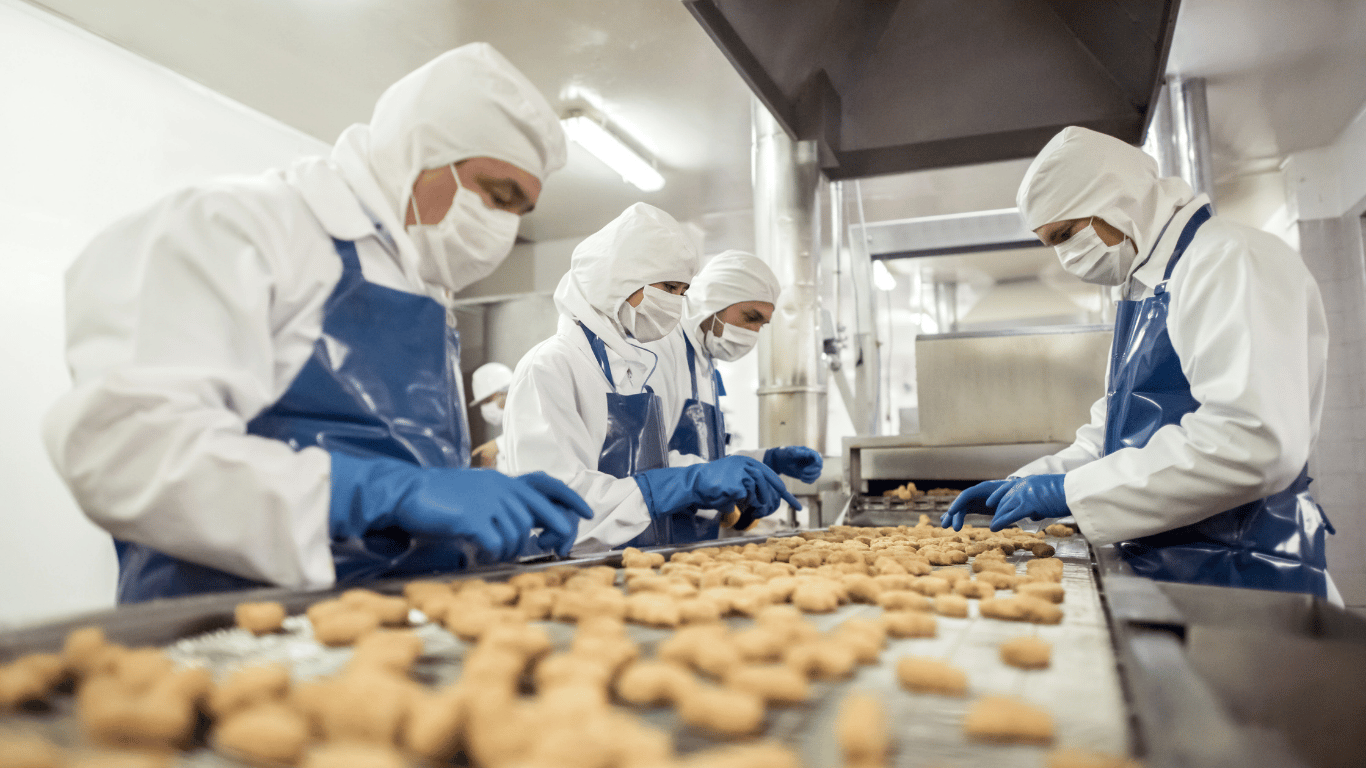
Food safety is a fundamental responsibility in restaurants, cafés, takeaways, catering businesses, food production environments, retail outlets and other workplaces where food is handled. Poor hygiene can allow harmful bacteria, allergens, chemicals or foreign objects to contaminate food, potentially causing illness and damaging customer confidence. Understanding how to prevent these risks helps create safer working environments and supports consistent food quality.
Throughout the course, you will explore food safety law, microbiological hazards, physical and chemical contamination, food allergens, food poisoning, food storage, personal hygiene, HACCP principles and cleaning procedures. You will learn why temperature control, safe handling, suitable storage and effective cleaning routines are important parts of everyday food operations.
The course also introduces the responsibilities of food handlers and the importance of following workplace procedures. You will develop a clearer understanding of how individual actions contribute to food safety, from receiving ingredients and preparing meals to serving customers and maintaining food premises.
By the end of your learning, you should have a stronger foundation in food hygiene principles and be better prepared to recognise common food safety risks. This knowledge can support your professional development and help you understand the standards expected in food-related workplaces.
What You Will Learn
-
The importance of food hygiene and food safety legislation.
-
How bacteria and other microbiological hazards can contaminate food.
-
How physical, chemical and allergenic hazards can be prevented.
-
Common causes of food poisoning and methods of control.
-
Safe food storage, stock rotation and temperature management.
-
Personal hygiene responsibilities for food handlers.
-
The purpose of HACCP and food safety management procedures.
-
Effective cleaning practices and contamination prevention.
-
The importance of maintaining hygienic food premises.
-
How to contribute to a safer food preparation and service environment.
Course Modules
Module 1: Food Safety and the Law
Explore the importance of food safety legislation and the responsibilities of businesses and individuals who handle food. You will develop an understanding of why food safety rules exist and how they help protect consumers from unsafe food and prevent avoidable illness.
This module introduces the importance of maintaining suitable hygiene standards throughout food operations. You will consider the responsibilities of food businesses, managers and food handlers, including the need to follow established procedures, maintain appropriate records and ensure that food is handled safely.
You will also explore the importance of training, supervision and clear workplace instructions. Food handlers need to understand how their actions can affect the safety of food, while employers must provide suitable arrangements for safe working practices.
The module will help you recognise that food safety is not simply a matter of keeping work surfaces clean. It involves a wider system of controls covering purchasing, delivery, storage, preparation, cooking, cooling, reheating and service.
Module 2: Bacteria and Microbiological Hazards
Learn how bacteria and other microorganisms can affect food safety. Some microorganisms are harmless or useful in food production, while others can cause food spoilage or illness.
This module explores how harmful bacteria can enter food and the conditions that allow microorganisms to multiply. You will consider factors such as moisture, nutrients, temperature and time, and why controlling these conditions is essential when handling potentially hazardous foods.
You will also examine common routes of contamination, including contaminated equipment, unwashed hands, raw food and unsafe storage practices. Cross-contamination can occur when harmful microorganisms transfer from one surface or food item to another.
You will learn why separating raw and ready-to-eat foods, using appropriate equipment and following safe preparation procedures are important. The module also introduces the importance of temperature control and effective cleaning in reducing microbiological risks.
Module 3: Physical, Chemical and Allergenic Hazards
Develop your ability to recognise different types of food safety hazards. Contamination is not limited to bacteria; food can also become unsafe through physical objects, chemicals and allergens.
Physical hazards may include glass, metal, plastic, packaging fragments, jewellery or other foreign objects. You will explore how these hazards can enter food during handling, preparation, processing or storage, and why workplace inspections and equipment maintenance matter.
Chemical hazards may arise from cleaning products, pesticides, unsuitable containers or incorrect chemical handling. You will learn why chemicals must be stored separately from food and used according to workplace procedures and product instructions.
The module also introduces food allergens and the importance of preventing unintended allergen exposure. You will explore why accurate ingredient information, careful preparation, appropriate cleaning and clear communication are essential when serving customers with food allergies.
By understanding these hazards, you can become more aware of the checks and precautions that help protect consumers.
Module 4: Food Poisoning and Control Measures
Explore food poisoning, its possible causes and the importance of preventing foodborne illness. You will learn how contaminated food can affect consumers and why safe food handling must be maintained at every stage of the food process.
This module introduces common foodborne pathogens and the ways they may spread through contaminated ingredients, unsafe temperatures, poor hygiene or cross-contamination. You will consider why certain foods require particular care and why high-risk foods must be handled according to suitable procedures.
You will also examine control measures such as safe cooking, appropriate chilling, separation of raw and ready-to-eat foods, personal hygiene and cleaning. Temperature monitoring and following workplace food safety instructions are important parts of these controls.
The module will help you understand how small mistakes can create significant risks. It will also reinforce the importance of reporting concerns, following established procedures and taking appropriate action when food may be unsafe.
Module 5: Food Spoilage and Food Storage
Learn why food spoils and how correct storage practices help maintain food quality and safety. Food spoilage can result from microorganisms, natural chemical changes, physical damage and unsuitable storage conditions.
This module explores the importance of storing different foods under appropriate conditions. You will consider refrigeration, freezing, dry storage, packaging, date marking and stock rotation.
You will also examine the importance of checking deliveries, inspecting packaging and ensuring that food is stored in suitable locations. Raw and ready-to-eat foods should be separated appropriately to reduce the risk of contamination.
Stock rotation systems, including first-in, first-out approaches where appropriate, can help businesses manage ingredients and reduce unnecessary waste. You will learn why use-by dates and best-before dates have different meanings and why food handlers must follow workplace procedures when checking food.
By developing this knowledge, you can better understand how safe storage supports food quality, reduces waste and protects consumers.
Module 6: Personal Hygiene
Understand why personal hygiene is one of the most important responsibilities for anyone who handles food. Food handlers can unintentionally transfer microorganisms to food through their hands, clothing, hair, personal items or poor hygiene practices.
This module explores effective handwashing, suitable work clothing, personal cleanliness and the importance of following workplace rules. You will consider when hands should be washed and why hand hygiene must be maintained throughout food preparation and service.
You will also examine the importance of reporting illness, symptoms and other circumstances that may affect food safety. Food handlers should follow their employer’s reporting procedures and relevant food safety guidance before returning to food-handling duties.
The module highlights the importance of avoiding behaviours that may contaminate food, including eating, smoking or handling personal items in food preparation areas where prohibited.
You will develop a clearer understanding of how individual hygiene habits contribute to a safe and professional food environment.
Module 7: HACCP and Food Premises
Explore HACCP, which stands for Hazard Analysis and Critical Control Point, and its role in food safety management. HACCP is a structured approach to identifying hazards and establishing controls at important stages of food operations.
This module introduces the principles behind identifying potential hazards, determining where controls are needed, establishing appropriate limits, monitoring procedures and taking corrective action when something goes wrong.
You will also consider the importance of suitable food premises. Food preparation areas should be designed, maintained and organised in ways that support hygiene and reduce contamination risks.
You will explore the importance of suitable equipment, adequate facilities, pest prevention, waste management and appropriate maintenance. You will also learn why food safety procedures must be relevant to the activities of the business rather than treated as paperwork alone.
Module 8: Cleaning
Develop an understanding of cleaning and disinfection as essential parts of food hygiene. Food preparation areas, equipment and utensils must be maintained appropriately to reduce contamination risks.
This module explores the difference between cleaning and disinfection, including why both may be necessary. Cleaning removes visible dirt and food residues, while suitable disinfection procedures reduce harmful microorganisms when used correctly.
You will consider cleaning schedules, appropriate cleaning materials, safe chemical storage and the importance of following product instructions. You will also explore why cleaning equipment itself must be maintained hygienically.
The module reinforces the importance of cleaning as part of everyday food operations, rather than an activity that takes place only when a workplace looks dirty.
Who Is This For?
This course is suitable for:
-
People starting work in restaurants, cafés and takeaways.
-
Food handlers and kitchen assistants.
-
Catering and hospitality employees.
-
Staff working in food retail and supermarkets.
-
Individuals involved in food preparation and service.
-
Catering assistants and food service workers.
-
People interested in food production and processing.
-
Entrepreneurs planning to work in food-related businesses.
-
Learners seeking to develop their food hygiene knowledge.
Requirements / Prerequisites
No formal academic qualifications are required to study this course. It is suitable for beginners and people who want to improve their understanding of food hygiene and safety.
You should have basic reading and comprehension skills, access to an internet-connected device and an interest in safe food handling.
Previous experience in a kitchen or food business may be helpful but is not essential.
Important qualification information: This online course should not automatically be treated as an accredited or regulated Level 2 food hygiene qualification. Check the course provider’s awarding arrangements and employer requirements if you need a recognised certificate for a particular job or workplace.
Skills and Knowledge You Can Develop
By completing the course, you can develop knowledge in food contamination prevention, personal hygiene, safe storage, food poisoning controls, allergen awareness, cleaning procedures and HACCP principles.
You will also strengthen your ability to recognise common food safety hazards, understand why workplace procedures matter and appreciate how consistent hygiene practices protect customers and support business standards.
Career Path
Food hygiene knowledge is relevant to a wide range of food-related roles. This course can support your preparation for entry-level opportunities and further training, although employment requirements vary.
Potential career directions include:
-
Food Handler: Prepare, handle and serve food while following workplace hygiene procedures.
-
Kitchen Assistant: Support food preparation, cleaning and kitchen organisation.
-
Catering Assistant: Help prepare and serve food in catering environments.
-
Restaurant or Café Team Member: Work in food service while following hygiene and safety standards.
-
Food Production Operative: Support food processing and packaging activities.
-
Food Retail Assistant: Handle and display food products in retail environments.
-
Hospitality Team Member: Develop towards wider hospitality responsibilities.
-
Kitchen Supervisor: Progress towards supervisory responsibilities with relevant experience and additional training.
Progression will depend on practical experience, employer requirements and any additional qualifications needed for the role.
Learning Outcomes
After completing this course, you should be able to:
-
Explain the importance of food hygiene and safety.
-
Recognise common microbiological, physical, chemical and allergenic hazards.
-
Describe how food poisoning can occur and how risks can be controlled.
-
Understand safe food storage and temperature management.
-
Explain the importance of personal hygiene.
-
Describe the purpose of HACCP-based food safety management.
-
Understand cleaning and disinfection procedures.
-
Recognise how food handlers contribute to consumer protection.
Professional Development and Further Learning
You may wish to continue your learning through additional courses in food allergen awareness, catering operations, hospitality management, food safety supervision, health and safety or quality assurance.
Further training can help you develop a broader understanding of food operations and prepare for roles with greater responsibility. Always check whether a particular employer or regulatory requirement calls for an approved or accredited qualification.
Take the Next Step
Develop essential knowledge for safer food handling and a more confident approach to food hygiene. This course introduces the principles that support clean food premises, responsible food preparation and effective contamination control, helping you build a foundation for further learning and opportunities in the food industry.
Course Content
Food Safety And The Law
-
Food Safety And The Law
00:00
Bacteria And Microbiological Hazards
Physical Chemical And Allergenic Hazards
Food Poisoning And Control Measures
Food Spoilage And Food Storage
Personal Hygiene
Haccp And Food Premises
Cleaning
Frequently Asked Questions
There are many things that you might want to know. Well we have the answers.
