Level 2 Food Hygiene and Safety for Catering
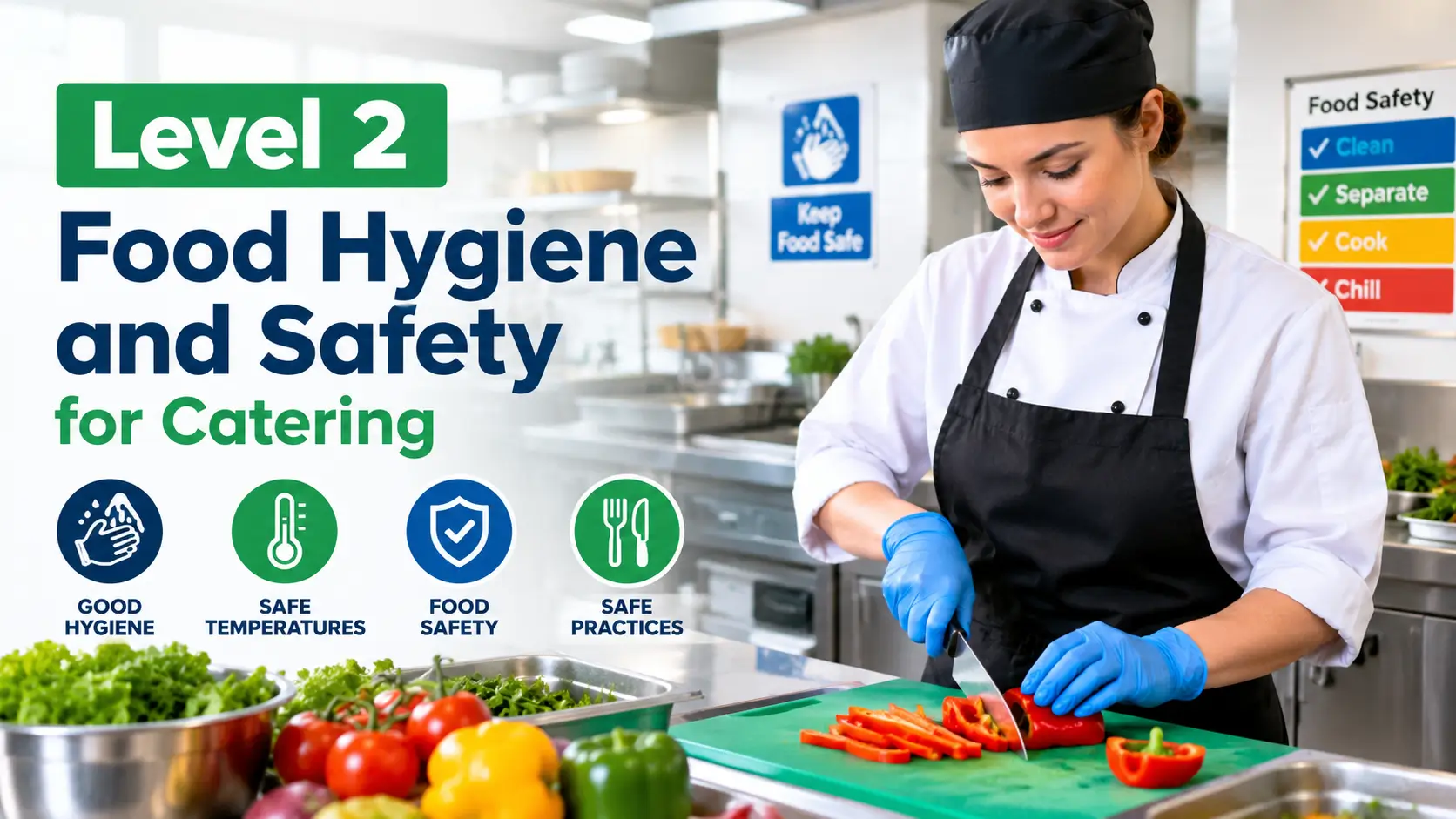
Level 2 Food Hygiene and Safety for Catering The Level 2 Food Hygiene and Safety for Catering course introduces learners...
Official Certification
Recognized by top tech firms
Learn With Confidence




About This Course
Level 2 Food Hygiene and Safety for Catering
The Level 2 Food Hygiene and Safety for Catering course introduces learners to essential food hygiene principles and safe food handling practices. It explores food contamination, food safety hazards, personal hygiene, food preservation and hygiene procedures relevant to catering environments. Learners also examine food safety management systems, HACCP principles, chemical contaminants and safe foodservice operations. Whether you are entering the catering industry, working in a kitchen or searching for a level 2 food hygiene certificate online, this course offers an introduction to important food safety concepts. It can help learners understand their responsibilities in maintaining hygienic environments and protecting consumers.
What You Will Learn
- The principles of food hygiene and food safety.
- The origins and nature of food safety risks.
- Food preservation methods and technologies that support food safety.
- Food safety management systems and HACCP principles.
- How to identify and manage chemical contaminants.
- Sustainability and food safety challenges across global supply chains.
- How to recognise food safety hazards and design safer food processes.
- How to maintain food safety programmes and follow safe foodservice practices.
- The importance of personal hygiene when handling food.
Course Overview
The Level 2 Food Hygiene and Safety for Catering course is intended for learners who want to understand food hygiene principles and their application in catering and foodservice settings. The supplied curriculum covers 16 modules, including food hygiene, food safety risks, food technologies, preservation, chemical contaminants and food safety management systems. Learners also explore Hazard Analysis and Critical Control Point (HACCP) principles, sustainability, global supply chains, hazard recognition and the design of safe food products and processes.
Additional topics include maintaining food safety programmes, foodservice operations and personal hygiene. These subjects can help learners build awareness of contamination prevention and responsible food handling. People comparing a level 2 food hygiene certificate online should check the provider’s qualification details, assessment arrangements and recognition before enrolling. Although the course title specifies Level 2, the extensive syllabus should be verified against the official course information to confirm its suitability for entry-level catering duties and any particular employer requirements.
Course Description
The Level 2 Food Hygiene and Safety for Catering course introduces key principles for maintaining food hygiene and reducing food safety risks. Its supplied curriculum includes contamination hazards, food preservation, chemical contaminants, HACCP, food safety management systems, personal hygiene and foodservice operations. Learners can explore how hygienic procedures and appropriate controls contribute to safer food handling. The course may be relevant to people interested in catering, hospitality, kitchens and food preparation. Before enrolling, check the provider’s official information to confirm the qualification level, syllabus, assessment, awarding organisation and recognition, particularly if you need a level 2 food hygiene certificate for employment.
Course Curriculum
Module 01: Introduction to Food Hygiene
This module introduces food hygiene principles and explains why hygienic practices are essential when handling and preparing food. Learners explore common sources of contamination and the importance of cleanliness in food environments.
Key learning topics:
- Understanding food hygiene and its importance in catering.
- Recognising common sources of food contamination.
- Exploring cleaning, sanitising and hygienic food handling practices.
- Understanding the role of food handlers in protecting consumers.
Module 02: Origin and Nature of Food Risk
This module explores how food safety risks develop and how hazards can affect food quality and consumer health. Learners consider the different types of hazards and factors that contribute to contamination.
Key learning topics:
- Identifying biological, chemical and physical food hazards.
- Understanding how contamination can occur during food production and preparation.
- Recognising conditions that may encourage harmful microorganisms to grow.
- Exploring basic approaches to identifying and controlling food safety risks.
Module 03: Technologies and Food Safety
This module examines how food technologies and monitoring practices can support food safety. Learners explore the role of processing, storage and suitable equipment in maintaining food quality and reducing risks.
Key learning topics:
- Understanding the relationship between food technology and safety.
- Exploring food processing and storage technologies.
- Recognising the importance of temperature monitoring and equipment maintenance.
- Understanding how appropriate technology can support quality and traceability.
Module 04: Preservation of Fruits and Vegetables
This module introduces methods used to preserve fruits and vegetables while maintaining their quality and safety. Learners explore how handling, storage and preservation conditions influence food products.
Key learning topics:
- Understanding the purpose of preserving fruits and vegetables.
- Exploring common preservation methods, including refrigeration, drying and heat treatment.
- Recognising the importance of hygienic handling during processing and storage.
- Understanding how storage conditions can affect product quality and safety.
Module 05: Establishing a Food Safety Management System (FSMS) in a Company
This module introduces food safety management systems and their role in helping food businesses manage risks. Learners explore the importance of documented procedures, responsibilities and ongoing monitoring.
Key learning topics:
- Understanding the purpose of a food safety management system.
- Recognising the importance of clear food safety responsibilities.
- Exploring procedures, monitoring records and documentation.
- Understanding how corrective action can help address food safety problems.
Module 06: Hazard Analysis and Critical Control Point System (HACCP)
This module introduces HACCP as a systematic method for identifying and controlling food safety hazards. Learners explore how hazard analysis and monitoring can support safe food preparation and production.
Key learning topics:
- Understanding the purpose and principles of HACCP.
- Identifying hazards at different stages of food handling.
- Exploring critical control points, critical limits and monitoring procedures.
- Understanding corrective actions, verification and record keeping.
Module 07: Management of Chemical Contaminants for Food Safety
This module explores chemical contamination and the importance of controlling substances that could make food unsafe. Learners consider how chemicals may enter food and why appropriate storage and handling procedures matter.
Key learning topics:
- Identifying potential chemical contaminants in food.
- Understanding contamination risks associated with cleaning products and other chemicals.
- Exploring safe chemical storage and separation from food.
- Recognising the importance of monitoring and following workplace procedures.
Module 08: Sustainability and Food Safety
This module explores the relationship between sustainable practices and food safety. Learners consider how resources can be used responsibly while maintaining suitable hygiene and safety standards.
Key learning topics:
- Understanding sustainability in food handling and catering.
- Exploring responsible use of water, energy and cleaning materials.
- Recognising ways to reduce food waste without compromising safety.
- Understanding appropriate storage, handling and disposal practices.
Module 09: Food Safety — An Introduction
This module introduces the wider principles of food safety and their importance in protecting consumers. Learners explore common responsibilities and the consequences of failing to follow safe food handling practices.
Key learning topics:
- Understanding food safety and its importance to public health.
- Recognising the potential consequences of unsafe food.
- Exploring food handlers’ responsibilities in catering environments.
- Understanding the relationship between hygiene, food safety and consumer confidence.
Module 10: Food Safety Challenges in the Global Supply Chain
This module explores food safety risks throughout the supply chain, from production to transport, storage and distribution. Learners consider how traceability and consistent procedures help manage these risks.
Key learning topics:
- Understanding the main stages of a food supply chain.
- Identifying potential contamination and temperature-control risks.
- Exploring traceability, supplier controls and documentation.
- Recognising the importance of communication across the supply chain.
Module 11: Recognising Food Safety Hazards
This module focuses on recognising potential food safety hazards and understanding the importance of identifying risks early. Learners explore basic monitoring and reporting practices.
Key learning topics:
- Identifying biological, chemical, physical and allergen-related hazards.
- Recognising conditions that may increase contamination risks.
- Understanding the role of inspections and routine checks.
- Reporting concerns and following appropriate corrective procedures.
Module 12: Designing Safety into a Food Product
This module explores how food safety can be considered when products are developed. Learners examine the importance of ingredient selection, packaging, storage and identifying potential hazards.
Key learning topics:
- Understanding food safety considerations during product development.
- Identifying potential risks associated with ingredients and formulations.
- Exploring packaging, labelling and storage considerations.
- Recognising the importance of testing and documented safety controls.
Module 13: Designing a Safe Food Process
This module examines how food safety principles can be incorporated into food preparation and processing. Learners explore the importance of suitable procedures, hygiene controls and monitoring.
Key learning topics:
- Understanding how process design influences food safety.
- Identifying potential contamination points during food preparation.
- Exploring temperature controls, equipment hygiene and monitoring.
- Recognising the importance of following validated workplace procedures.
Module 14: Maintaining and Improving a Food Safety Programme
This module introduces ways to maintain and improve food safety procedures. Learners consider the role of monitoring, documentation, inspections and corrective action.
Key learning topics:
- Understanding why food safety programmes require regular review.
- Exploring inspections, audits and monitoring records.
- Identifying opportunities for corrective and preventive action.
- Understanding how training and continuous improvement support food safety.
Module 15: Food Safety in Foodservice Operations
This module focuses on food safety in catering, hospitality and other foodservice settings. Learners explore safe practices for receiving, storing, preparing and serving food.
Key learning topics:
- Understanding safe food receiving, storage and preparation.
- Recognising the importance of temperature control during cooking, cooling and service.
- Understanding how to prevent cross-contamination and manage allergen-related risks.
- Maintaining hygienic work areas, equipment and food handling routines.
Module 16: Personal Hygiene
This module explores the importance of personal hygiene in preventing contamination. Learners consider handwashing, suitable clothing, illness reporting and responsible conduct when handling food.
Key learning topics:
- Understanding effective handwashing and personal cleanliness.
- Recognising the importance of suitable protective clothing and hygiene practices.
- Understanding why food handlers should report relevant symptoms or illnesses.
- Following workplace procedures to prevent contamination and protect consumers.
Who Is This Course For?
The Level 2 Food Hygiene and Safety for Catering course may be suitable for:
- Aspiring catering workers: Individuals preparing to explore opportunities in catering and foodservice.
- Kitchen assistants: Learners who want to understand hygiene principles relevant to kitchen work.
- Food handlers: People interested in improving their understanding of safe food handling.
- Hospitality staff: Individuals working in cafés, restaurants, hotels or other food-related settings.
- Food preparation workers: Learners who want to explore contamination prevention and food safety procedures.
- Catering assistants: People looking to develop their knowledge of food hygiene and safe service practices.
- Career changers: Individuals considering work in hospitality, catering or food preparation.
- Existing foodservice employees: Workers who want to refresh their theoretical knowledge of food safety.
Suitability for a particular position depends on the actual qualification, employer expectations and applicable local regulations. Some supervisory or specialist duties may require additional training.
Requirements
The supplied curriculum does not specify formal entry requirements. Check the provider’s course page for the latest enrolment criteria before registering.
The following may help learners benefit from the course:
- An interest in food hygiene, catering or hospitality.
- Basic reading and comprehension skills.
- A willingness to follow hygiene and food safety procedures.
- Attention to detail and a responsible approach to food handling.
- An interest in preventing contamination and protecting consumers.
Previous catering experience should not be assumed to be compulsory unless the provider confirms it. If you need a recognised Level 2 food hygiene certificate for a job, verify the qualification details, awarding organisation and acceptance with your employer before enrolling.
Skills You Can Develop
The course curriculum can help learners develop their understanding of:
- Food hygiene: Understanding hygienic practices and maintaining clean food preparation environments.
- Food safety awareness: Recognising common hazards and understanding the importance of contamination prevention.
- Safe food handling: Understanding procedures for receiving, storing, preparing and serving food.
- HACCP awareness: Learning how hazard analysis and control measures support food safety.
- Personal hygiene: Understanding handwashing, suitable clothing and illness reporting.
- Chemical safety awareness: Recognising why chemicals must be handled and stored appropriately.
- Food preservation: Understanding basic preservation methods and suitable storage conditions.
- Food safety management: Understanding documented procedures, monitoring and corrective action.
- Cross-contamination prevention: Recognising how contaminants may spread between food, equipment and surfaces.
- Professional responsibility: Understanding the importance of following workplace procedures and protecting consumers.
Practical competence and eligibility for specific positions may require workplace training, assessment or additional recognised qualifications.
Learning Outcomes
After completing the course, learners should be able to:
- Explain the importance of food hygiene and food safety in catering environments.
- Identify common biological, chemical and physical hazards that may affect food.
- Describe general food preservation methods and explain how storage conditions affect food safety.
- Explain the purpose of food safety management systems and the importance of documented procedures.
- Describe the main principles of HACCP and the role of monitoring and corrective action.
- Identify potential chemical contaminants and explain the importance of safe chemical handling.
- Explain how sustainability can be considered while maintaining food safety.
- Recognise food safety risks across food supply chains and explain the importance of traceability.
- Describe practices that help maintain safe foodservice operations and reduce cross-contamination.
- Explain the importance of personal hygiene and following workplace food safety procedures.
Career Paths
The Level 2 Food Hygiene and Safety for Catering course may help learners explore food-related employment opportunities by introducing hygiene principles and safe food handling. Potential roles to research include:
- Food Handler: Handling food while following appropriate hygiene procedures.
- Kitchen Assistant: Supporting food preparation, cleaning and kitchen organisation.
- Catering Assistant: Helping prepare, arrange and serve food in catering settings.
- Restaurant Team Member: Carrying out foodservice duties in restaurants and cafés.
- Café Assistant: Supporting food preparation, service and cleanliness.
- Hotel Foodservice Assistant: Helping with food handling and service in hospitality environments.
- Food Preparation Assistant: Supporting routine preparation tasks while following food safety procedures.
- Food Production Operative: Assisting with food processing and production, subject to employer requirements.
- Catering Support Worker: Helping maintain safe and organised foodservice operations.
This course should not be treated as a guarantee of employment or as automatic proof of competence for every role. Employers may require recognised certificates, practical experience, allergen training or additional qualifications depending on the duties involved.
Level 2 Food Hygiene Certificate Online
If you are looking for a level 2 food hygiene certificate online, check that the course you choose provides the qualification or certificate your employer requires. Confirm whether assessment is included, which organisation issues the certificate and whether it is accepted for your intended job.
The title “Level 2 Food Hygiene and Safety for Catering” should also be checked against the provider’s official information, particularly because the supplied course URL refers to a Level 3 supervising food safety course. Verify the exact qualification title and level with the provider before enrolling or publishing qualification claims.
Food Safety in the UK
Food businesses in the UK must comply with applicable food hygiene and food safety legislation. The relevant requirements depend on the business activity and location. Food handlers should receive appropriate supervision, instruction and training for the work they perform.
A food safety course can help learners understand important principles, but employers may have specific requirements for the qualification they accept. If you need a Level 2 food hygiene certificate for a job, confirm those requirements with the employer or relevant local authority.
Frequently Asked Questions
1. What is the Level 2 Food Hygiene and Safety for Catering course?
It is the course title supplied for this programme. The provided curriculum covers food hygiene, contamination risks, HACCP, food safety management, personal hygiene and foodservice operations. Confirm the official qualification title and recognition with the provider before enrolling.
2. What topics are covered in this food hygiene course?
The 16 supplied modules cover food hygiene, food safety risks, technologies, preservation, food safety management systems, HACCP, chemical contaminants, sustainability, global supply chains, hazard recognition, safe food processes, foodservice operations and personal hygiene.
3. Can I get a Level 2 food hygiene certificate online?
Online food hygiene courses are available from different providers, but the exact certificate and its recognition depend on the course. Check whether assessment is included, who awards the certificate and whether it meets your employer’s requirements.
4. Is a Level 2 food hygiene certificate necessary for catering jobs?
Requirements vary by employer, role and location. Food handlers need appropriate instruction, supervision and training for their duties, and some employers request a specific certificate. Confirm the requirements for your intended position before enrolling.
5. What is the difference between Level 2 food hygiene and food safety Level 3?
Level 2 training is generally associated with foundational food hygiene knowledge for food handlers, while Level 3 training may cover more extensive food safety supervision and management responsibilities. Exact content and recognition depend on the qualification and awarding organisation.
6. Do I need previous experience to take this course?
The supplied information does not specify a prior experience requirement. Check the provider’s entry criteria to confirm whether beginners can enrol and whether any previous training is expected.
7. Does this course cover HACCP?
Yes. Module 06 focuses on the Hazard Analysis and Critical Control Point system (HACCP). It introduces hazard identification, control points, monitoring and corrective action as parts of a systematic food safety approach.
8. Will I learn how to prevent food contamination?
The curriculum includes food risks, recognising food safety hazards, chemical contaminants, foodservice operations and personal hygiene. These subjects help learners understand how contamination can occur and why appropriate procedures are important.
9. Does the course cover personal hygiene?
Yes. Module 16 focuses on personal hygiene, including the importance of cleanliness and responsible food handling. Learners should also follow their workplace’s procedures for protective clothing, handwashing and reporting relevant illness.
10. Is this course suitable for kitchen assistants and catering staff?
The subject areas may be relevant to kitchen assistants, catering staff and other food handlers. However, confirm the actual qualification and syllabus with the provider to make sure they meet your employer’s requirements.
11. Is the course recognised in the UK?
Recognition cannot be confirmed from the course title alone. Ask the provider which organisation awards the certificate and whether it is accepted for the job or purpose you have in mind.
12. What is a food safety management system?
A food safety management system is a structured approach that helps a food business identify hazards, establish control procedures, monitor food safety and maintain records. The course includes a module on establishing a food safety management system in a company.
13. Can this course help me get a job in catering?
The course may help you develop food hygiene knowledge relevant to catering. Employment depends on the role, employer requirements, practical experience and any required recognised qualifications. Course completion does not guarantee a job.
14. Why should I check the course level before enrolling?
The supplied course title states Level 2, while the provided URL refers to a Level 3 supervising food safety course. Confirm the exact qualification name, level, awarding organisation and recognition with the provider so you choose a course appropriate for your needs.
15. Where can I find more information about this course?
Visit the supplied course page and confirm that it corresponds to the Level 2 Food Hygiene and Safety for Catering qualification before enrolling:
Course Content
Module 01: Introduction to Food Hygiene
-
Introduction to Food Hygiene
00:00
Module 02: Origin and Nature of Food Risk
Module 03: Technologies and Food Safety
Module 04: Preservation of Fruits and Vegetables
Module 05: Establishing Food Safety Management _System(FSMS) in a company
Module 06: Hazard Analysis and Critical Control_Point System (HACCP)
Module 07: Management of Chemical _Contaminants for food safety
Module 08: Sustainability and food safety
Module 09: Food Safety —An Introduction
Module 10: Food Safety Challenges in the Global Supply Chain
Module 11: Recognising Food Safety Hazards
Module 12: Designing Safety into a Food Product
Module 13: Designing a Safe Food Process
Module 14: Maintaining and Improving a Food Safety Programme
Module 15: Food Safety in Foodservice Operations
Module 16: Personal Hygiene
Frequently Asked Questions
There are many things that you might want to know. Well we have the answers.
