Working in Confined Spaces
Overview Working in Confined Spaces Introduction Working in confined spaces is one of the most high-risk activities across many industries,...
Official Certification
Recognized by top tech firms
Learn With Confidence





About This Course
Overview
Working in Confined Spaces
Introduction
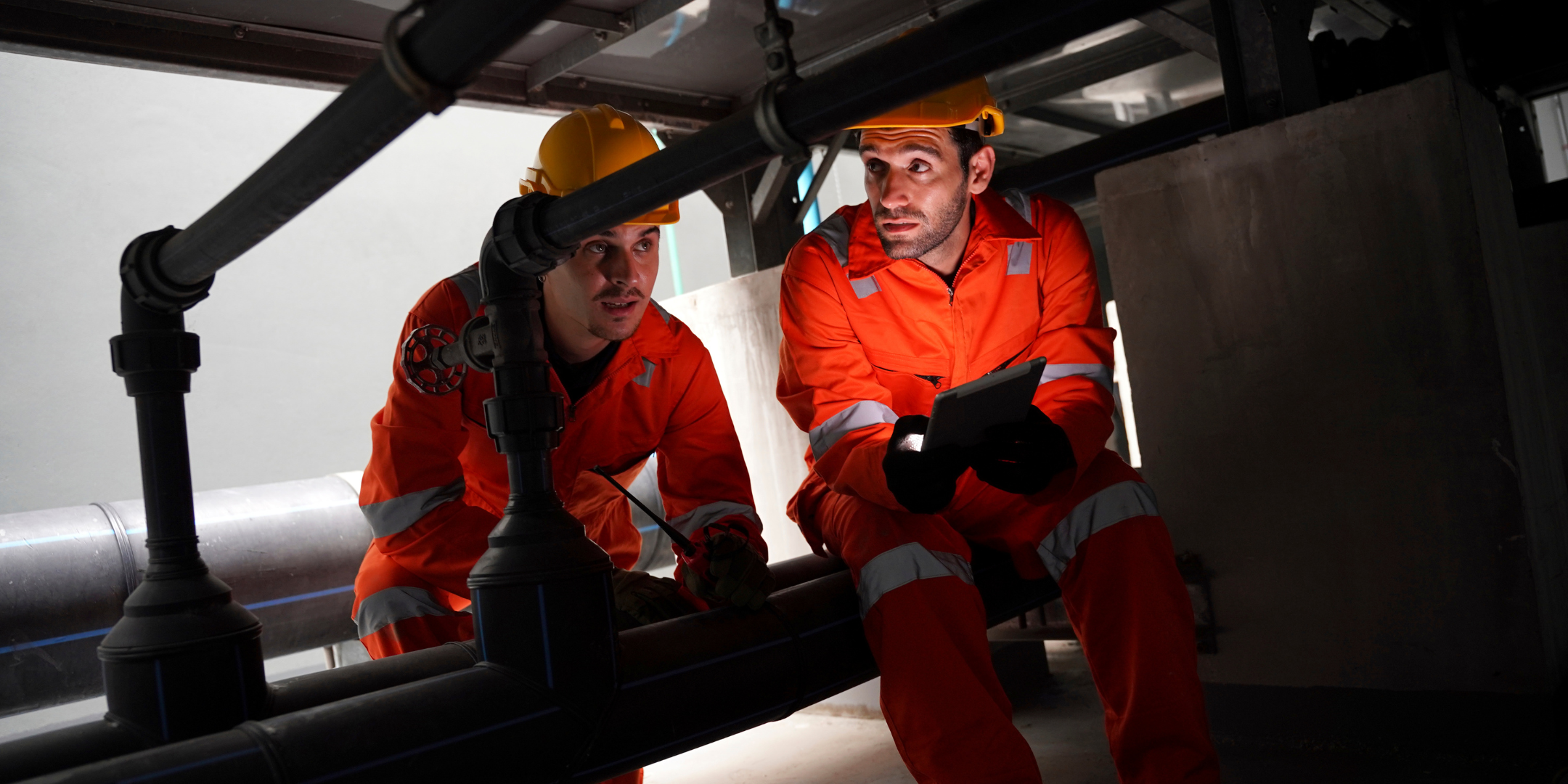
Working in confined spaces is one of the most high-risk activities across many industries, including construction, manufacturing, utilities, shipping, maintenance, and engineering. These environments are not designed for continuous human occupancy and often present serious hazards that can quickly become life-threatening if proper safety procedures are not followed.
A confined space is typically an enclosed or partially enclosed area that has limited entry or exit, poor ventilation, and the potential for hazardous conditions such as toxic gases, oxygen deficiency, or the risk of engulfment. Because of these dangers, working in confined spaces requires strict safety controls, training, and awareness.
Understanding confined space safety is essential for protecting workers, preventing accidents, and ensuring compliance with occupational health and safety regulations.
Understanding Confined Spaces
A confined space is not defined only by size but by its characteristics.
It usually includes:
-
Limited entry or exit points
-
Poor natural ventilation
-
Not designed for continuous occupancy
Examples include:
-
Storage tanks
-
Sewers and drainage systems
-
Silos and grain bins
-
Underground vaults
-
Boilers
-
Pipelines
-
Ship holds
Even large spaces can be classified as confined if access and ventilation are restricted.
Why Confined Spaces Are Dangerous
Confined spaces are hazardous because conditions can change rapidly and unpredictably.
Main dangers include:
-
Oxygen deficiency
-
Toxic gas exposure
-
Fire and explosion risk
-
Engulfment (e.g., liquids or solids)
-
Restricted movement and escape difficulty
Small changes in environment can become fatal very quickly.
Oxygen Deficiency Risks
One of the most serious risks is low oxygen levels.
Oxygen can be reduced due to:
-
Chemical reactions
-
Rusting metals
-
Displacement by other gases
Low oxygen can cause:
-
Dizziness
-
Loss of consciousness
-
Death
Safe oxygen levels must always be confirmed before entry.
Toxic Atmosphere Hazards
Confined spaces may contain harmful gases such as:
-
Carbon monoxide
-
Hydrogen sulfide
-
Methane
-
Industrial fumes
These gases can be:
-
Odorless
-
Colorless
-
Extremely dangerous even in small amounts
Continuous monitoring is essential for safety.
Engulfment Hazards
Engulfment occurs when a worker is surrounded by:
-
Liquids
-
Grain
-
Sand
-
Powdered materials
This can lead to suffocation or inability to escape.
Engulfment risks are common in storage and industrial facilities.
Fire and Explosion Risks
Confined spaces may contain flammable gases or vapors.
Risks increase due to:
-
Poor ventilation
-
Spark sources
-
Chemical reactions
Even small ignition sources can cause catastrophic explosions.
Restricted Entry and Exit
Confined spaces often have:
-
Narrow entrances
-
Limited escape routes
-
Difficult access points
This makes rescue operations challenging and time-sensitive.
Quick evacuation may not be possible without proper planning.
Importance of Risk Assessment
Before entering any confined space, a risk assessment must be conducted.
It includes:
-
Identifying hazards
-
Evaluating risks
-
Implementing control measures
-
Planning emergency response
Risk assessment is a legal and safety requirement in many industries.
Permit-to-Work Systems
A permit-to-work system ensures controlled access to confined spaces.
It includes:
-
Authorization before entry
-
Defined safety procedures
-
Monitoring requirements
-
Emergency plans
No entry should occur without proper authorization.
Atmospheric Testing
Air quality must be tested before and during entry.
Testing checks for:
-
Oxygen levels
-
Toxic gases
-
Flammable gases
Continuous monitoring ensures changing conditions are detected early.
Ventilation and Air Control
Proper ventilation reduces atmospheric hazards.
Methods include:
-
Mechanical ventilation
-
Air supply systems
-
Extraction of harmful gases
Good airflow helps maintain safe conditions.
Personal Protective Equipment (PPE)
Workers in confined spaces must use appropriate PPE such as:
-
Respirators
-
Harness systems
-
Protective clothing
-
Helmets and gloves
PPE reduces exposure to hazards but does not eliminate risk.
Communication Systems
Clear communication is essential for safety.
Methods include:
-
Radio systems
-
Hand signals
-
Monitoring supervisors outside the space
Workers must remain in constant contact with standby personnel.
Standby and Rescue Teams
A trained standby team must always be present.
Their responsibilities include:
-
Monitoring entry
-
Maintaining communication
-
Executing rescue operations if needed
Rescue must be immediate and well-coordinated.
Emergency Response Planning
Emergency planning is critical in confined space work.
It includes:
-
Rescue procedures
-
Medical response
-
Evacuation routes
-
Equipment readiness
Delays in rescue can be fatal.
Training and Competency
Only trained and competent workers should enter confined spaces.
Training includes:
-
Hazard recognition
-
Equipment use
-
Emergency procedures
-
Safe entry practices
Competency reduces risk significantly.
Supervision and Monitoring
Continuous supervision ensures safety compliance.
Supervisors are responsible for:
-
Enforcing safety rules
-
Monitoring conditions
-
Coordinating teams
Active supervision reduces human error.
Common Mistakes in Confined Space Work
Frequent mistakes include:
-
Entering without proper testing
-
Ignoring permits
-
Inadequate ventilation
-
Poor communication
-
Lack of emergency planning
These mistakes often lead to serious accidents.
Safety Culture in Confined Space Work
A strong safety culture is essential.
It involves:
-
Prioritizing safety over speed
-
Encouraging reporting of hazards
-
Following procedures strictly
-
Continuous training
Safety culture saves lives.
Regulatory Compliance
Confined space work is governed by strict regulations in most countries.
Regulations ensure:
-
Safe working conditions
-
Proper training
-
Emergency preparedness
Compliance is mandatory, not optional.
AI and Confined Space Safety
Artificial Intelligence can improve confined space safety through:
-
Gas detection systems
-
Predictive hazard analysis
-
Real-time monitoring
-
Safety alerts
However, human supervision and strict safety procedures remain essential.
Technology supports safety but does not replace responsibility.
Future of Confined Space Safety
Future improvements may include:
-
Smart sensors and wearables
-
AI-based risk prediction systems
-
Automated monitoring systems
-
Enhanced communication tools
These advancements will improve safety but require proper human oversight.
Conclusion
Working in confined spaces involves significant risks due to limited access, poor ventilation, and potential exposure to hazardous conditions. Safety depends on strict procedures, proper training, risk assessment, communication, and emergency preparedness.
When managed correctly, confined space work can be performed safely. However, even small failures in procedure can lead to serious consequences. Therefore, discipline, awareness, and compliance with safety systems are essential to protect lives and ensure safe working environments.
Course Content
Module 1_ Introduction to Confined Spaces
-
Introduction to Confined Spaces
Module 2_ Legal Requirements for Working in Confined Spaces
Module 3_ Safe Work Practices for Confined Spaces
Module 4_ Types of Confined Spaces
Module 5_ Pre-Entry Procedures for Confined Spaces
Module 6_ Confined Space Emergencies
Frequently Asked Questions
There are many things that you might want to know. Well we have the answers.
