Cleaning Risk Assessment Guide for UK Workplaces


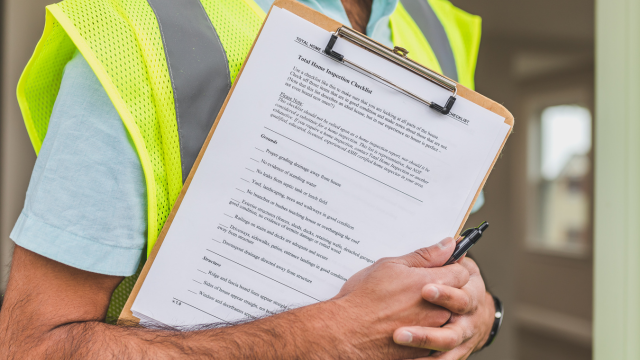
Cleaning is essential for maintaining safe and usable workplaces, but the activity itself can introduce hazards. Wet floors can become slippery, electrical cables can create trip risks, chemicals may damage skin or eyes, heavy equipment can strain the body and cleaning at height can lead to falls.
A suitable cleaning risk assessment helps an employer identify these hazards before someone is injured or becomes ill.
The assessment does not need to become an unnecessarily complicated document. Its purpose is practical: understand the work, identify who could be harmed, decide whether existing controls are adequate and take further action where necessary.
For employers, supervisors and cleaning teams, effective cleaning safety UK practice should consider far more than chemicals alone. COSHH is important, but so are slips, manual handling, work equipment, working at height, biological contamination and the way cleaning activities affect other workers and members of the public.
This guide explains how to approach workplace cleaning risks systematically and how to keep the assessment useful after it has been written.
What Is a Cleaning Risk Assessment and Why Is It Important?
A cleaning risk assessment is a structured examination of the hazards associated with cleaning work and the precautions required to control them. In simple terms, it is a continuous and systematic process of identifying hazards, evaluating risks and maintaining suitable controls.
A hazard is something with the potential to cause harm. A risk considers how likely that harm is and how serious its consequences could be.
For example, a wet polished floor is a hazard. The level of risk depends on factors such as how slippery it becomes, whether people can enter the area, how long it remains wet and whether suitable controls are in place.
Why cleaning needs its own assessment
It is easy to view cleaning as routine low-risk work. In reality, cleaners may encounter multiple hazards during a single shift. A cleaner could:
- carry equipment between floors;
- use concentrated chemicals;
- push a heavy cleaning machine;
- work around electrical equipment;
- clean toilets or contaminated surfaces;
- use a step ladder;
- work alone after normal business hours; and
- leave floors temporarily wet.
Those activities create different risks and require different controls. Ongoing monitoring, regular review and continuous improvement help ensure that controls remain effective.
Risk assessment is about action
A document is not useful simply because it contains a coloured risk matrix. A worthwhile workplace risk assessment should lead to practical decisions and continuous risk control.
For example:
Hazard: wet floor after mopping.
Who could be harmed: cleaners, employees, customers and visitors.
Current controls: warning signs.
Additional control: clean in sections, prevent access to the wet section and use equipment that leaves the floor as dry as reasonably practicable.
That is much more useful than writing “slip risk – medium” without explaining what should happen.
Written assessments and the five-employee rule
In Great Britain, employers must assess risks regardless of whether they employ one person or hundreds. Where an organisation has five or more employees, significant findings must be recorded.
Businesses with fewer than five employees are not generally required to record those findings formally, although keeping a written assessment can still be very useful. The assessment should also be reviewed and updated when circumstances, equipment, substances or working practices change.
The assessment also needs to cover people other than direct employees where they could be affected by the organisation’s work. For cleaning operations, this could include:
- contractors;
- office employees;
- customers;
- residents;
- patients;
- pupils;
- visitors; and
- members of the public.
Understanding UK Workplace Cleaning Safety Requirements
There is no single piece of legislation called the “UK Cleaning Regulations”. Instead, cleaning activities can fall under several areas of health and safety law. These requirements work together as part of an ongoing safety management and compliance process.
Health and Safety at Work etc. Act 1974
In Great Britain, the Health and Safety at Work etc. Act 1974 provides the broad framework for protecting workers and others affected by work activities. Employers have general responsibilities to protect health and safety so far as is reasonably practicable.
Management of Health and Safety at Work Regulations 1999
These regulations make cleaning risk assessment a central part of managing workplace health and safety in Great Britain. Employers need to identify hazards, evaluate risks and put suitable preventive and protective measures in place.
This provides the main foundation for a cleaning risk assessment and supports a continuous approach to workplace safety.
COSHH
Cleaning professionals frequently work with hazardous substances. The Control of Substances Hazardous to Health Regulations 2002, as amended, require employers in Great Britain to assess and control health risks arising from substances such as:
- corrosive cleaning products;
- disinfectants;
- bleach;
- solvents;
- concentrated detergents;
- vapours;
- mists;
- dusts; and
- relevant biological agents.
A COSHH assessment may form part of the wider cleaning risk-management system but concentrates specifically on hazardous substances and exposure. Controls should be monitored and reviewed to maintain effective protection.
Manual Handling Operations Regulations
Cleaners may lift refuse bags, carry equipment, move furniture or push heavy machines and trolleys. Manual handling also includes pushing and pulling.
Employers should avoid hazardous manual handling where reasonably practicable and assess and reduce the risk where it cannot be avoided. Regular review of working methods can help maintain safer practices.
Work at Height Regulations
Window cleaning, high-level dusting and similar tasks may involve working above floor level. Where work at height cannot be avoided, it needs to be properly planned and carried out using appropriate equipment and precautions.
A chair, desk or improvised platform should not be treated as suitable access equipment simply because a task will take only a few seconds.
Work equipment requirements
Cleaning machines, vacuum cleaners, polishers, pressure washers and similar equipment should be suitable for the work and maintained appropriately. Workers also need relevant information, instruction and training.
Routine inspection and maintenance form part of ongoing safety control.
PPE requirements
The Personal Protective Equipment at Work Regulations were amended in 2022 to extend relevant employer duties to certain limb (b) workers as well as employees.
Where PPE is required under the applicable regime, it must be suitable, maintained and accompanied by appropriate instruction and training. For chemical exposure, COSHH contains the specific control requirements.
These pieces of legislation demonstrate why UK regulations affecting cleaners should be considered together rather than reducing housekeeping compliance to a chemical-safety checklist. Effective cleaning safety depends on continuous risk assessment, regular review, monitoring and improvement.
Key Hazards Identified in Cleaning Risk Assessments
The exact hazards depend on the workplace.
A cleaner in an office does not face exactly the same risks as someone cleaning a hospital, warehouse or industrial site.
Several hazards nevertheless occur repeatedly.
Slips and trips
Slips and trips are among the most important cleaning risks.
Cleaning may remove contamination that causes slips, but it can also introduce new hazards through:
- wet floors;
- trailing vacuum cables;
- hoses;
- cleaning equipment left in walkways;
- buckets; and
- temporary obstructions.
Warning signs can help, but they should not be the only control where access to a genuinely slippery surface can reasonably be prevented.
Cleaning chemicals
Chemical hazards vary considerably.
Possible effects include:
- skin irritation;
- dermatitis;
- chemical burns;
- eye injury;
- respiratory irritation; and
- occupational asthma or sensitisation.
The risk depends on the chemical, concentration, method of use and duration of exposure.
Spraying a product, for example, may create a mist that would not arise through controlled wiping.
Wet work and dermatitis
Repeated contact with water and cleaning substances can damage the skin even where the product is not highly corrosive.
HSE specifically warns that frequent or prolonged wet hands can contribute to dermatitis.
Good health and safety cleaning procedures should therefore include hand-care and exposure controls where appropriate.
Manual handling and musculoskeletal problems
Cleaning can involve repetitive and physically demanding work.
Potential problems include:
- carrying heavy refuse bags;
- moving furniture;
- lifting buckets;
- pushing cleaning machines;
- repetitive mopping;
- vacuuming;
- reaching;
- bending; and
- working in awkward positions.
Equipment design and workload organisation can be as important as lifting technique.
Work at height
Cleaners may try to reach:
- high windows;
- shelves;
- light fittings;
- signs;
- walls; or
- ceiling-level surfaces.
The assessment should determine whether the task genuinely needs work at height and, if so, what equipment and precautions are appropriate.
Electrical risks
Cleaning often brings liquids close to powered equipment.
Potential risks include damaged vacuum cables, inappropriate use of electrical equipment in wet environments and cleaning around live electrical installations.
Defective equipment should be taken out of use and reported according to workplace procedures.
Biological contamination
Some cleaners may come into contact with:
- bodily fluids;
- contaminated waste;
- toilet facilities;
- clinical environments;
- animal waste; or
- other biological material.
The level of risk depends heavily on the workplace.
Healthcare and laboratory cleaning may require particularly detailed procedures.
Sharps and hidden objects
Cleaners handling waste can sometimes encounter needles, broken glass, blades or other sharp objects.
Hands should not be pushed blindly into refuse bags or areas where sharp materials may be concealed.
Where sharps are foreseeable, the workplace needs appropriate handling and disposal procedures.
Lone working and out-of-hours cleaning
Many cleaners work before or after normal business hours.
Lone working can increase the consequences of an accident because help may not be immediately available.
The assessment may need to consider communication, emergency arrangements, building security and the particular risks of isolated work.
How to Conduct a Cleaning Risk Assessment Step by Step
A practical assessment can follow HSE’s familiar five-stage approach.
Step 1: Identify the hazards
Walk through the workplace and observe cleaning tasks as they actually happen.
Do not rely solely on the written cleaning schedule.
Look at:
- chemicals;
- floors;
- cables;
- equipment;
- storage;
- waste;
- lifting and carrying;
- work at height;
- repetitive tasks;
- electrical equipment; and
- access by other people.
Speak to cleaners.
The people carrying out the job often know where the real problems occur.
Review accident reports, near misses and complaints as well.
Step 2: Decide who may be harmed and how
Do not write only “cleaner”.
Consider all groups exposed.
For a supermarket floor-cleaning activity, for example, those potentially affected could include:
- cleaning staff;
- retail employees;
- customers;
- children;
- delivery workers; and
- contractors.
Then explain how harm could occur.
For example:
Customer could slip on the wet entrance floor and fall.
This is more useful than simply recording “public – slips”.
Step 3: Evaluate the risk and decide on controls
Examine existing precautions.
Then consider whether more needs to be done.
A sensible control hierarchy is:
- Eliminate the hazard where possible.
- Substitute it with something less hazardous.
- Use engineering or physical controls.
- Introduce safe systems and administrative controls.
- Use PPE for remaining risks where appropriate.
For example, if staff manually dilute a corrosive chemical every day, issuing thicker gloves may not be the best first improvement. A closed dosing system or safer ready-to-use product may reduce exposure more effectively.
Step 4: Record significant findings
Where there are five or more employees, record the significant findings.
A straightforward table can include:
| Hazard | Who may be harmed | Existing controls | Further action | Responsible person | Review |
| Wet floor | Staff, visitors, cleaner | Warning signs | Clean in sections and restrict access | Supervisor | Review after change |
| Concentrated descaler | Cleaner | Gloves, labelled container | Install dosing system and provide eye protection if assessment requires | Facilities manager | After installation |
| Heavy waste bags | Cleaner | Manual-handling training | Reduce bag size and provide trolley | Cleaning manager | Monthly check |
The assessment does not need complicated numerical scoring unless that genuinely helps the organisation make decisions.
Step 5: Review and Update
A cleaning risk assessment is not a one-time exercise. It should be reviewed and updated when circumstances change or when existing controls are no longer effective.
Changes that may trigger a review include:
- new chemicals or substances;
- new machinery or equipment;
- different flooring or surfaces;
- a change in cleaning methods or procedures;
- workplace refurbishment;
- new staff;
- an accident or near miss;
- reports of dermatitis or irritation;
- changes to working hours; or
- evidence that current controls are not working effectively.
Regular review helps keep the assessment current, suitable and effective.
Control Measures for Common Cleaning Risks

The most suitable control measure depends on the hazard, risk level and working environment.
Preventing Slips
Where cleaning creates a wet floor, consider:
- cleaning during quieter periods;
- restricting pedestrian access;
- working in manageable sections;
- keeping a dry route available;
- using the correct amount of cleaning solution;
- removing excess liquid;
- using suitable floor-cleaning equipment; and
- allowing the surface to dry before reopening the area.
Warning signs can alert people to a wet surface, but they do not remove the underlying slip hazard.
Reducing Chemical Exposure
Possible controls include:
- replacing a hazardous product with a safer alternative;
- purchasing ready-diluted products;
- using controlled dosing systems;
- reducing spray or mist generation;
- improving ventilation;
- keeping containers closed;
- restricting access; and
- following manufacturer instructions.
Never encourage staff to mix cleaning chemicals unless an approved product procedure specifically requires it.
Reducing Manual-Handling Risks
Controls can include:
- reducing load size;
- using trolleys;
- providing lighter equipment;
- improving storage height;
- avoiding unnecessary carrying;
- maintaining wheels and equipment;
- rotating demanding tasks where appropriate; and
- allowing enough time for safe work.
Training should support these controls rather than being treated as the only solution.
Managing Cables and Equipment
Cables should be positioned safely to minimise trip hazards. Where possible:
- use appropriate socket locations;
- keep cables away from pedestrian routes;
- clean in controlled sections;
- inspect equipment regularly;
- report damage; and
- store machinery safely after use.
Work at Height
Before using a ladder or step ladder, consider whether the task can be completed from floor level using suitable long-handled equipment.
Where working at height remains necessary, select appropriate access equipment and follow workplace procedures to reduce the chance of falls and injuries.
PPE and Safety Procedures for Cleaning Staff
PPE can be important, but it should match the specific risk identified in the assessment. There is no universal cleaning PPE kit because different tasks require different forms of protection.
Gloves
Protective gloves may be required when handling certain chemicals or contaminated materials. Selection should consider:
- chemical compatibility;
- concentration;
- expected exposure;
- duration of use;
- fit; and
- the task being performed.
A thin disposable glove and a reusable chemical-resistant glove do not provide identical protection.
Eye and Face Protection
Eye protection may be necessary where chemicals could splash, particularly when:
- diluting concentrates;
- decanting;
- handling corrosive substances; or
- clearing certain spillages.
The cleaning risk assessment determines the appropriate level of protection.
Protective Clothing and Aprons
Aprons and other protective clothing can help prevent contamination of the skin or normal clothing. They should be selected according to the substance, activity and level of exposure.
Footwear
Suitable footwear can help control slip and injury risks in some working environments. Where protective footwear is required as PPE under applicable regulations, employers must provide it in accordance with their duties.
Respiratory Protective Equipment
Respiratory protective equipment may sometimes be required where inhalation exposure cannot be adequately controlled by other measures.
It should not be provided casually. Correct selection, training, maintenance and, where applicable, face-fit testing are important.
PPE Needs Management
Effective janitorial safety requires more than simply handing workers protective equipment. PPE needs to be:
- appropriate;
- available;
- stored correctly;
- maintained;
- replaced when necessary; and
- used correctly.
Staff should also understand both its benefits and limitations.
Cleaning Risk Assessment Responsibilities in the Workplace
Responsibilities should be clearly defined, particularly where cleaning services are outsourced.
Employer Responsibility
The employer retains responsibility for protecting employees and others affected by the work. This includes ensuring that cleaning risk assessment are suitable, current and properly implemented.
Who Actually Completes the Assessment?
The person completing the assessment should have sufficient knowledge and competence to understand the work, hazards and necessary controls.
For a straightforward office-cleaning operation, this could be:
- the employer;
- facilities manager;
- cleaning manager;
- supervisor; or
- another suitably knowledgeable person.
External health and safety specialists may be appropriate where risks are complex. The key consideration is competence rather than job title.
Can Cleaners Contribute?
Yes, and they often should.
Workers understand how cleaning tasks operate in practice. A cleaner may know that:
- a machine is difficult to move;
- a particular floor takes unusually long to dry;
- gloves regularly tear;
- storage is difficult to access; or
- one chemical causes noticeable irritation.
Such information can make the workplace cleaning risk assessment more realistic and practical.
Can a Cleaner Be Responsible for the Whole Assessment?
Potentially, if the person is competent and has been given appropriate responsibility.
However, asking a cleaner to complete a form does not transfer the employer’s legal duties to that worker. Management must still respond to identified hazards and ensure suitable controls are in place.
Client and Contractor Responsibilities
Outsourced cleaning can create shared workplace risks. The cleaning contractor needs information about site hazards, while the client needs information about how cleaning activities may affect employees, visitors or other people.
For example, the contractor may introduce:
- chemicals;
- machinery;
- wet floors; or
- electrical cables.
The client may expose cleaners to:
- industrial processes;
- moving vehicles;
- restricted areas;
- biological risks; or
- hazardous materials.
Effective communication, cooperation and coordination help maintain housekeeping compliance and support a safer workplace for everyone involved.
Common Cleaning Risk Assessment Mistakes to Avoid
A rcleaning risk assessment can exist and still be ineffective.
Copying a generic template without adapting it
Templates are useful starting points.
They become dangerous when they describe controls that do not actually exist.
If the template says “automatic dosing system used” but cleaners manually pour concentrate from five-litre containers, the assessment does not describe reality.
Assessing chemicals but forgetting other hazards
COSHH is important, but it is only one part of health and safety cleaning.
Do not overlook:
- slips;
- manual handling;
- work at height;
- electrical equipment;
- biological exposure; or
- lone working.
Treating the safety data sheet as the COSHH assessment
An SDS provides information about the chemical.
It does not assess how your cleaner uses it.
A proper COSHH assessment needs to consider the task, exposure and controls.
Using warning signs as the main slip control
A yellow sign warns people.
It does not remove the slippery surface.
Where practical, prevent access to wet flooring or change the method so the floor dries more quickly.
Choosing PPE before considering safer controls
PPE is sometimes essential.
However, exposure may be better reduced through substitution, dosing equipment or process changes.
Ignoring cleaners’ feedback
If staff consistently report that equipment is too heavy or that a glove fails during use, investigate it.
A cleaning risk assessment should reflect real working experience.
Not assigning actions
An assessment that says:
“Consider replacing machine.”
without identifying who will do it or when may achieve nothing.
Assign responsibility and timescales.
Recording unrealistic procedures
Do not create rules that cannot reasonably be followed during normal work.
A safe system needs to work in practice, not only during an inspection.
How to Keep Cleaning Risk Assessments Updated

There is no universal rule saying every cleaning assessment must automatically be rewritten every twelve months.
It needs to remain current and suitable.
Set a sensible review schedule
A planned review can help prevent assessments from being forgotten.
The frequency should reflect:
- level of risk;
- complexity of work;
- likelihood of change;
- accident history; and
- workplace conditions.
A high-risk specialist cleaning operation may need more active review than a small office using a stable cleaning routine.
Review after significant change
Do not wait for the scheduled date if something changes.
Review when:
- a different chemical is introduced;
- equipment changes;
- work expands into a new area;
- working hours change;
- staff report problems;
- new vulnerable groups may be exposed;
- an accident occurs; or
- a near miss exposes a weakness.
Check that controls actually work
A control written into the assessment may gradually disappear.
For example:
- warning barriers may no longer be available;
- staff may stop using the dosing system;
- equipment may deteriorate;
- PPE may no longer fit;
- storage areas may become overcrowded.
Review therefore means checking practice, not simply updating the date.
Use incidents as learning opportunities
A slip, spill, skin reaction or handling injury may reveal information the original assessment missed.
Investigate what happened and decide whether:
- the hazard was overlooked;
- the risk was underestimated;
- the procedure was unsuitable;
- training was inadequate; or
- the control was not being followed.
Then update both the assessment and the working arrangements where necessary.
Key Takeaways
A cleaning risk assessment is the foundation of effective workplace cleaning safety.
It should identify the real cleaning hazards present in the task, who may be harmed and what needs to be done to control the risk.
Important areas include:
- slips and trips;
- cleaning chemicals;
- wet work and dermatitis;
- manual handling;
- repetitive movements;
- work at height;
- electrical risks;
- biological contamination;
- equipment; and
- lone working.
A general workplace risk assessment and a chemical-specific COSHH assessment serve related but different purposes.
PPE can be important, but good cleaning safety UK practice considers elimination, substitution and better work methods before relying entirely on personal protection.
Most importantly, cleaning risk assessment is an ongoing management process. It should influence how cleaning is organised, trained, supervised and reviewed rather than becoming a document that stays permanently in a folder.
FAQ
Who should complete a cleaning risk assessment?
The employer is responsible for ensuring workplace risks are assessed.
The practical assessment can be completed by an employer, manager, supervisor or another competent person with sufficient understanding of the cleaning activity and hazards.
Specialist help may be appropriate for more complicated risks.
Cleaning employees should also be consulted because they often understand the practical problems of the job better than someone observing it briefly.
Is a cleaning risk assessment required in the UK?
Employers are required to assess risks arising from their work.
In Great Britain, this duty is principally reflected in the Management of Health and cleaning safety UK at Work Regulations 1999.
Northern Ireland has its own equivalent framework under the Management of Health and Safety at Work Regulations (Northern Ireland) 2000.
Where an employer has five or more employees, significant findings need to be recorded.
What hazards should be included in a cleaning risk assessment?
Include hazards that genuinely arise from the cleaning work.
Common examples include:
- wet floors;
- trip hazards;
- chemicals;
- dermatitis;
- manual handling;
- repetitive tasks;
- work at height;
- electricity;
- machinery;
- biological contamination;
- sharps; and
- lone working.
The list should be adapted to the workplace rather than copied mechanically.
How often should cleaning risk assessments be reviewed?
There is no single universal review interval for every cleaning workplace.
Assessments should be reviewed regularly enough to remain current and whenever there is reason to believe they may no longer be valid.
Triggers include new chemicals, different equipment, altered work processes, accidents, near misses and evidence that existing controls are ineffective.
What PPE is needed for cleaning work?
There is no universal answer.
Depending on the risk, appropriate PPE might include:
- gloves;
- aprons;
- protective clothing;
- eye protection;
- protective footwear; or
- respiratory protective equipment.
PPE should be selected from the findings of the cleaning risk assessment and must be suitable for the actual substance or hazard.
What is COSHH in cleaning?
COSHH refers to the Control of Substances Hazardous to Health Regulations.
For cleaners in Great Britain, COSHH requires employers to assess and control exposure to harmful substances such as certain detergents, disinfectants, bleach products, solvents, mists and biological agents.
Northern Ireland has separate COSHH regulations.
The chemical’s cleaning safety UK data sheet provides useful information but does not replace the employer’s own assessment.
Can cleaners complete their own risk assessments?
A cleaner can contribute substantially and may complete an assessment if they are competent and have been given appropriate responsibility.
However, the employer cannot simply transfer its legal health and cleaning safety UK responsibilities to an employee by asking that person to complete a form.
Management remains responsible for ensuring that appropriate controls are implemented.
How can workplaces improve cleaning safety?
Start by observing how cleaning actually takes place.
Consult cleaning staff, review incidents and identify where safer methods can eliminate or reduce risks.
Improvements might include:
- better chemical-dosing systems;
- safer storage;
- lighter equipment;
- well-maintained trolleys;
- cleaning areas in sections;
- restricting access to wet floors;
- improved manual-handling arrangements;
- suitable PPE; and
- better training.
Regularly checking whether these controls continue to work is central to effective janitorial safety and wider housekeeping compliance.

Conclusion
A good cleaning risk assessment turns health and cleaning safety UK requirements into practical workplace decisions.
Employers should identify hazards, understand who could be affected and use proportionate controls. For cleaning work, that means looking beyond chemicals to include wet floors, cables, lifting, repetitive movements, machinery, work at height, biological exposure and other relevant risks.
Strong cleaning safety UK arrangements should also integrate the wider UK regulations applicable to the particular activity. A COSHH assessment supports chemical control, while manual-handling, equipment, work-at-height and PPE requirements may apply alongside it.
Effective health and safety cleaning is therefore less about producing increasingly complicated forms and more about creating work that can genuinely be performed safely. Cleaners should understand the controls, supervisors should monitor them and employers should update assessments when circumstances change.
For Skills Pack learners developing knowledge of workplace cleaning risk assessment, cleaning hazards and housekeeping compliance, training can provide a useful foundation. It does not replace an employer’s duty to assess the actual workplace or the need for competent advice where risks are complex.