What Is the Difference Between Cleanliness and Hygiene?
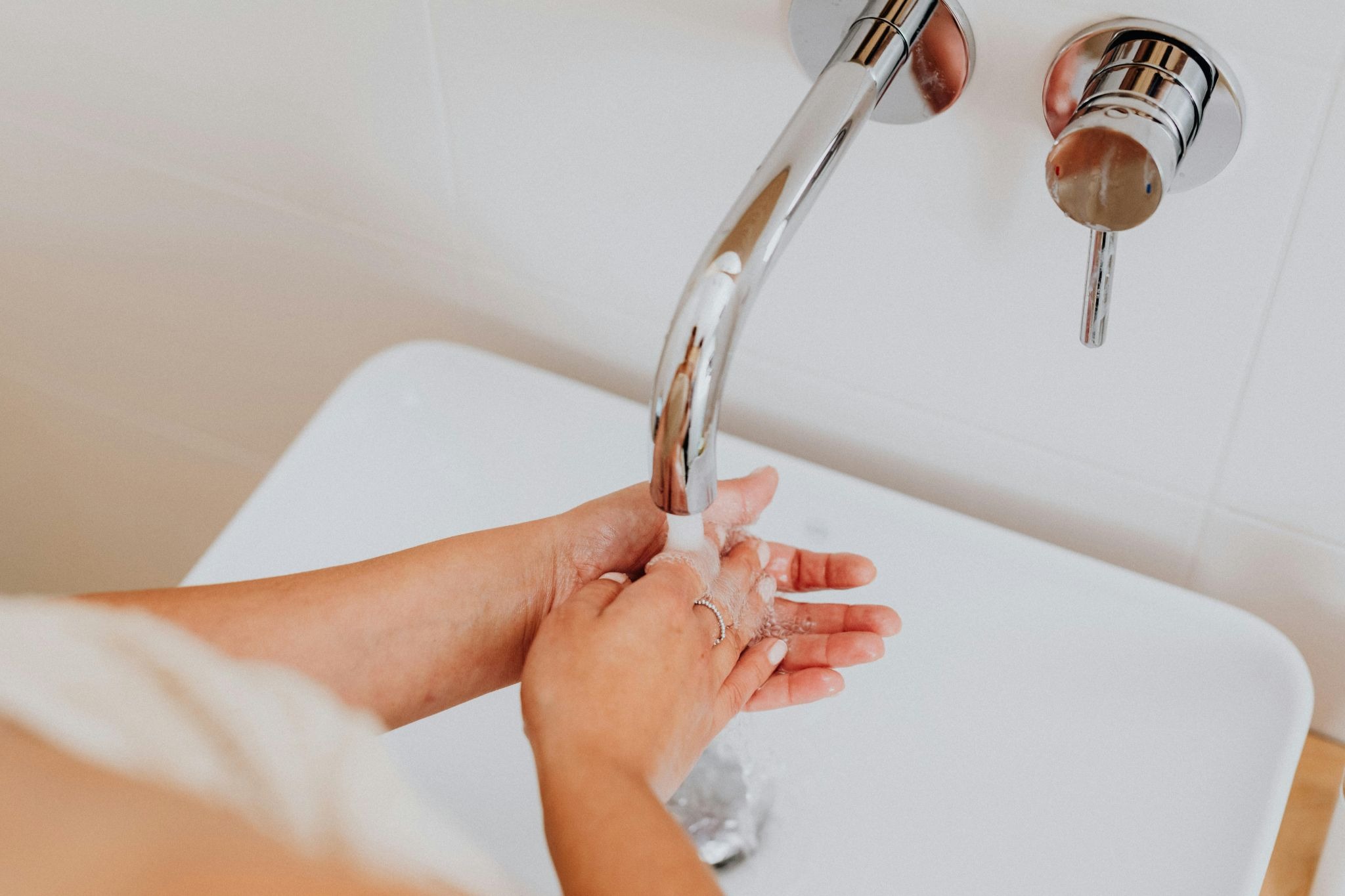

The difference between cleanliness and hygiene is simple: cleanliness means removing visible dirt, mess, stains and waste, while hygiene means reducing the risk of illness, infection or contamination through safe habits, proper cleaning methods and good personal practices. A place can look clean but still be unhygienic if germs, bacteria, poor handwashing, unsafe food handling or contaminated surfaces are not properly controlled.
The difference between cleanliness and hygiene matters because the two words are connected but not identical. Cleanliness is what you can often see. Hygiene is about what you may not see but still need to manage.
For example, a kitchen counter may look clean after crumbs are wiped away. But if raw food bacteria remain on the surface, the counter is not hygienic. A workplace toilet may look tidy, but if there is no soap, poor ventilation or overflowing sanitary waste, hygiene standards are still weak. A desk may look neat, but if shared keyboards, phones and door handles are rarely cleaned, germs can still spread.
Understanding the difference between cleanliness and hygiene is useful in homes, offices, schools, healthcare settings, food businesses, cleaning jobs, and general workplace management. It helps people move beyond “looking tidy” and think more seriously about health, safety and wellbeing.
Quick Overview
This article explains the difference between cleanliness and hygiene in simple terms, showing that cleanliness is about visible dirt and mess, while hygiene is about reducing health risks, contamination and infection. It also shows why a place can look clean but still be unhygienic if handwashing, food safety, surface cleaning or waste control are weak. The article uses workplace examples to make the distinction practical and easy to understand.
Key Areas Covered:
✅Difference between cleanliness and hygiene, with clear examples from kitchen, toilets, desks and workplaces.
✅Cleanliness vs hygiene explained through the idea that cleanliness is visible order and hygiene is hidden risk control.
✅Hygiene meaning workplace, including handwashing, toilets, soap, drinking water and safe habits.
✅Hygiene importance, covering infection prevention, workplace wellbeing and reducing contamination risks.
✅Workplace hygiene standards, including toilets, wash basins, waste removal, cleaning routines and ventilation.
✅Sanitation vs cleaning, showing why wiping away dirt is not the same as sanitising or disinfecting surfaces.
Cleanliness Meaning
Cleanliness means the state of being free from visible dirt, dust, rubbish, stains, clutter and unpleasant mess. This is a key part of the difference between cleanliness and hygiene because it focuses on what can be seen straight away.
Cleanliness is usually the first thing people notice. When a room is clean, the floor is swept, the surfaces are wiped, the bins are emptied, the furniture is tidy, and there is no obvious dirt or smell. Cleanliness improves appearance and comfort. It also creates a better impression on employees, customers, visitors and clients.
In a workplace, cleanliness can include clean floors, organised desks, empty bins, clear walkways, tidy meeting rooms, fresh-smelling toilets, and well-maintained kitchens or break areas. The Health and Safety Executive explains that workplace cleanliness includes clean floors, stairs, premises, furniture and fittings, suitable waste containers, removal of dirt and refuse, and prompt clearing of spillages.
Cleanliness is important because it helps prevent accidents and keeps spaces pleasant to use. A cluttered floor can cause trips. A wet floor can cause slips. Overflowing bins can create bad smells and attract pests. Dusty workstations can make the environment feel neglected. Even if these issues do not always cause illness directly, they affect safety, comfort and professionalism.
However, cleanliness alone is not enough. A surface may look clean but still carry harmful microorganisms. That is why the difference between cleanliness and hygiene goes a step further.
Hygiene Meaning
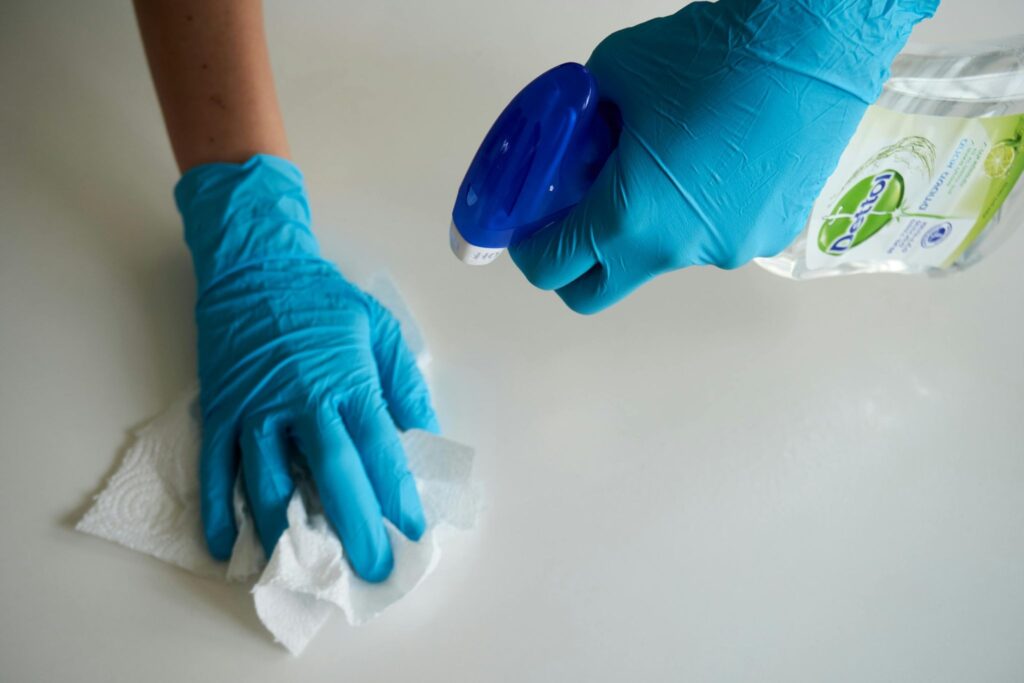
Hygiene means the practices that help protect health by preventing the spread of germs, infection, contamination and disease. This is the health-focused side of the difference between cleanliness and hygiene.
Hygiene includes cleaning, but it also includes behaviour. It covers handwashing, safe food handling, proper waste disposal, use of personal protective equipment where needed, safe cleaning methods, disinfection where appropriate, and keeping facilities suitable for health and wellbeing.
In a workplace, hygiene means employees have access to toilets, hand basins, soap, hand drying facilities, drinking water, clean rest areas and somewhere suitable to eat. HSE guidance says workers must have access to toilets and hand basins with soap and towels or a hand dryer, drinking water, somewhere to store clothing and somewhere to rest and eat meals.
The key difference is that hygiene is more focused on health protection. Cleanliness may make a place look good. Hygiene makes it safer to use.
For example, washing your hands after using the toilet is hygiene. Storing food at the correct temperature is hygiene. Using separate cloths for toilets and kitchen surfaces is hygiene. Cleaning a wound properly is hygiene. Disinfecting high-touch surfaces in a healthcare or food setting is hygiene. These actions are not only about appearance; they reduce health risks.
This is why hygiene meaning workplace usually includes both environmental hygiene and personal hygiene. The workplace must be clean, but employees must also follow safe habits.
Cleanliness vs Hygiene Explained
The phase cleanliness vs hygiene explained is useful because it highlights the core distinction clearly. Cleanliness is about visible order and removal of dirt, while hygiene is about health protection and reducing harmful contamination.
The easiest way to understand the difference between cleanliness and hygiene is to think of cleanliness as the first level and hygiene as the deeper level. Cleanliness removes what you can see. Hygiene deals with the risks you may not see.
A clean desk has no clutter, dust or rubbish. A hygienic desk is also regularly wiped, especially if shared by different people. A clean kitchen has no dirty plates or crumbs. A hygienic kitchen also separates raw and ready-to-eat food, cleans surfaces properly and prevents cross-contamination. A clean bathroom looks tidy. A hygienic bathroom has soap, hand drying facilities, safe waste disposal and regular cleaning of toilets, taps and handles.
This distinction matters because visible cleanliness can create false confidence. People may assume that because something looks tidy, it is safe. But hygiene requires proper methods, not just visual improvement.
In food settings, this difference is especially important. The Food Standards Agency explains that cleaning removes harmful bacteria, viruses and parasites that may be present on food preparation areas. It also says effective cleaning helps stop harmful bacteria from spreading onto food.
That point shows why “looking clean” is not always enough. A worktop with no visible dirt may still need proper cleaning to reduce contamination risk.
Sanitation vs Cleaning
Cleaning removes dirt, grease, food waste and visible contamination, while sanitation or disinfection reduces harmful microorganisms to safer levels depending on the setting and method used.
The phrase sanitation vs cleaning is often used in workplaces such as restaurants, healthcare settings, gyms, salons, schools and offices. It is useful because people often treat cleaning and sanitising as the same thing, even though they are different steps.
Cleaning usually comes first. If a surface has grease, dust, food residue or dirt on it, sanitiser may not work properly. The surface needs to be cleaned before it can be sanitised or disinfected effectively.
Sanitising generally means reducing germs to a safer level. Disinfecting usually means using a chemical or process to kill a wider range of microorganisms on surfaces. The exact terminology can vary depending on industry guidance, but the practical lesson is the same: wiping away visible dirt is not always enough where infection or contamination risks exist.
In a standard office, normal cleaning may be enough for many areas, but high-touch surfaces such as door handles, shared keyboards, phones, taps and kitchen surfaces may need more regular attention. In healthcare, hygiene standards are stricter. NHS England’s standard infection control precautions are described as basic measures used by all staff in all care settings to reduce the risk of transmitting infectious agents.
This does not mean every workplace needs hospital-level disinfection. It means cleaning standards should match the risk.

Why Cleanliness Is Important
Cleanliness is important because it improves appearance, comfort, safety, organisation and productivity. This is a major part of the difference between cleanliness and hygiene because cleanliness is often the visible starting point.
A clean environment feels better to work in. People are less distracted by clutter, bad smells or mess. Visitors form a better impression. Employees can find things more easily. Cleaning staff can do their work more effectively when spaces are not overloaded with rubbish or unnecessary items.
In workplaces, cleanliness also reduces common safety risks. Spillages should be cleared promptly because they can cause slips. Rubbish should be removed because it can block walkways, attract pests or create fire risks. Dust, clutter and poor storage can make a workplace feel chaotic and harder to manage.
Cleanliness is also linked to morale. Employees are more likely to feel respected when toilets are clean, kitchens are usable and desks are not surrounded by waste. A dirty workplace can make staff feel ignored. A clean workplace quietly communicates that standards matter.
However, cleanliness must be maintained consistently. A workplace that looks clean only before visitors arrive does not have a strong cleaning culture. Good cleanliness is built through daily routines, proper waste management and shared responsibility.
Why Hygiene Is Important
Hygiene is important because it protects people from illness, infection, contamination and avoidable health risks.
The hygiene importance becomes clear when you think about how many surfaces people touch each day. Door handles, lift buttons, keyboards, desks, phones, taps, kitchen counters, fridges and shared equipment are all contact points. If hand hygiene and surface hygiene are poor, germs can spread more easily.
In workplaces, hygiene also supports attendance and wellbeing. When people come to work ill, fail to wash their hands, use dirty kitchens or ignore cleaning rules, the risk of illness spreading increases. Good hygiene practices help reduce this risk.
Hygiene is especially important in food, healthcare, childcare, beauty, care and cleaning roles. In these environments, poor hygiene can have serious consequences. For example, in healthcare, hand hygiene is a core part of infection prevention. NHS England guidance says hand hygiene should be performed before touching a patient, before clean or aseptic procedures, after body fluid exposure risk, after touching a patient and after touching the patient’s immediate surroundings.
Even in ordinary workplaces, the principle still matters. Clean hands, clean surfaces, safe waste disposal and proper facilities protect everyone.
Workplace Hygiene Standards
Workplace hygiene standards are the practical rules and facilities needed to keep employees, visitors and customers safe, healthy and comfortable. They are the practical expression of the difference between cleanliness and hygiene in day-to-day work.
In the UK, workplace hygiene is closely connected with health, safety and welfare duties. The Workplace (Health, Safety and Welfare) Regulations 1992 cover basic workplace health, safety and welfare issues and apply to most workplaces, with some exceptions such as construction sites, ships and mines.
In practical terms, workplace hygiene standards should cover toilets, washing facilities, drinking water, rest areas, waste removal, cleaning routines, ventilation, safe storage, spill control and personal hygiene expectations. A workplace should not only look tidy; it should provide the conditions people need to stay well.
Good hygiene standards are usually visible through simple things. Toilets are clean and stocked. Hand basins have soap. Bins are emptied before they overflow. Kitchens are cleaned regularly. Food waste is not left out. High-touch surfaces are wiped. Cleaning products are stored safely. Employees know what to do if there is a spill, contamination risk or hygiene problem.
These standards also need to match the workplace. A small office may need a simple daily cleaning routine. A restaurant needs stronger food hygiene controls. A healthcare setting needs infection prevention procedures. A warehouse needs good housekeeping, safe walkways and dust control. A salon needs strict tool and surface hygiene.
Personal Hygiene and Environmental Hygiene
Personal hygiene is about individual habits, while environmental hygiene is about keeping the workplace, equipment and facilities safe and clean. Both are necessary to understand the difference between cleanliness and hygiene properly.
Both are necessary. A workplace can have excellent cleaning staff, but if employees do not wash their hands, leave food waste on desks or misuse shared kitchens, hygiene will still suffer. Equally, employees may have good personal hygiene, but if the employer fails to provide soap, clean toilets or safe waste disposal, the workplace will not meet proper standards.
Personal hygiene includes handwashing, covering coughs and sneezes, wearing clean clothing or uniforms, using PPE where needed, reporting illness where relevant and avoiding behaviours that spread contamination. Environmental hygiene includes cleaning surfaces, maintaining washrooms, removing waste, controlling pests, cleaning shared equipment and keeping facilities safe.
The two work together. For example, handwashing helps prevent germs moving from person to person, while surface cleaning helps prevent germs remaining on shared objects. In food businesses, staff hygiene and surface hygiene both matter. In offices, employees should keep personal desks clean, while employers should ensure shared facilities are properly maintained.

Common Mistakes People Make
The most common mistake is assuming that if something looks clean, it must be hygienic. That is one of the biggest misunderstandings in the difference between cleanliness and hygiene.
This is not always true. A surface can look clean but still carry germs. A kitchen can look tidy but still have unsafe food handling. A toilet can look presentable but lack soap. A workplace can smell fresh but still have poor cleaning practices.
Another mistake is using the same cloth for different areas. For example, using one cloth for toilets and then for kitchen surfaces would create contamination risk. In professional cleaning, colour-coded cloths and equipment are often used to prevent this kind of cross-contamination.
People also sometimes overuse strong chemicals, thinking stronger products automatically mean better hygiene. In reality, safe cleaning depends on choosing the right product, using it correctly, following contact times where relevant, and avoiding dangerous mixtures. More chemical does not always mean safer cleaning.
Another common problem is ignoring high-touch surfaces. Floors and bins are obvious, but germs often spread through hands and frequently touched objects. Door handles, taps, light switches, keyboards, phones and shared kitchen handles should not be forgotten.
How to Improve Both Cleanliness and Hygiene
The best approach is to combine regular cleaning, proper hygiene practices, clear responsibilities and good facilities. This is where the difference between cleanliness and hygiene becomes useful in practice, not just theory.
Cleanliness starts with removing clutter, dirt and waste. Hygiene builds on that by reducing health risks. A workplace should therefore have both a cleaning routine and hygiene expectations.
For example, the cleaning routine may cover floors, bins, desks, kitchens, toilets and shared areas. Hygiene expectations may cover handwashing, food storage, use of cleaning products, reporting illness, cleaning shared equipment and safe disposal of waste.
Managers should make hygiene easy to follow. If soap runs out, staff cannot wash hands properly. If bins are too far away, rubbish may pile up. If cleaning supplies are locked away or unclear, small spills may be ignored. If no one knows who is responsible for the kitchen, it quickly becomes unpleasant.
Employees also need to take responsibility. They should clean up after themselves, report hygiene issues, wash hands properly, avoid leaving food waste, and respect shared spaces. Hygiene works best when it becomes normal daily behaviour rather than something people only think about during inspections.

Cleanliness and Hygiene in Different Workplaces
Different workplaces need different levels of cleanliness and hygiene depending on the risks involved. That is another important part of the difference between cleanliness and hygiene.
An office mainly needs clean desks, safe floors, usable toilets, hygienic kitchens and regular waste removal. A restaurant needs stricter food hygiene, cleaning schedules, pest control, temperature control and prevention of cross-contamination. A hospital needs infection prevention, hand hygiene, equipment decontamination and more detailed cleaning standards. A school needs clean classrooms, toilets, dining areas and infection control habits. A gym needs regular cleaning of shared equipment, changing rooms and showers.
This is why one generic standard does not fit every workplace. The higher the risk, the stricter the hygiene controls should be.
However, the basic distinction remains the same everywhere. Cleanliness removes visible dirt and keeps the environment orderly. Hygiene protects health by controlling contamination and unsafe habits.
Final Thoughts
The difference between cleanliness and hygiene is important because the two terms are often used as if they mean the same thing. They are closely connected, but they are not identical.
Cleanliness is about removing visible dirt, mess, rubbish and stains. It makes a space look tidy, professional and pleasant. Hygiene is about protecting health by reducing the spread of germs, infection and contamination. It includes cleaning, but also handwashing, safe food handling, proper waste disposal, sanitation, disinfection where needed and good personal habits.
A workplace can be clean without being fully hygienic. It can also have hygiene rules that fail because basic cleanliness is poor. The best workplaces understand both.
For employees, this means keeping personal spaces tidy, washing hands properly and respecting shared areas. For employers, it means providing clean facilities, proper welfare arrangements, cleaning routines, safe supplies and clear hygiene standards.
Cleanliness makes a workplace look better. Hygiene makes it safer. When both are maintained together, the result is a healthier, more professional and more productive environment.