Food Safety and Hygiene Rules for Catering Staff in the UK
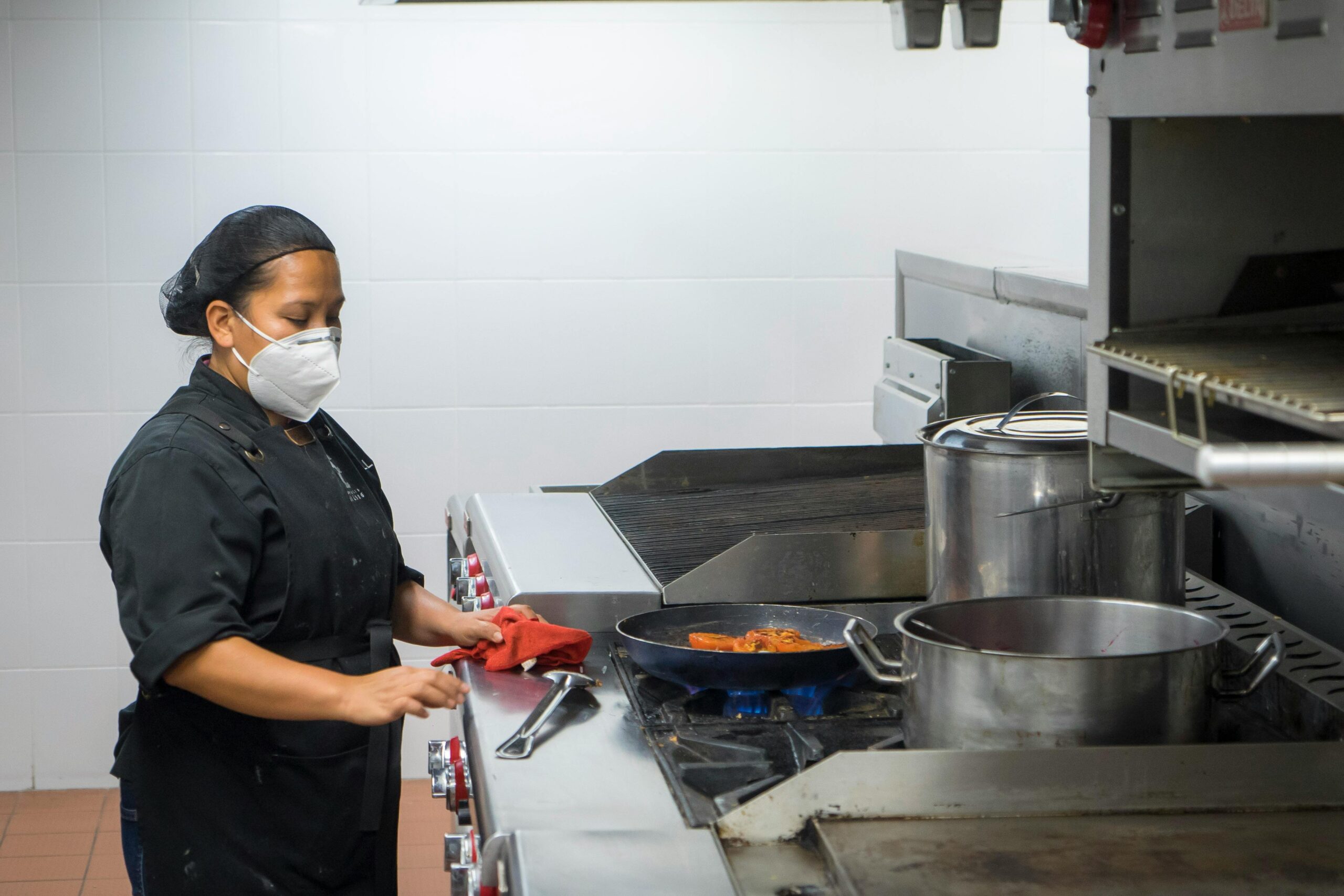

Good food safety and hygiene rules are essential for every catering business in the UK. Whether you work in a restaurant, café, school kitchen, hotel, care home, takeaway, canteen or event catering team, food safety and hygiene rules must be handled safely from delivery to service.
food safety and hygiene rules are not only about passing inspections. It is about protecting customers, staff and the business. Poor hygiene can lead to food poisoning, allergic reactions, pest problems, complaints, low hygiene ratings and legal trouble.
The Food Standards Agency explains that the four main parts of food safety and hygiene rules to remember for good food hygiene are the 4Cs: cleaning, cooking, chilling and cross-contamination. Food businesses should also follow HACCP principles to maintain proper food safety compliance and strong catering hygiene standards.
For catering staff, food safety and hygiene rules means simple daily habits matter. Washing hands correctly, storing food safely, preventing cross-contamination, following kitchen cleaning procedures and maintaining proper hygiene practices catering staff are expected to follow can prevent serious problems.
Overview
The guide explores practical daily food safety and hygiene rules such as handwashing, preventing cross-contamination, temperature control, allergen management, food storage, cleaning and record keeping. It also highlights the importance of catering hygiene standards, food hygiene training UK, kitchen cleaning procedures and strong hygiene practices catering teams should follow everyday.
Key Areas Covered:
✅The importance of food safety and hygiene rules in UK catering businesses.
✅Proper handwashing and personal hygiene procedures.
✅Safe cooking temperatures and food preparation checks.
✅HACCP systems and food safety compliance record keeping.
✅Importance of food hygiene training UK for catering staff.
✅How strong catering hygiene standards improve safety and professionalism.
✅Waste management and pest prevention procedures
Quick Answer: What Are the Main Food Safety and Hygiene Rules?
The main food safety and hygiene rules for catering staff are:
| Rule | Why it matters |
| Wash hands properly | Prevents germs spreading to food |
| Keep raw and ready-to-eat food separate | Reduces cross-contamination |
| Cook food thoroughly | Kills harmful bacteria |
| Keep chilled food cold | Slows bacterial growth |
| Keep hot food hot | Prevents unsafe temperature drops |
| Clean and disinfect surfaces | Reduces contamination |
| Use safe food storage | Protects food quality and safety |
| Follow allergen procedures | Helps prevent serious allergic reactions |
| Wear clean clothing and PPE | Supports hygiene and professionalism |
| Record checks properly | Shows food safety compliance |
These rules may sound basic, but professional catering depends on applying food safety and hygiene rules consistently everyday.

1. Wash Hands Properly and Often
Hand hygiene is one of the most important hygiene practices catering staff must follow. Hands can easily transfer bacteria, viruses, allergens and dirt from one surface to another.
Catering staff should follow food safety and hygiene rules by washing hands before handling food, after using the toilet, after handling raw meat or poultry, after touching bins, after cleaning, after coughing or sneezing, after handling money, and after touching phones or personal items.
Handwashing under food safety and hygiene rules should be done with warm water and soap, then hands should be dried properly. Hand sanitiser can support hygiene in some situations, but it should not replace proper handwashing when hands are dirty or contaminated.
In busy kitchens, it can be tempting to rush. But skipping handwashing is one of the easiest ways to spread contamination. A professional kitchen should make handwashing part of the routine, not something staff do only when reminded.
2. Prevent Cross-Contamination
Cross-contamination happens when harmful bacteria, allergens or other contaminants spread from one food, surface or piece of equipment to another. In catering, this is one of the biggest food safety risks. Raw chicken touching salad is a common example of poor food safety and hygiene rules.
The Food Standards Agency includes cross-contamination as one of the 4Cs of food safety and hygiene rules alongside cleaning, cooking and chilling.
The most common example is raw meat touching ready-to-eat food. If raw chicken juices get onto salad, bread or cooked food, bacteria can spread. Since ready-to-eat food may not be cooked again, that can become dangerous.
Preventing cross-contamination is one of the most important food safety and hygiene rules in professional catering.To avoid cross-contamination, catering staff should use separate chopping boards and utensils for raw and ready-to-eat foods, store raw meat below ready-to-eat items, clean and disinfect surfaces between tasks, wash hands after handling raw food, and follow colour-coding rules where used.
Cross-contamination can also involve allergens. For example, using the same tongs for a nut-containing dessert and a nut-free dessert can create a serious risk for someone with an allergy.
3. Cook Food Thoroughly
Cooking food correctly is a key part of food safety and hygiene rules because proper cooking kills harmful bacteria.
High-risk foods such as poultry, burgers, minced meat, sausages, seafood and reheated foods require strict food safety and hygiene rules.
Food should never be judged only by appearance. Strong food safety and hygiene rules require proper temperature checks, safe cooking methods and consistent procedures.
Businesses should include cooking checks within their food safety compliance system so staff understand exactly how food safety and hygiene rules must be followed.
4. Keep Chilled Food Cold
Keeping chilled food cold is one of the most important food safety and hygiene rules because bacteria multiply faster at unsafe temperatures.
Prepared salads, dairy products, desserts, sandwiches and cooked meats all rely on correct food safety and hygiene rules for storage.
To follow proper food safety and hygiene rules, catering staff should:
- Check fridge temperatures regularly.
- Avoid overloading fridges
- Return chilled food quickly
- Store food safely
- Record temperature checks where required
Good preparation planning supports strong food safety and hygiene rules because food spends less time outside refrigeration.

5. Keep Hot Food Hot
Hot food is another important part of food safety and hygiene rules. Hot food is being held for service and must stay hot enough to remain safe. This is especially important in buffets, school meals, hotels, care homes, canteens and event catering.
The Food Standards Agency’s hot holding guidance states that hot food must be kept at 63°C or above, under proper food safety and hygiene rules except for certain exceptions. It also explains that hot holding equipment should not be used to cook or reheat food; food must be cooked thoroughly before hot holding begins.
Buffets, care home, schools and catering services all depend on strong food safety and hygiene rules for hot holding.
Hot holding equipment must not be used for reheating food. Proper food safety and hygiene rules require food to be fully cooked before hot holding begins.
6. Follow Kitchen Cleaning Procedures
Strong kitchen cleaning procedures are a major part of professional food safety and hygiene rules.
Cleaning removes dirt, grease, food debris and some germs. Disinfection then reduces harmful microorganisms on surfaces. Both are essential parts of food safety and hygiene rules.
The Food Standards Agency advises food businesses to follow manufacturer instructions when using cleaning and disinfecting chemicals, including contact times and rinsing where required. It also states that chemicals used on food contact surfaces must be suitable for that purpose.
This is important because spraying a surface and wiping it immediately may not give the disinfectant time to work. Contact time matters. So does using the right product.
Catering staff should clean as they go, especially after spillages, raw food preparation and messy tasks. Worktops, chopping boards, knives, sinks, taps, handles, fridges, ovens, storage shelves and food contact surfaces should all be included in the cleaning schedule.
A clean kitchen is not only about appearance. A kitchen can look tidy but still be unsafe if surfaces are not disinfected properly or equipment is not cleaned between tasks.
Strong kitchen cleaning procedures help maintain proper catering hygiene standards and improve overall food safety compliance.
7. Use Cleaning Chemicals Safely
Safe chemical use is another important part of food safety and hygiene rules.
Cleaning chemicals are necessary in catering, but they must be used safely. Some products can irritate skin, eyes or breathing. Others may be dangerous if mixed incorrectly.
HSE guidance for the catering industry says cleaning products should be stored safely, workplaces should be well ventilated, and staff may need PPE such as protective gloves, aprons and eye protection. It also advises using good work techniques to minimise contact with harmful substances, leaks and spills.
Catering staff should never mix chemicals unless specifically trained and authorised. Products should be kept in labelled containers, used at the correct dilution and stored away from food.
If a chemical splashes into the eyes, spills, or is used incorrectly, staff should follow the workplace procedure and report it.
Chemical safety supports both staff wellbeing and overall food safety compliance.
8. Store Food Correctly
Safe storage is one of the core food safety and hygiene rules in catering.
Food storage is a basic but vital part of catering hygiene standards. Food should be stored in clean, suitable containers, protected from contamination and kept at the correct temperature.
Raw meat, poultry and fish should be stored separately from ready-to-eat food and usually below other foods to prevent drips. Dry goods should be stored off the floor and away from damp, pests and chemicals. Opened items should be covered, labelled and dated according to the workplace procedure.
Stock rotation is also important. The “first in, first out” method helps ensure older stock is used before newer stock. Staff should check use-by dates and best-before dates properly. Food past its use-by date should not be used.
Food storage areas should be clean, organised and easy to inspect. Poor storage breaks food safety and hygiene rules can lead to contamination, waste and pest problems.
9. Understand Allergen Safety
Allergen management is a serious part of food safety and hygiene rules.
Catering staff must never guess allergen information. Correct allergen procedures are essential for proper food safety compliance.
Cross-contact can happen through shared utensils, fryers, surfaces or hands. Good food safety and hygiene rules help reduce these risks.
If unsure, staff should always check before answering customers about allergens.
10. Wear Clean Clothing and Follow Personal Hygiene Rules
Personal hygiene is another key area of food safety and hygiene rules.
Catering staff should wear clean clothing, suitable footwear and any required PPE. Hair should be controlled according to workplace rules, and jewellery should be limited where it creates a hygiene risk.
Staff should not handle food if they are unwell with symptoms that could spread illness, such as vomiting or diarrhoea. Illness reporting is important because one sick food handler can create a serious outbreak risk.
Strong Personal hygiene supports professional catering hygiene standards and includes keeping nails short and clean, covering cuts with suitable waterproof dressings, and avoiding habits such as touching the face, hair or phone while preparing food.
Professional catering is built on trust. Customers cannot see everything that happens in the kitchen, so staff must follow hygiene rules even when nobody is watching.
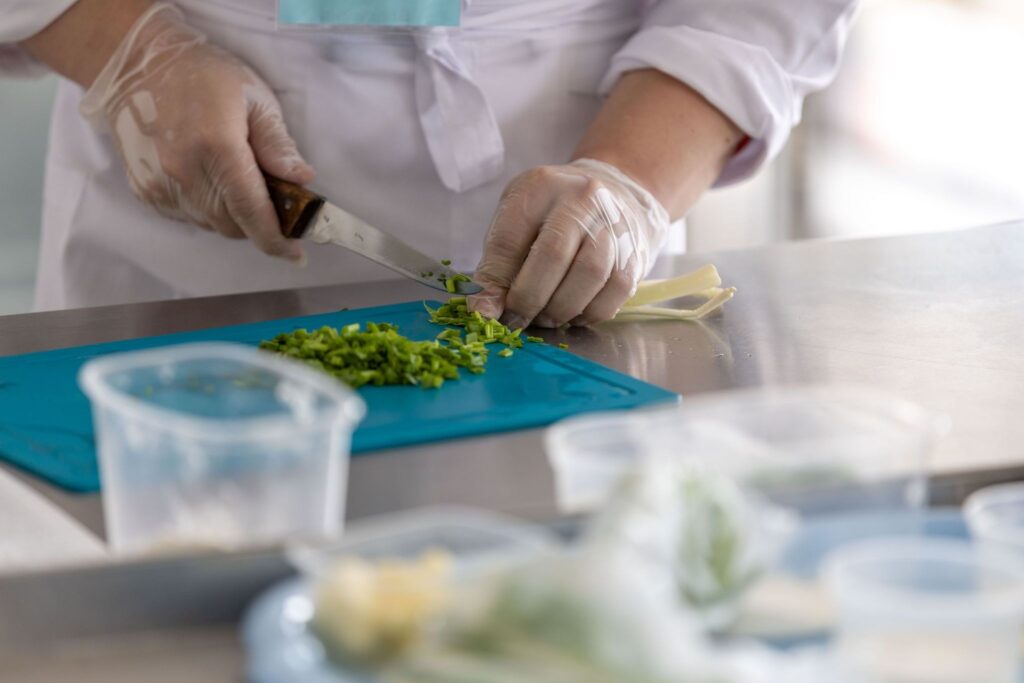
11. Keep Records and Follow HACCP Procedures
Proper records are essential for food safety and hygiene rules.
The Food Standards Agency says food businesses should follow HACCP principles to maintain proper food safety compliance. HACCP means identifying food safety hazards and putting controls in place to reduce risk.
In practice, catering staff may need to complete records for fridge temperatures, freezer checks, cooking temperatures, hot holding, cleaning schedules, delivery checks, pest checks and corrective actions.
Records should be accurate and completed at the right time. Filling them in later from memory is poor practice. If something goes wrong, such as a fridge running warm or food not reaching temperature, staff should record the issue and follow the corrective action procedure.
Good records support inspections, training and daily food safety control.
12. Understand Food Hygiene Ratings
Food hygiene ratings reflect how well businesses follow food safety and hygiene rules.
In England, Wales and Northern Ireland, the Food Hygiene Rating Scheme helps customers check hygiene standards at food businesses. The Food Standards Agency explains that the rating is not a guide to food quality, but to hygiene standards found at inspection.
Catering staff can influence the rating through daily behaviour. Clean kitchens, safe food handling, good records, pest control, correct storage and staff knowledge all matter.
A good hygiene rating is not achieved only on inspection day. It is built through everyday routine. If staff only clean properly when they expect an inspector, standards will not last.
13. Manage Waste and Pest Risks
Waste control is another important area of food safety and hygiene rules.
Waste should be removed regularly and safely. Food waste left too long can cause smells, attract pests and create hygiene risks.
Bins should have liners where required, lids where appropriate and should be emptied before overflowing. Waste should not block walkways or food preparation areas. Outdoor bins should be kept closed and away from open food areas.
Pest risks should be reported immediately. Signs may include droppings, gnaw marks, damaged packaging, unusual smells or sightings of insects or rodents. Staff should not ignore small signs because pest problems can grow quickly.
Food should be stored in sealed containers where needed, and spillages should be cleaned promptly. Good housekeeping supports better catering hygiene standards and safer kitchens.
14. Avoid Common Catering Hygiene Mistakes
Many catering mistakes happen when staff rush or ignore food safety and hygiene rules.
Examples include using the same board for raw and cooked food, wiping surfaces without proper disinfection, leaving chilled food out too long, using hot holding equipment to reheat food, forgetting allergen checks, overfilling fridges, failing to record temperatures, and mixing cleaning chemicals.
Another common mistake is relying on appearance. Food can look fine and still be unsafe. A worktop can look clean and still need disinfection. A fridge can feel cold but still be above the required temperature.
Professional catering requires checks, not guesses.
How Skills Pack Can Help Catering Staff
Skills Pack can help learners understand food safety and hygiene rules, professional catering hygiene standards, proper kitchen cleaning procedures and workplace expectations.
Useful learning areas include food hygiene, cross-contamination prevention, cleaning procedures, allergen awareness, COSHH basics, personal hygiene, temperature control and food safety compliance.
A course does not replace employer-specific training, but it can make you more confident and prepared. It also helps you understand why the rules matter, not just what they are.
Good food hygiene training UK programmes help staff understand why food safety and hygiene rules matter, not only what the rules are.

Conclusion
Strong food safety and hygiene rules are essential for catering staff in the UK. Every food handler must understand cleaning, cooking, chilling and cross-contamination. Staff also need to follow allergen procedures, use chemicals safely, store food correctly, keep records and maintain personal hygiene.
Food safety is not a one-time task. It is a daily routine. Every handwash, temperature check, cleaned surface helps protect customers and support stronger food safety compliance.
With the right training through Skills Pack, strong food hygiene training UK and proper workplace habits, catering staff can maintain excellent catering hygiene standards and safer kitchens everyday.