Housekeeping Safety Rules Every Cleaner Must Know
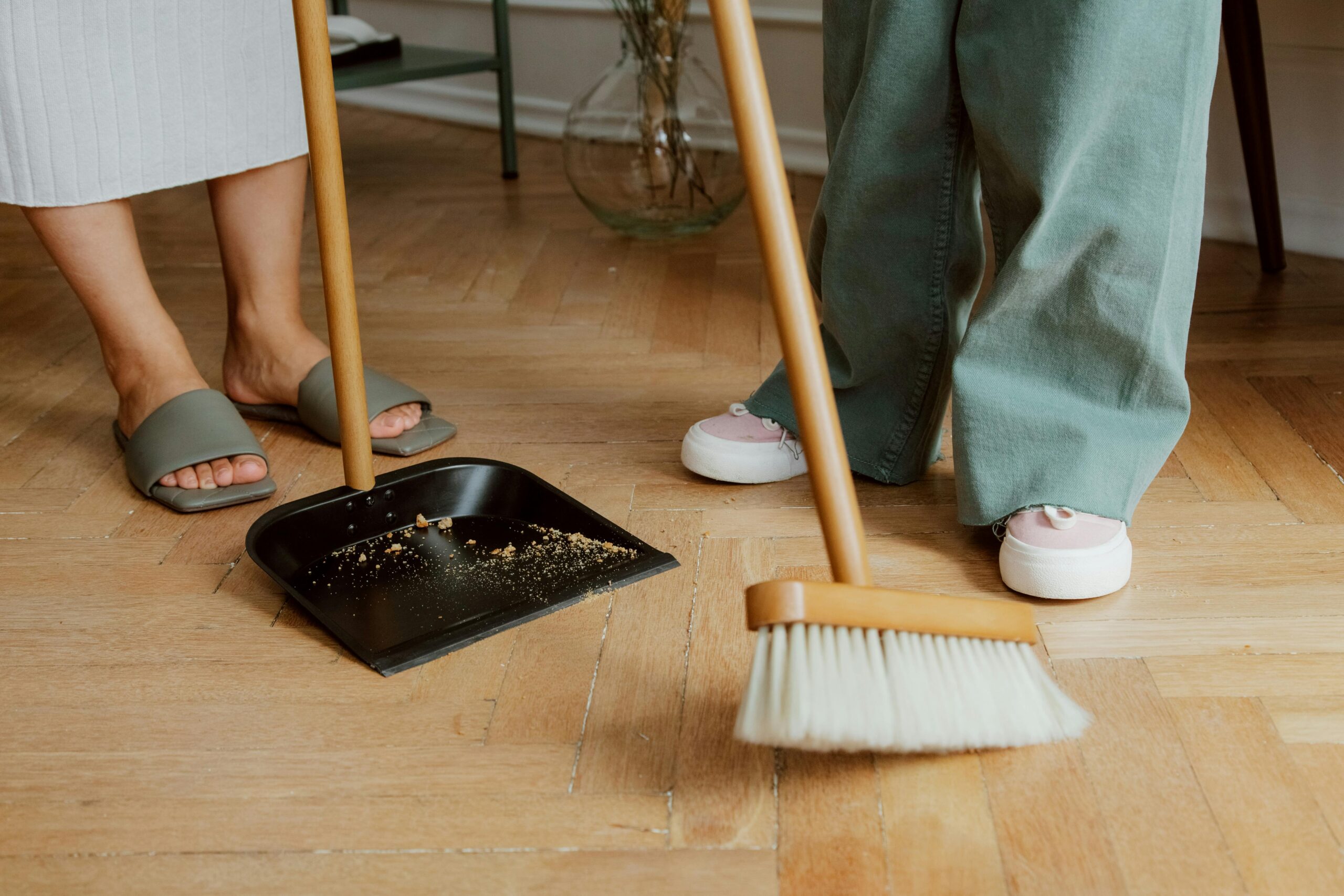

Good housekeeping is not only about making a place look clean. It is about keeping people safe. Whether you clean offices, schools, hotels, care homes, hospitals, warehouses, restaurants or shared residential buildings, the right housekeeping safety rules can help prevent slips, injuries, chemical accidents, equipment damage and avoidable workplace risks.
Cleaners often work around wet floors, electrical equipment, cleaning chemicals, waste, sharp objects, heavy bins, ladders, awkward corners and busy public areas. That means housekeeping safety rules cannot be treated as an afterthought. It has to be part of the cleaning routine from the beginning.
For anyone entering the cleaning sector, proper housekeeping training tips are just as important as learning how to mop, polish or disinfect. A cleaner who understands housekeeping safety rules can protect themselves, protect others and work to better professional cleaning standards.
Overview
This article explains housekeeping safety rules in a practical UK context, showing how cleaners can keep workplaces safe as well as clean. It covers why housekeeping safety rules matter in offices, schools, hospitals, care homes, hotels and other settings, and it emphasises that good cleaning is about preventing accidents, not just making a place look tidy.
Key Areas Covered:
✅Why housekeeping safety rules are essential for preventing slips, trips, chemical incidents and other workplace hazards.
✅How to asses the area before starting work as a part of workplace housekeeping safety.
✅Wearing the right PPE and using it properly.
✅Checking electrical and other tools as part of cleaning equipment safety.
✅Practical housekeeping training tips for new cleaners and learners.
✅Reporting hazards and near misses quickly.
✅Storing equipment and supplies properly to maintain professional cleaning standards.
Why Housekeeping Safety Matters
Housekeeping safety rules matter because cleaning itself can create hazards if it is not done properly. A freshly mopped floor can become a slip risk. A trailing vacuum cable can become a trip hazard. A strong chemical used without proper care can affect breathing, skin or eyes. A heavy bin lifted badly can cause strain or injury.
The Health and Safety Executive (HSE) has specific guidance for the cleaning industry on slips and trips, noting that preventing slip and trip accidents is a key issue in cleaning work. HSE also explains that employers must control exposure to hazardous substances under COSHH where cleaning chemicals or other harmful substances are used. That is why workplace housekeeping safety must be built into daily routines.
This is why housekeeping safety rules should be part of every cleaner’s daily habits. It is not only the employer’s responsibility. Cleaners also need to follow instructions, use equipment correctly, report hazards and avoid shortcuts.

Quick Answer: What Are the Most Important Housekeeping Safety Rules?
The most important housekeeping safety rules are: keep floors dry and clear, use warning signs, handle chemicals safely, wear the right PPE, check cleaning equipment safety before use, avoid unsafe lifting, store tools properly, manage waste carefully, report hazards quickly and follow site procedures.
In simple terms, every cleaner should remember this: clean safely, not just quickly. A job finished fast but done unsafely can create bigger problems for everyone. That is one of the important housekeeping best practices to follow.
1. Always Assess the Area Before You Start
Before beginning any cleaning task, take a quick look around the area. Check whether people are walking through, whether there are cables on the floor, whether the floor is already wet, whether furniture blocks your route, and whether there are any obvious hazards. This is a basic part of housekeeping safety rules.
This does not need to take long. A few seconds of checking can prevent a serious incident.
For example, if you are cleaning a busy reception area, you may need to work in sections rather than mopping the whole floor at once. If you are cleaning stairs, you need to make sure people can still pass safely or that the area is properly controlled. If you are cleaning near electrical sockets, you need to avoid excess water.
This is one of the simplest housekeeping best practices, but many accidents happen when people rush into a task without looking at the environment first.
A good cleaner thinks ahead. They ask: who might walk here, what could go wrong, and how can I make this safer before I start?
2. Prevent Slips, Trips and Falls
Slips, trips and falls are among the biggest risks in cleaning work. Wet floors, loose mats, uneven surfaces, trailing cables, spillages and clutter can all cause accidents. Strong housekeeping safety rules help reduce these risks everyday.
HSE guidance for cleaning work highlights slips and trips as a common risk area and gives advice on preventing these accidents in the cleaning industry. HSE’s general slip and trip prevention guidance also encourages employers and workers to look for hazards such as wet floors, trailing cables, uneven surfaces and spillages.
For cleaners, the practical rules are straightforward:
Use wet floor signs before mopping.
Clean spills quickly.
Keep cables away from walkways.
Do not leave buckets, tools or bags where people can trip.
Dry floors properly where possible.
Report damaged flooring, loose mats or uneven surfaces.
The wet floor sign is not just a formality. It warns people that the floor may be slippery. However, a sign alone is not enough. You still need to work in a sensible way. If a corridor is very busy, clean one side at a time so people can pass safely.
Good cleaning should reduce hazards, not create new ones. That is a core part of workplace housekeeping safety.
3. Use Cleaning Chemicals Safely
Cleaning chemicals can be useful, but they must be handled carefully. Some products can irritate skin, eyes or breathing. Others may be harmful if mixed incorrectly. Even everyday products can become risky if used in the wrong way or in the wrong amount.
COSHH is the key UK framework for controlling substances that may be hazardous to health. HSE explains that COSHH covers harmful substances and requires risks to be identified, assessed and controlled in the workplace. This is one of the most important areas of housekeeping safety rules.
For cleaners, chemical safety means reading labels, following instructions, using the correct dilution, never mixing products unless trained and authorised, and storing chemicals properly.
One of the most important rules is never to mix cleaning chemicals casually. For example, mixing bleach with certain other products can produce dangerous fumes. A cleaner should only use products in the way they have been instructed.
You should also know what to do if a chemical spills, splashes onto skin or gets into the eyes. This is why safety data sheets and workplace procedures matter. They explain the risks, storage rules and emergency steps for each product.
Good cleaning equipment safety includes chemical safety too. A spray bottle, mop bucket or cleaning trolley should be labelled, clean and used only for the correct product.
4. Wear the Right PPE
PPE means personal protective equipment. For cleaners, this may include gloves, aprons, masks, eye protection, non-slip footwear or other protective items depending on the task. PPE is a key part of housekeeping safety rules.
Not every cleaning task needs the same PPE. Wiping a desk may not require the same protection as handling strong disinfectant, cleaning toilets, clearing bodily fluids or dealing with waste. The right PPE depends on the risk.
The important rule is simple: use the PPE provided, and use it properly. Gloves should fit well and be changed when needed. Eye protection should be worn if there is a risk of splashing. Footwear should give proper grip, especially when working on wet floors.
PPE is not a replacement for safe working. It is the last layer of protection. You still need to follow safe methods, use chemicals correctly and avoid unnecessary risk.
Cleaners should also report damaged or missing PPE. If gloves are torn, masks are unavailable or footwear is unsafe, that is not something to ignore. It should be raised with a supervisor.
5. Handle Manual Tasks Carefully
Cleaning can involve a lot of physical work. You may lift buckets, carry supplies, push trolleys, move chairs, empty bins, carry laundry, drag vacuum cleaners or bend repeatedly while cleaning low surfaces. Safe manual handling is a major part of housekeeping safety rules.
Manual handling injuries can happen when loads are too heavy, awkward, unstable or lifted with poor posture. HSE explains that manual handling includes lifting, putting down, pushing, pulling, carrying or moving a load by hand or bodily force, and employers must protect workers from hazardous manual handling risks.
For cleaners, the practical rules are:
Do not lift more than you can safely manage.
Use trolleys where available.
Split heavy loads into smaller loads.
Bend your knees rather than your back where appropriate.
Avoid twisting while lifting.
Ask for help with heavy or awkward items.
This is especially important when emptying large bins, moving furniture or carrying water-filled buckets. A bucket may not look dangerous, but once full, it can become heavy and awkward.
Safe manual handling is one of the most important housekeeping training tips because injuries can build up over time. A cleaner may not notice the strain immediately, but repeated poor lifting can lead to back, shoulder or wrist problems.

6. Check Cleaning Equipment Before Use
Cleaning equipment should be checked before use, especially electrical equipment such as vacuum cleaners, floor buffers, carpet cleaners and extension leads. Cleaning equipment safety is a key part of strong housekeeping safety rules.
HSE states that electrical equipment must be maintained to prevent danger, and the type and frequency of checks depend on the equipment, the environment and previous inspection results.
Before using electrical cleaning equipment, check for obvious damage. Look for cracked plugs, exposed wires, loose connections, damaged casing, burning smells or unusual noises. If something looks unsafe, do not use it. Report it.
You should also use equipment only for its intended purpose. A floor buffer, for example, should only be used by someone trained to control it safely. A vacuum cleaner should not be pulled by the cable. Extension leads should not be overloaded or placed where people may trip.
Cleaning equipment can make work easier, but only when used properly. Unsafe equipment can cause electric shock, fire, trip hazards or injury.
7. Store Tools and Supplies Properly
Good storage is a basic part of workplace housekeeping safety. Cleaning tools should not be left in corridors, doorways, stairwells or fire exits. Buckets, mops, caution signs, chemical bottles and vacuum cleaners should be returned to the correct storage area after use.
Poor storage creates hazards. Someone may trip over a mop bucket. A child or visitor may touch a chemical bottle. A blocked fire exit may slow people down in an emergency.
Professional cleaners should treat the cleaning cupboard or storage room as part of the job, not an afterthought. Products should be labelled. Chemicals should be stored according to instructions. Heavy items should not be placed where they may fall. Equipment should be kept tidy and easy to inspect.
This is one of the easiest professional cleaning standards to maintain. A tidy cleaning area saves time, prevents accidents and makes the whole team look more professional.
8. Manage Waste Safely
Waste handling is a regular part of cleaning, but it should never be treated casually. Cleaners may deal with general rubbish, food waste, sanitary waste, broken glass, sharp objects, chemical containers or contaminated materials depending on the workplace.
The first rule is to know what type of waste you are handling. General office waste is different from clinical waste, sharp waste or chemical waste. In healthcare, care homes, laboratories or food settings, waste procedures may be much stricter.
Do not push rubbish down into a bin with your bare hands. There could be broken glass, needles, sharp packaging or other dangerous items inside. If you see something sharp or hazardous, follow the site procedure rather than trying to handle it without proper protection.
Bags should not be overfilled. Heavy rubbish bags can split or cause injury when lifted. If a bag is too heavy, ask for help or split the waste safely if procedure allows.
Waste should also be taken to the correct disposal area. Leaving bags in corridors, near entrances or beside fire exits can create hygiene, pest and trip hazards.
Safe waste handling is one of the most important housekeeping best practices, especially in workplaces where cleaners may deal with unknown or mixed waste.
9. Keep Fire Exits and Walkways Clear
A clean workplace is not safe if emergency routes are blocked. Fire exits, stairways, corridors and access routes should be kept clear at all times.
Cleaning tools, bags, trolleys and buckets should never be left where they block a route. Even if you only plan to leave them there “for a minute”, that minute could matter in an emergency.
The Health and Safety Executive explains that employers must provide a safe workplace, including safe access and routes. Good housekeeping is part of keeping those areas safe and usable. (hse.gov.uk)
For cleaners, this means thinking carefully about where equipment is placed during the job. If you are cleaning a corridor, position your trolley where people can still pass safely. If you are cleaning near a staircase, do not leave tools on the steps. If you are cleaning near a fire door, do not wedge it open unless site rules specifically allow it for a safe and temporary reason.
Fire safety is everyone’s responsibility. A cleaner may be the person who notices blocked exits, damaged fire doors or items stored in unsafe places. If you see something wrong, report it.
10. Use Ladders and Steps Safely
Cleaners may need to reach high shelves, windows, light fittings, vents or signs. This sometimes involves step stools, ladders or access equipment.
Falls from height can be serious, even from a short distance. The safest approach is to avoid working at height where possible. Use long-handled tools if they are suitable. If you do need steps or a ladder, make sure it is the right equipment for the task and that you have been trained to use it.
Never stand on chairs, desks, bins, boxes or unstable surfaces to reach something. It may seem quicker, but it is unsafe.
Before using steps, check that they are stable and undamaged. Place them on a flat surface. Do not overreach. Keep three points of contact where possible. Do not carry heavy items while climbing.
If the task feels unsafe, stop and ask for guidance. A professional cleaner does not take unnecessary risks to finish a task quickly. This is a part of housekeeping safety rules and professional cleaning standards.
11. Follow Colour-Coding Rules
Many workplaces use colour-coded cleaning equipment to reduce cross-contamination. This means different colours are used for different areas, such as toilets, kitchens, general areas or clinical spaces.
Colour coding helps prevent germs from being spread from one area to another. For example, a cloth used in a toilet should not be used later on a kitchen surface. Even if the cloth looks clean, it may carry harmful bacteria.
The British Institute of Cleaning Science promotes colour-coding systems as a way to reduce the risk of cross-contamination in cleaning practice. (bics.org.uk)
Every workplace may have its own system, so cleaners should follow the site instructions. If you are unsure which cloth, mop or bucket to use, ask before starting. Guessing can create hygiene risks.
This is especially important in healthcare, food preparation, schools, care homes and hospitality settings. Colour coding is a simple habit, but it can make a big difference to hygiene standards and workplace housekeeping safety.
12. Report Hazards and Near Misses
Cleaners often notice workplace hazards before anyone else. You may see leaks, damaged flooring, broken lights, loose cables, blocked exits, faulty equipment, pest signs or unsafe storage while doing your rounds.
Do not ignore these issues. Report them according to the site procedure.
A near miss should also be reported. A near miss is something that could have caused harm but did not. For example, if someone almost slips on a wet floor but catches themselves, that is still useful information. It shows there is a risk that needs attention.
Reporting is not about blaming people. It is about preventing accidents. A workplace can only fix problems it knows about.
This is one of the most important workplace housekeeping safety habits. A cleaner who reports hazards properly helps protect everyone in the building.

13. Work Safely Around the Public
Many cleaners work while other people are still using the building. This could include office staff, hotel guests, patients, pupils, shoppers, residents or visitors.
When cleaning around the public, you need to think about both safety and professionalism. Keep equipment close and controlled. Do not leave chemicals unattended. Use signs where needed. Avoid stretching cables across public walkways. Be polite if people need to pass.
If someone ignores a warning sign or walks across a wet area, do not argue. Stay calm, explain politely and continue following the site procedure. If there is a serious risk, ask a supervisor for support.
In settings such as hospitals, care homes or schools, you may also need extra awareness. Some people may have mobility issues, visual impairments, learning disabilities or health conditions that make hazards more serious. Clear communication and careful working can prevent accidents.
14. Maintain Good Personal Hygiene
Cleaners help maintain hygiene for others, but they also need to protect themselves. Hand hygiene is essential, especially after handling waste, cleaning toilets, using chemicals or touching contaminated surfaces.
Wash hands properly and regularly. Use gloves where required, but remember that gloves are not a replacement for hand hygiene. Gloves can become contaminated too.
Do not eat, drink or touch your face while handling cleaning chemicals or waste. Cover cuts or broken skin before starting work. Report any exposure incidents, such as chemical splashes, needle-stick injuries or contact with bodily fluids.
In healthcare, care and food settings, personal hygiene is especially important because the risk of spreading infection can be higher. But even in offices or commercial buildings, good hygiene protects both cleaners and the people using the space.
15. Follow the Cleaning Schedule and Site Procedure
Every workplace should have a cleaning schedule or set of instructions. This may explain what needs cleaning, how often it should be cleaned, what product to use, what equipment is required and what safety precautions apply.
Following the schedule helps maintain consistent standards. It also prevents mistakes such as using the wrong chemical, missing high-touch areas or cleaning tasks in the wrong order.
In professional cleaning, consistency matters. A cleaner should not rely only on memory or personal preference. Different sites may have different risks, so site-specific instructions should always be followed.
If the schedule seems unclear or unrealistic, raise it with a supervisor. Do not quietly skip tasks or improvise unsafe methods.
Good housekeeping is not just about effort. It is about following the correct method. That is one of the most important housekeeping safety rules and housekeeping best practices.
Cleaning Equipment Safety: Simple Daily Checklist
Before using cleaning equipment, take a moment to check that it is safe and suitable. This is especially important for electrical equipment, machines and tools used in public areas. Good cleaning equipment safety should always be part of your routine.
A simple daily check can include asking whether the cable is damaged, whether the plug looks safe, whether the machine works properly, whether the wheels on the trolley move safely, whether spray bottles are labelled, whether mop heads are clean and whether warning signs are available.
If something is damaged, missing or unsafe, do not use it. Report it.
This habit can prevent electric shocks, trips, leaks, chemical mistakes and poor cleaning results. It also shows professionalism. Cleaners who look after their equipment are more likely to work safely and efficiently.

Housekeeping Training Tips for New Cleaners
If you are new to cleaning work, do not try to learn everything by guessing. Ask questions. Read labels. Follow instructions. Watch experienced staff carefully and take safety procedures seriously. These are practical housekeeping training tips that can help you build confidence early.
A few training habits can make a big difference:
Learn the colour-coding system for your workplace.
Understand the difference between cleaning, sanitising and disinfecting.
Know where safety data sheets and COSHH information are kept.
Practise safe lifting from the beginning.
Learn how to report hazards.
Check equipment before use.
Never mix chemicals.
Use wet floor signs properly.
For learners using Skills Pack, housekeeping safety training can help build confidence before entering cleaning, facilities, hospitality, care home or workplace support roles. Training can explain the rules in a structured way, so you understand not only what to do but why it matters.
Conclusion
The most important housekeeping safety rules are simple, but they must be followed every day. Keep floors safe, use warning signs, handle chemicals carefully, wear the right PPE, check equipment, lift safely, store tools properly, manage waste, keep exits clear and report hazards quickly.
Professional cleaning is not only about appearance. It is about safety, hygiene and trust. A cleaner who follows good safety habits protects themselves, their colleagues, visitors and the people who use the building.
Whether you are new to cleaning or already working in the sector, strong safety habits can improve your confidence and professionalism. With the right training and a careful approach, housekeeping becomes more than a routine task. It becomes an important part of keeping every workplace safe, clean and well managed.