How to Become a PAT Tester in the UK: Training, Qualifications & Career Path
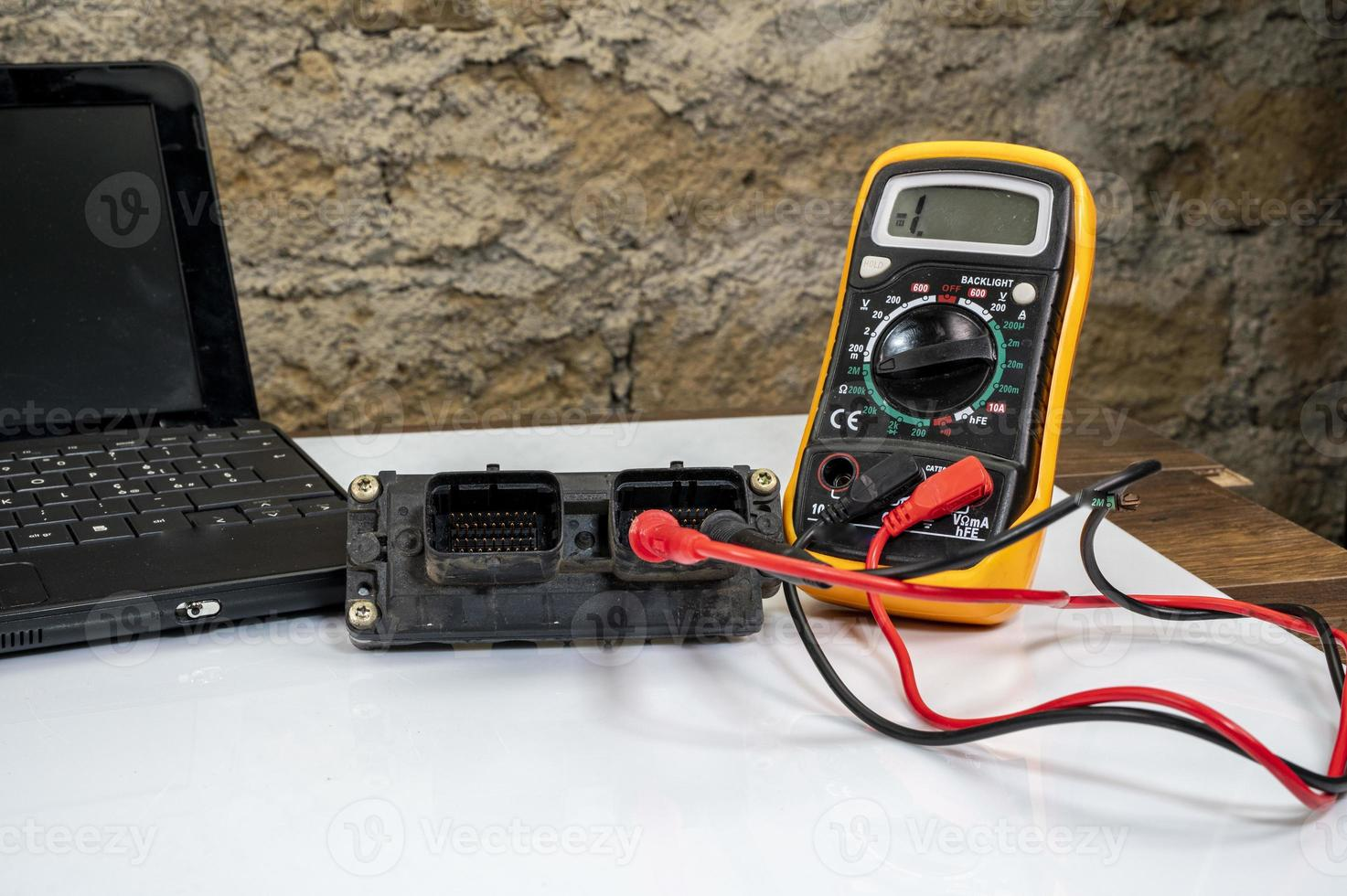

Becoming a PAT tester can offer a practical route into electrical safety, facilities management, or self-employed compliance work. If you are researching how to become a PAT tester in the UK, the most important point is that competence matters more than simply obtaining a quick certificate. You need suitable electrical safety knowledge, practical inspection skills, and enough experience to carry out testing safely and correctly.
Quick Overview
Becoming a PAT tester involves suitable PAT testing training, practical experience and the competence to inspect and test electrical equipment safely and appropriately.
This guide covers:
✅ PAT testing training, qualifications and practical skills
✅ What a PAT tester certificate means
✅ How to carry out a PAT test safely and appropriately
✅ PAT testing equipment, testing frequency and legal requirements
✅ PAT tester jobs, earnings and career opportunities
✅ How to become a self-employed PAT tester and start a PAT testing business
Quick Answer: How Do You Become a PAT Tester?
To become a PAT tester in the UK, you should learn the fundamentals of electrical safety, complete suitable PAT testing training, develop practical inspection and testing skills, and gain hands-on experience. You do not legally have to be a qualified electrician or hold a specific mandatory PAT testing qualification. However, recognised and assessed training, such as City & Guilds 2377-77, can provide stronger evidence of your competence as a PAT tester.
How to Become a PAT Tester: Step-by-Step
If you are wondering how do I become a PAT tester, the process can be divided into five practical stages. Whether you are researching how to become a PAT tester UK professionals can trust or simply want to understand what it takes to become a PAT tester, the following steps provide a useful starting point.
1. Learn the Fundamentals of PAT Testing
Start with the basic principles of electrical safety. You should understand plugs, fuses, cables, insulation, earthing, equipment classes, and the common ways electrical equipment can become unsafe.
You should also understand what PAT testing is not. It is not simply a matter of placing a green sticker on every appliance once a year. Inspection and testing form part of a broader, risk-based approach to electrical equipment maintenance.
2. Choose and Complete a PAT Testing Course
A good PAT testing course should cover visual inspection, equipment classification, test selection, the correct use of testing instruments, and the interpretation of test results.
Anyone researching how to train to be a PAT tester should compare introductory training with formal, assessed qualifications. The current City & Guilds 2377-77 Level 3 Award is one recognised route for people who want structured training in the in-service inspection and testing of electrical equipment.
3. Develop Essential PAT Testing Skills
Learn how to identify visible defects and determine which tests are appropriate for different types of equipment.
PAT testing is not a process where the same automatic test should be applied blindly to every item. Different equipment constructions require different considerations, so a competent PAT tester needs to understand how to select and carry out appropriate tests safely.
4. Gain Hands-On PAT Testing Experience
Practical experience is essential if you intend to work independently as a PAT tester.
This is particularly important if you are researching how to become a PAT tester online. Online learning can teach you the theory, but it cannot, by itself, demonstrate that you can inspect real equipment, operate a PAT tester correctly, and recognise unusual or unexpected results.
Hands-on experience helps you develop the practical judgement needed to carry out inspections and testing safely and effectively.
5. Continue Your Professional Development
Once you become a PAT tester, it is important to continue learning and maintaining your knowledge.
Review HSE guidance, keep up to date with the current IET Code of Practice, and stay familiar with the instructions, capabilities, and limitations of your testing equipment. Continuing professional development can help ensure that your knowledge and practical skills remain current.
What Is PAT Testing?
PAT testing is the commonly used term for inspecting and, where appropriate, electrically testing equipment to check whether it remains safe for continued use. The process may involve user checks, formal visual inspections, and combined inspection and testing, depending on the level of risk.
For anyone considering PAT testing training, it is important to understand that PAT testing is not simply an annual electrical test. A competent PAT tester should be able to assess equipment and determine which type of inspection or testing is appropriate.
Why Is PAT Testing Carried Out?
Electrical equipment can deteriorate through movement, wear and tear, accidental damage, poor repairs, or exposure to harsh environments.
Inspection and testing can help identify faults before they create risks such as electric shock, burns, or fire. Appropriate PAT test training can help individuals develop the knowledge and practical skills needed to identify potential defects and carry out testing safely.
What Are the PAT Testing Requirements?
There is no universal rule requiring every appliance to undergo an annual PAT test.
The dutyholder should use a maintenance regime that is suitable for the equipment and the environment in which it is used. Where technical testing is required, it should be carried out by someone with sufficient knowledge, training, and competence.
If you are asking, “Do you need to be qualified to PAT test?”, there is no single mandatory PAT testing qualification that applies to everyone. However, appropriate training and evidence of competence are important, particularly for anyone carrying out testing professionally. A recognised PAT testing qualification can provide useful evidence of knowledge and competence.
How Often Should You PAT Test?
The frequency of inspection and testing should reflect the level of risk rather than follow a fixed annual schedule. Factors such as how equipment is used, its environment, and its history of faults or damage should all be considered.
| Factor | Effect on inspection or testing |
| Frequently moved equipment | Usually requires closer monitoring |
| Construction or harsh environments | May justify shorter intervals |
| Low-risk office equipment | May need less frequent testing |
| Previous failures or damage | Can justify more frequent checks |
| Equipment that is rarely moved | May justify longer intervals |
The IET’s current approach is deliberately risk-based rather than automatically requiring annual testing. A competent PAT tester should therefore consider the specific circumstances of the equipment and environment when determining an appropriate inspection and testing regime.
What Does a PAT Tester Do?
A PAT tester inspects electrical equipment, carries out suitable tests where required, evaluates the results, and records whether the equipment appears safe for continued use. A PAT test may involve a visual inspection, electrical testing, or both, depending on the equipment and level of risk.
What Is the Role of a PAT Tester?
Typical duties of a PAT tester can include checking plugs, cables, and casings, determining the equipment class, selecting suitable tests, using PAT testing instruments, recording results, and identifying items that should be removed from service.
Anyone considering how to become a self-employed PAT tester should understand that the role involves more than simply operating a testing machine. It requires appropriate knowledge, practical skills, and the ability to assess equipment safely.
Who Can Carry Out PAT Testing?
You do not automatically need to be an electrician to carry out every form of PAT testing.
Straightforward inspection and pass/fail testing can be performed by appropriately trained and competent people. More complex testing and interpretation require a higher level of electrical knowledge and practical experience.
What Makes Someone Competent at PAT Testing?
Competence combines knowledge, training, practical skills, and experience.
A PAT tester certificate can demonstrate that someone has completed a particular training course, but it does not automatically prove competence for every type of appliance or testing situation. Similarly, a PAT testing certificate should be viewed as evidence of training rather than a guarantee of competence in every circumstance.
A competent PAT tester should understand how to inspect equipment, select appropriate tests, use testing instruments correctly, interpret results, and recognise when equipment should be removed from service.
Who Is Responsible for Ensuring Equipment Safety?
The employer or other relevant dutyholder is normally responsible for ensuring that workplace electrical equipment is maintained safely.
Hiring an external PAT tester does not automatically remove all responsibility from the organisation. The dutyholder should ensure that appropriate inspection, maintenance, and testing arrangements are in place and that anyone carrying out PAT testing has the necessary knowledge, training, and competence.
Do You Need a Qualification to Become a PAT Tester?
A formal PAT qualification is not universally required by law. The key requirement is having the appropriate knowledge, skills, training, and competence for the work being carried out.
Do You Need a PAT Testing Qualification?
The answer to “Do you need to be qualified to PAT test?” is therefore not simply yes or no.
There is no universal statutory PAT-testing licence. However, an assessed PAT testing qualification can provide useful evidence that you have completed structured learning and assessment.

If you want to become a PAT tester and work professionally, appropriate training can also help you demonstrate your knowledge and practical understanding to employers or clients.
What Training Do You Need to Become a PAT Tester?
Suitable PAT test training should cover electrical hazards, inspection procedures, equipment classes, test methods, the correct use of testing instruments, interpretation of results, and accurate record-keeping.
People asking how to train to be a PAT tester should check whether their chosen course leads to an externally recognised qualification or simply provides a certificate issued by the training provider.
Similarly, if you are researching how to become a PAT tester online, check exactly what the course includes and whether it provides opportunities to develop or demonstrate practical skills. Online training can be useful for learning the theory, but practical competence is also important for anyone carrying out PAT testing.
How Long Does It Take to Become a PAT Tester?
Some introductory courses can be completed relatively quickly. However, completing a short course is not the same as becoming fully competent.
Someone with previous electrical experience may progress more quickly than a complete beginner. The time required to become a PAT tester will depend on your existing knowledge, the type of equipment you intend to test, the level of training you undertake, and the practical experience you gain.
PAT Testing Legislation and Legal Requirements
PAT testing is an industry term rather than a separate legal regime requiring universal annual tests. The legal duty is to maintain electrical equipment so that it does not give rise to danger.
What Does PAT Testing Legislation Say?
In Great Britain, the Electricity at Work Regulations 1989 provide the central workplace framework for electrical safety.
Regulation 4 addresses electrical systems and maintenance, while Regulation 16 concerns the technical knowledge or experience required where competence is necessary to prevent danger or injury.
Northern Ireland operates under separate but broadly comparable Electricity at Work Regulations.
What Are the Legal Obligations for Electrical Equipment Safety?
Businesses should assess the risks associated with their electrical equipment and use an appropriate maintenance system.
Depending on the equipment, environment, and its history of use or faults, this might include user checks, formal visual inspections, and electrical testing.
A PAT tester should understand these principles and know how to carry out inspections and tests within the limits of their knowledge and competence.
What Are the Penalties for Not Meeting Legal Obligations?
Serious health and safety breaches can lead to enforcement action or prosecution.
A PAT testing certificate does not protect a business if its overall electrical safety arrangements are inadequate. The dutyholder remains responsible for ensuring that suitable systems are in place to maintain electrical equipment safely.
What Skills Do You Need to Become a PAT Tester?
If you are researching how to train to be a PAT tester or considering how to become a PAT tester, developing the right combination of technical knowledge and practical skills is essential.
Electrical Safety Knowledge
Understand common electrical hazards, earthing, insulation, and the different equipment classes. A good understanding of electrical safety provides an important foundation for anyone working as a PAT tester.
PAT Testing and Inspection Skills
Learn how to identify defects, select appropriate tests, use testing equipment correctly, and recognise when a result requires further investigation.
Risk Assessment and Attention to Detail
Small defects can matter. Damaged insulation, poor repairs, cracked casings, or strained cables should not be overlooked.
Record-Keeping and Reporting Skills
Professional testers need to maintain accurate equipment records, test results, and defect reports. Good documentation also helps dutyholders review maintenance arrangements and determine appropriate future inspection and testing intervals.
If you are researching how to become a PAT tester online, remember that online learning can help develop your theoretical knowledge, but practical skills and competence are also important when carrying out PAT testing in real-world situations.
How to Choose the Right PAT Testing Course
A good PAT testing course should provide the right balance of electrical safety knowledge, practical skills, recognised training, and hands-on experience.
What Should a PAT Testing Course Cover?
Look for training that covers visual inspection, equipment construction, electrical hazards, test instruments, test methods, interpreting results, and record-keeping.
If you want to become a PAT tester, choose a course that provides a good balance of theoretical knowledge and practical skills. Anyone researching how to train to be a PAT tester should also check that the course content reflects current guidance and good industry practice.
What Practical Experience Should a PAT Course Provide?
A career-focused course should include opportunities to apply inspection and testing techniques in practical situations.
Purely passive online learning may improve your theoretical knowledge, but it does not substitute for practical experience. If you are considering how to become a PAT tester online, check whether the course offers any practical assessment or opportunities to demonstrate your skills.
What Should You Look for When Comparing PAT Testing Courses?
Check:
- Whether the programme is introductory or formally assessed
- Who issues the final qualification or certificate
- Whether practical testing is included
- How learner support is provided
- Whether the syllabus reflects current IET guidance
Do not assume that every PAT testing certificate has the same status or demonstrates the same level of knowledge and competence.
How to Carry Out a PAT Test
This section provides only an overview. For detailed technical procedures, refer to a dedicated How to Perform a PAT Test guide.
Conduct a Formal Visual Inspection
Inspect accessible parts such as plugs, cables, strain relief, and equipment casings for damage, signs of wear, or unsuitable repairs.
A competent PAT tester should be able to identify visible defects and determine whether further investigation or electrical testing is required.
Carry Out Combined Inspection and Testing
Identify the equipment class and select suitable electrical tests. The appropriate procedure depends on the item’s construction and characteristics.
Testing should be carried out safely using suitable equipment and in accordance with the relevant procedures and guidance.
When Is Specialised Testing Required?
Complex or sensitive equipment may require manufacturer guidance or assessment by someone with a higher level of electrical expertise.
A PAT tester should recognise the limits of their own knowledge and competence and seek further advice when necessary.
What Are PAT Testing Best Practices?
Use suitable testing equipment, follow safe procedures, understand the purpose and limitations of each test being performed, and record results clearly.
Good record-keeping can help demonstrate that appropriate inspection and testing has been carried out and can support future maintenance decisions.
What Are Electrical Classes in PAT Testing?
Class I equipment usually relies on protective earthing. Class II equipment uses double or reinforced insulation, while Class III equipment operates from a safety extra-low voltage supply.
Understanding equipment classes is an important part of learning how to train to be a PAT tester, as different types of equipment may require different inspection and testing considerations.
Safety Switch Testing
RCDs and other protective devices may require separate testing. An ordinary PAT procedure should not be treated as a substitute for electrical installation testing.
A competent PAT tester should understand the distinction between portable appliance testing and electrical installation testing and should only undertake work
What Equipment Do You Need for PAT Testing?
Someone entering the field will usually need a suitable PAT tester, basic inspection tools, and a reliable system for recording test results.
Simple pass/fail testers may be suitable for straightforward work. More advanced instruments provide readings that require interpretation, while downloadable testers can help manage large numbers of assets and keep records organised.
If you are planning to become a PAT tester, choose your equipment according to the type of work you actually intend to undertake. The right equipment will depend on the range of appliances you expect to test and the level of testing you are competent to carry out.
How Much Can a PAT Tester Earn?
A PAT tester’s earnings can vary depending on experience, location, employment type, workload, and whether they work as an employee or self-employed.
What Is the Average PAT Tester Salary?
Indeed reported an average UK PAT tester salary of about £28,464 per year in August 2026. This is an indicative figure rather than a guaranteed salary, and actual earnings can vary depending on the role and circumstances.
What Factors Affect PAT Tester Earnings?
Location, experience, employer, travel requirements, and additional electrical skills can all influence how much a PAT tester can earn.
Self-employed earnings depend on factors such as pricing, the number of clients, operating costs, travel, and workload. Developing additional skills through appropriate training can also help broaden the services you can offer.
How to Find PAT Testing Jobs

Where Can PAT Testers Find Work?
Testing companies, facilities management providers, electrical contractors, and organisations with large equipment inventories may employ PAT testers.
If you are researching how to train to be a PAT tester, consider the types of employers and work available in your area when choosing your training and developing your practical skills.
Is PAT Testing a Good Full-Time Career?
PAT testing can provide full-time work, although many professionals combine it with wider electrical, maintenance, or compliance duties.
If you are considering how to become a PAT tester online, remember that online training can help develop your theoretical knowledge, but practical experience is also important when preparing for professional PAT testing work.
Related technical skills can broaden your long-term employment options and may help you become a PAT tester with a wider range of services and career opportunities.
How to Start a PAT Testing Business
A PAT testing business can be started by gaining suitable training and practical experience, investing in the right equipment, and building a reliable client base.
What Do You Need to Start a PAT Testing Business?
You need suitable competence, testing equipment, record systems, relevant insurance and a realistic pricing model.
Working as a Self-Employed PAT Tester
If you are researching how to become a self employed pat tester, remember that you also need business skills.
You may need to manage appointments, quotations, travel, invoices, equipment maintenance and customer records.
Finding Your First PAT Testing Clients
Potential clients can include offices, landlords, shops, schools and businesses managing significant quantities of electrical equipment.
Avoid marketing services by falsely claiming that all appliances must legally receive annual testing.
Continue Your Professional Development
Why Is Continuing Professional Development Important?
Electrical products, testing equipment, and industry guidance continue to evolve.
Ongoing learning helps a PAT tester maintain their competence, keep their knowledge up to date, and recognise when a particular task falls outside their current level of expertise.
How Can PAT Testers Keep Their Knowledge Up to Date?
Review HSE guidance, use the current IET Code of Practice, follow equipment manufacturers’ instructions, and consider further electrical training where appropriate.
If you want to become a PAT tester or develop your existing skills, continuing professional development can help you stay familiar with current practices and improve your confidence when carrying out inspections and testing.
Why Choose Our PAT Testing Training?
Skills Pack provides flexible online professional development courses and currently offers related health and safety learning covering electrical safety, engineering safety, work equipment hazards, and electrical hazards.
The platform advertises self-paced access, certificates of completion, and learner support across its wider course catalogue. Its membership material also refers to CPD-certified course certificates and access to more than 1,500 courses.
However, a dedicated live Skills Pack PAT-testing course could not be independently verified while researching this guide.
Anyone specifically seeking PAT training should therefore confirm the current course title, syllabus, assessment, practical element, and credential before enrolling. If your goal is to gain a formal PAT testing qualification, check directly whether the programme leads to an award such as City & Guilds 2377-77, rather than assuming that a provider-issued certificate is equivalent.
If you are researching how to train to be a PAT tester, it is particularly important to check what practical training and assessment are included. Similarly, anyone considering how to become a PAT tester online should establish whether the course provides sufficient opportunities to develop and demonstrate practical competence.
Start Your PAT Testing Career Today
The best route into PAT testing is to combine knowledge with practical competence.
Start with suitable electrical safety learning, choose training that reflects current practice, and gain experience using test equipment on different types of appliances.
A course can provide a useful foundation, but professional confidence should come from understanding what you are testing, why you are testing it, how to interpret the results, and when you need to seek more experienced technical support.
Frequently Asked Questions About Becoming a PAT Tester
Can Anyone Become a PAT Tester?
Many people can train to become a PAT tester, but they must develop suitable competence for the type of work they intend to perform. You do not necessarily need a previous career in the electrical industry, although prior knowledge can make learning easier.
Training and practical experience should be appropriate for the complexity of the equipment being inspected and tested.
Do I Need to Be an Electrician to Become a PAT Tester?
No. You do not have to be a fully qualified electrician to perform every type of PAT testing. Straightforward inspection and testing can be carried out by appropriately trained and competent people.
More technically demanding equipment or test results may require someone with greater electrical knowledge, training, and experience.
Do I Need a PAT Testing Qualification?
No single PAT qualification is universally mandated by law. However, an assessed qualification such as City & Guilds 2377-77 can provide stronger evidence of training and knowledge.
Employers may also set their own qualification requirements when recruiting a PAT tester, so it is worth checking the requirements of the type of work you want to undertake.
How Long Does It Take to Become a PAT Tester?
There is no fixed timeframe. Introductory training may take only a short period, but developing practical competence can take longer.
Your previous electrical knowledge, the amount of hands-on training you receive, and the intended scope of your work can all affect how quickly you can work independently as a PAT tester.
How Much Can a PAT Tester Earn?
Indeed reported average UK base pay of approximately £28,464 per year in August 2026. Actual earnings can vary depending on location, employer, experience, and the type of work undertaken.
Self-employed testers may generate different levels of income depending on the number of clients, pricing, workload, travel, and business costs.
Can PAT Testing Be a Full-Time Career?
Yes. Dedicated PAT-testing jobs exist with compliance companies, facilities management providers, and electrical contractors.
Some professionals also combine PAT testing with other electrical, maintenance, or compliance work, which can provide a broader range of employment opportunities.
Can I Start a PAT Testing Business?
Yes. Once you have developed the necessary competence, you can potentially provide PAT-testing services independently.
You should have appropriate insurance, reliable testing equipment, accurate records, and professional business processes. Clients should be given risk-based advice rather than misleading claims about automatic annual testing requirements.
If you are researching how to train to be a PAT tester with the aim of working for yourself, gaining practical experience and understanding your responsibilities as a service provider are particularly important.
How Often Should Electrical Equipment Be PAT Tested?
There is no single legal testing frequency that applies to every appliance. Inspection and testing intervals should reflect factors such as equipment type, environment, frequency of use, previous failures, and the likelihood of damage.
For example, a tool used on a construction site may require much closer attention than office equipment that is rarely moved.
Key Takeaways
- PAT testing helps determine whether electrical equipment remains safe for continued use.
- A PAT tester carries out inspections, suitable testing, and record-keeping.
- UK law does not impose one mandatory PAT qualification on every tester.
- The usual route is to learn electrical fundamentals, complete suitable PAT test training, and gain practical experience.
- A PAT tester certificate or completion certificate does not automatically prove competence.
- Recognised and assessed qualifications can provide stronger evidence of knowledge and training.
- PAT testing can support both employment and self-employed career routes.
- Continuing professional development helps testers maintain current and safe working practices.
- If you are considering how to become a PAT tester online, remember that online learning can provide theoretical knowledge, but practical experience is also important for developing competence.