Infection Prevention Tips for Healthcare Cleaning Staff
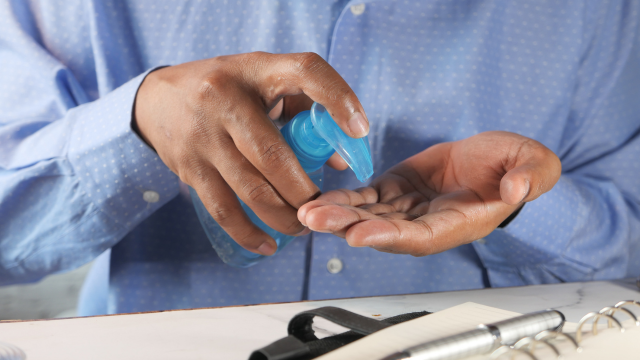

Healthcare cleaning is more than making a ward, clinic or treatment room look tidy. Done properly, it helps reduce environmental contamination and supports the wider systems used to prevent infections spreading between patients, staff and visitors.
That makes infection prevention a central responsibility for healthcare cleaning teams.
Cleaning staff may work around frequently touched surfaces, toilets, bodily-fluid contamination, clinical equipment and areas occupied by patients with known or suspected infections. Their work must therefore follow more demanding standards than ordinary commercial cleaning.
At the same time, infection prevention should not be reduced to “disinfect everything as often as possible”. NHS guidance uses a risk-based approach. Routine cleaning, targeted disinfection, appropriate PPE, hand hygiene, colour-coded equipment and clear local responsibilities all have different roles.
This guide explains practical healthcare cleaning standards, safe disinfection procedures, PPE requirements and the everyday habits that help cleaning staff support infection control UK healthcare services.
What Is Infection Prevention in Healthcare Cleaning?
Infection prevention and control, usually shortened to IPC, is the collection of measures used to reduce avoidable transmission of infectious organisms. Healthcare cleaning contributes by removing dirt, organic matter and microorganisms from the environment and reducing opportunities for organisms to transfer from contaminated surfaces to people’s hands, equipment or other locations.
Cleaning and infection prevention are connected
A visibly dirty environment can provide opportunities for contamination to persist. However, a surface does not need to look dirty to carry microorganisms. Bed rails, door handles, taps and call buttons may appear perfectly clean while still being touched repeatedly by many people. That is why NHS cleaning programmes consider both visible cleanliness and infection risk.
Infection prevention involves more than cleaners
Cleaning staff play an important role, but they do not control infection independently. Effective IPC also depends on:
- hand hygiene;
- safe clinical practice;
- correct use of PPE;
- appropriate patient placement;
- equipment decontamination;
- safe waste and linen handling; and
- appropriate precautions for particular infections.
Environmental cleaning is therefore one part of a wider safety system.
Cleaning is not the same as disinfection
This distinction is fundamental. Cleaning removes dirt, organic material and contamination from a surface, usually through detergent, water and physical action. Disinfection uses an appropriate process or product to reduce or destroy microorganisms to a specified level.
Disinfectant should not automatically be applied to every surface after every routine clean. healthcare cleaning standardsshould follow the approved local cleaning schedule and IPC procedures rather than assuming stronger chemicals are always safer.
Why Healthcare Cleaning Staff Play a Key Role in Infection Control
Cleaning workers often interact with parts of the healthcare cleaning standards environment that many other employees barely notice. A cleaner may deal with a bedside locker, toilet flush, door plate, patient chair, floor, bathroom, waste container and cleaning trolley during the same working period.
High-touch surfaces create transmission opportunities
Hands frequently contact surfaces such as:
- bed rails;
- call bells;
- door handles;
- taps;
- toilet flushes; and
- light switches.
These high-touch surfaces can therefore require particular attention because frequent contact creates more opportunities for microorganisms to transfer.
Cleaning techniques can prevent cross-contamination
Cleaning in the wrong direction can move contamination from one area to another. Good healthcare cleaning practice generally involves working from top to bottom and clean to dirty, with floors cleaned last.
Cleaning solutions should be replaced when dirty or when changing tasks, while cloths and wipes should be managed correctly to prevent microorganisms being transferred between surfaces.
Cleaning staff need relevant information
A cleaner cannot follow enhanced precautions if nobody tells them that an area requires them. Communication between clinical, IPC and cleaning teams is therefore essential.
The cleaner needs to know which procedure applies without being given unnecessary confidential clinical information.
Understanding Healthcare-Associated Infections (HAIs)
A healthcare-associated infection, often described as an HAI or HCAI, is an infection associated with the delivery of healthcare or exposure to healthcare cleaning standards settings. The term is broader than “hospital infection” because people can receive care in hospitals, outpatient departments, community services and other healthcare environments.
Examples monitored in England
Important infections monitored through national surveillance include:
- Clostridioides difficile infection;
- MRSA bloodstream infection;
- MSSA bloodstream infection;
- E. coli bloodstream infection; and
- Klebsiella bloodstream infection.
These infections differ in how they arise and spread, so environmental cleaning is more important for some transmission routes and situations than others.
Why the environment matters
Microorganisms can reach surfaces through hands, bodily fluids, droplets, contaminated equipment and normal interaction with the healthcare environment. If contamination is not removed appropriately, another person may touch the area and contribute to further transmission.
This is why hospital cleaning focuses particularly on frequently handled surfaces and areas where contamination is more likely.
Not every HAI is caused by environmental contamination
This point is important for accuracy and staff culture. Some healthcare-associated infections may involve a patient’s own microorganisms, invasive procedures, antibiotic exposure, transmission from other people or other complex factors.
Cleaning therefore reduces one category of infection risk rather than eliminating every possible source. Effective IPC combines environmental cleaning with hand hygiene, safe clinical practice, equipment decontamination and other appropriate controls.
Essential Infection Prevention Practices for Cleaners
Daily infection prevention depends on performing ordinary tasks consistently.
Follow the local cleaning schedule
Healthcare organisations should define:
- what needs cleaning;
- how it should be cleaned;
- how frequently;
- which staff group is responsible; and
- what additional procedures apply when risk increases.
Cleaning staff should work from those approved schedules rather than personal preference.
The National Standards of Healthcare Cleanliness use functional-risk categories because an intensive clinical area does not require the same frequency as a low-risk office or records area.
Use colour-coded equipment correctly
The national healthcare cleaning colour-coding scheme helps reduce cross-contamination.
It uses:
Red for bathrooms, washrooms, showers, toilets and related areas.
Blue for general areas such as wards, departments and offices.
Green for catering and food-service areas.
Yellow for isolation areas.
The colour system can apply to items such as cloths, mops, buckets and reusable gloves.
A red cloth used in a toilet should not then be used to clean a patient’s bedside table.
Work in the correct direction
The NHS standards recommend cleaning from higher surfaces downwards and from cleaner areas towards dirtier ones.
This reduces the chance of contaminating areas that have already been cleaned.
Damp dusting is generally preferable to dry dusting that disperses material into the air.
Perform hand hygiene
Gloves are not a substitute for clean hands.
healthcare cleaning standards guidance emphasises hand washing as an important infection-control measure.
Soap and water are particularly important where hands are visibly soiled, after contact with bodily fluids and when cleaning areas involving diarrhoea or vomiting, because alcohol hand rub may not be appropriate for all organisms or contamination.
Staff should follow their local hand-hygiene training.
Keep cleaning equipment itself clean
Dirty equipment can become a source of cross-contamination.
Mops, buckets, reusable cloth systems, trolleys and other equipment therefore need appropriate cleaning, storage and maintenance.
Using a clean cloth with a contaminated bucket or trolley undermines the process.
Report problems
Cleaners may notice environmental problems before anyone else.
Examples include damaged flooring, leaking sanitary fittings, overflowing waste, inaccessible surfaces or contamination that requires specialist attention.
Reporting these problems is part of effective healthcare housekeeping rather than something separate from cleaning.
Correct Cleaning and Disinfection Procedures

Cleaning and disinfection should follow the method approved for the particular healthcare cleaning standards setting.
Routine environmental cleaning
Current NHS IPC guidance recommends general-purpose neutral detergent in warm water for routine environmental cleaning, with fresh solution prepared and changed when dirty or when moving between tasks.
Detergent wipes can also be appropriate for surfaces and frequently touched sites within the care environment where included in local procedures.
The physical cleaning action matters.
Simply wiping a surface quickly without removing contamination may not achieve the required result.
Respect disinfectant contact time
Where a disinfectant is required, the product must remain in contact with the surface for the period specified for it to work effectively.
NHS cleanliness standards emphasise that staff should know the relevant contact time for products used locally.
Applying disinfectant and immediately wiping it completely dry may prevent the product working as intended.
Follow manufacturer instructions and local protocols.
Never guess chemical concentrations
Cleaning staff should receive training on preparing approved disinfectants safely.
Using a stronger concentration than instructed does not necessarily make cleaning more effective and can increase chemical exposure, damage surfaces or create other risks.
Chemical use should also follow the organisation’s COSHH assessment.
Do not mix chemicals
Cleaners should use products exactly as trained.
Different cleaning chemicals can react dangerously when mixed.
This is particularly important with chlorine-containing products and other cleaning agents.
Products should stay in correctly labelled containers and be stored according to local procedure and manufacturer requirements.
Blood and body-fluid spills
Blood and bodily-fluid spillages require prompt attention because they may contain infectious microorganisms.
Current NHS IPC guidance requires such spills to be managed by staff who have been trained to do so.
The procedure can involve appropriate PPE, containment and an approved chlorine-releasing or equivalent product depending on the type of spill and local protocol.
Because products and procedures may differ, staff should not improvise their own spill-cleaning method.
Cleaning before disinfection
Organic material can interfere with the effectiveness of some disinfectants.
The required procedure may therefore involve cleaning or removal of visible contamination before or as part of the approved disinfection process.
The exact method depends on the product and circumstance.
The safest rule is to follow the organisation’s approved cleaning protocols rather than applying a generic internet procedure.
Using PPE Safely During Healthcare Cleaning
PPE should be selected according to the task and exposure risk. PPE cleaning is an important part of safe healthcare cleaning, but more PPE is not automatically safer.
Gloves
The NHS healthcare cleaning standards state that suitable protective domestic gloves should be worn for cleaning tasks. They should be intact, suitable for the task and consistent with the national colour-coding system where reusable gloves are used. If cleaning involves chemicals, gloves must provide the required chemical resistance.
Aprons
Disposable plastic aprons should be used where clothing could be splashed. Additional PPE may be required when cleaners enter isolation rooms or carry out higher-risk activities. Staff should follow the local IPC procedure rather than choosing PPE based only on how a room looks.
Eye, face and respiratory protection
Eye, face or respiratory protection is not automatically required for routine healthcare cleaning standards. It may be necessary where there is a risk of splashes, aerosols, chemicals or infectious exposure. Where respiratory protective equipment is required, staff must use the correct type and receive appropriate training and fit testing where relevant.
Remove PPE safely
Contaminated PPE can transfer microorganisms to hands, clothing or nearby surfaces if removed incorrectly. Cleaning workers should be trained in the correct method for putting on and removing PPE. Reusable items, such as eye protection, must be decontaminated according to approved instructions.
Remember hand hygiene
Removing gloves does not mean the procedure is finished. Hands can become contaminated during glove removal, so appropriate hand hygiene should follow PPE use. Effective PPE cleaning practice means correct selection, use, removal, disposal or decontamination—not simply wearing gloves throughout the shift.
Managing High-Risk Areas in Healthcare Facilities

Different healthcare areas have different levels of environmental risk. healthcare cleaning standards procedures should therefore reflect the location, activity and potential for contamination.
Isolation rooms
Patients may be isolated because of particular infectious risks. Cleaning teams need clear instructions about:
- required PPE;
- dedicated or colour-coded equipment;
- cleaning frequency;
- disinfectant requirements;
- waste and linen procedures; and
- terminal cleaning after the patient leaves.
The exact precautions depend on the organism and local IPC instructions. Isolation cleaning should never be based on guesswork.
Toilets and sanitary areas
Bathrooms and toilets can receive heavy use and may become contaminated with bodily material. Red cleaning equipment is assigned to these areas under the national colour-coding system. Appropriate cleaning and disinfection should be carried out according to local procedures and the level of use.
High-frequency touchpoints
Frequently handled surfaces deserve particular attention. Examples include door handles, bed rails, call bells, taps, toilet flushes, bedside furniture and shared controls. Cleaning frequency should reflect the local risk category and cleaning specification.
Treatment and procedure areas
Areas where procedures take place may require higher cleanliness standards and closer monitoring. Responsibilities between cleaning and clinical staff should be clear. Environmental cleaners may be responsible for floors and general surfaces, while clinical teams may remain responsible for specific patient-care equipment.
Outbreak areas
During an outbreak, routine procedures may need enhancement. Cleaning frequency, touchpoint cleaning and disinfection requirements may be reviewed with IPC leadership according to the organism involved. Staff should follow the specific outbreak procedure issued by the healthcare cleaning standards organisation.
Common Infection Prevention Mistakes to Avoid
Some mistakes happen because staff work quickly, while others result from unclear procedures.
Using one cloth across several risk areas
Using the same cloth across different areas can transfer microorganisms. Follow colour coding, cloth-change procedures and local cleaning methods.
Wearing the same gloves for too long
Gloves can carry contamination just like hands. They should be changed or managed appropriately between tasks according to local instructions. Wearing gloves does not prevent cross-contamination by itself.
Disinfecting without cleaning properly
Applying disinfectant to visible dirt does not automatically produce a safely decontaminated surface. Follow the required cleaning sequence before or as part of disinfection.
Ignoring contact time
Disinfectants need sufficient contact time to work as intended. Staff should understand the instructions for the products they use.
Mixing cleaning chemicals
Cleaning chemicals should not be mixed unless an approved procedure specifically requires preparation in a prescribed way. Unsafe mixing can cause dangerous chemical reactions.
Missing touchpoints
Large floors and walls may receive attention because they are easy to see, while frequently touched smaller surfaces can be overlooked. A room may look clean while handles, switches or call bells remain contaminated.
Cleaning from dirty to clean
Cleaning from dirtier areas towards cleaner areas can transfer contamination. Work systematically from cleaner areas towards dirtier areas.
Treating PPE as a substitute for technique
Gloves and aprons cannot correct poor cleaning techniques, unsafe chemical handling or inadequate hand hygiene. PPE is one part of a wider infection prevention system.
Failing to report damaged environments
Cracked surfaces, torn furnishings and damaged equipment can become difficult to clean effectively. Cleaning teams should report defects instead of repeatedly trying to compensate for unsuitable surfaces.
Good PPE cleaning practice combines appropriate PPE with correct cleaning methods, hand hygiene, safe chemical handling and effective infection prevention procedures.
Key Takeaways
Effective infection prevention in healthcare cleaning standards depends on consistent technique, clear responsibilities and risk-based procedures.
Healthcare cleaners help reduce environmental contamination by following approved healthcare cleaning standards, paying particular attention to frequently touched surfaces and preventing contamination from being transferred between areas.
Important principles include cleaning from top to bottom and clean to dirty, using colour-coded equipment correctly, maintaining hand hygiene and following local cleaning schedules.
Routine cleaning and disinfection are not identical. Current NHS IPC guidance does not recommend indiscriminate routine disinfection of every healthcare cleaning standards surface. Disinfection procedures should be used where the approved cleaning specification, infection risk, spill procedure or IPC guidance requires them.
PPE should also match the task. Gloves are important for healthcare cleaning, while aprons and additional protection depend on splash, chemical and infection risks.
Ultimately, cleaners are part of the wider healthcare team. Good NHS hygiene depends on cooperation between cleaning staff, clinical teams, IPC professionals, facilities managers and other employees.
FAQ
Why is infection prevention important in healthcare cleaning?
Healthcare environments contain patients who may be more vulnerable to infection and surfaces that are touched frequently by many people.
Appropriate cleaning reduces environmental contamination and helps limit opportunities for microorganisms to spread.
Cleaning is therefore an important part of IPC, although it works alongside hand hygiene, clinical precautions, equipment decontamination and other measures.
What PPE should healthcare cleaners wear?
The appropriate PPE depends on the task.
NHS cleanliness guidance states that suitable protective domestic gloves should be used for healthcare cleaning tasks.
Disposable aprons are recommended where clothing could be splashed.
Eye protection, respiratory protection, waterproof clothing or other PPE may be required for particular chemicals, infectious risks or specialised tasks.
Cleaners should follow local risk assessments, COSHH guidance and IPC procedures rather than using one identical PPE set for every job.
What is the difference between cleaning and disinfecting?
Cleaning physically removes dirt, organic material and microorganisms from surfaces, commonly using detergent and mechanical action.
Disinfection uses an appropriate agent or process to reduce or destroy microorganisms.
Routine healthcare cleaning does not always require additional disinfectant.
NHS IPC guidance specifies situations where disinfectants are appropriate, and local cleaning protocols should determine exactly what staff use.
How can cleaners prevent healthcare infections?
Cleaners can reduce transmission risk by working systematically, following cleaning schedules and giving appropriate attention to high-touch surfaces.
They should use correctly colour-coded equipment, practise hand hygiene, manage gloves appropriately and follow specific isolation or spill-cleaning procedures.
They should also report contamination, damaged surfaces and other problems that prevent effective cleaning.
What areas require extra cleaning attention?
The answer depends on local risk assessment and the healthcare service.
High-frequency touchpoints commonly require additional attention, including bed rails, call bells, handles, switches, taps and toilet controls.
Isolation rooms, toilets, treatment areas and locations affected by outbreaks can also require enhanced cleaning arrangements.
The NHS National Standards use functional-risk categories so frequencies can be adjusted according to the environment rather than applying one schedule everywhere.
Do healthcare cleaners need infection control training?
Yes.
NHS healthcare cleanliness guidance states that robust training is essential because cleaning forms part of the overall IPC process.
Cleaners need to understand their roles and local procedures, including matters such as hand hygiene, PPE, cleaning methods, chemicals, spillages, isolation cleaning and cross-contamination prevention.
Training should also be updated where procedures or risks change.
How often should healthcare areas be disinfected?
There is no single universal disinfection frequency for every healthcare area.
In fact, current NHS guidance does not recommend routine disinfection of the entire environment as a default.
Cleaning and disinfection schedules depend on the functional-risk category, the surface, the patient population, local IPC policy, contamination and whether an outbreak or particular infection requires enhanced precautions.
Organisations should follow at least the safe cleaning frequencies contained within the national standards and increase them where risk assessment requires it.
What are common cleaning mistakes in hospitals?
Common mistakes include using contaminated equipment between areas, overlooking high-touch surfaces, ignoring disinfectant contact time, mixing chemicals, poor hand hygiene and wearing contaminated gloves across multiple tasks.
Other problems include unclear responsibility between clinical and cleaning teams and failure to follow enhanced procedures during isolation or outbreaks.
Strong hospital cleaning requires both practical skill and consistent communication.
Conclusion
Effective infection prevention depends on healthcare cleaning staff understanding not only what to clean but why particular methods are required.
Good healthcare cleaning standards focus on preventing cross-contamination, prioritising high-frequency touchpoints and matching cleaning frequency to the risk of the area. Correct cleaning protocols also distinguish ordinary detergent cleaning from circumstances requiring additional disinfection procedures.
For staff working in healthcare housekeeping, the fundamentals remain powerful: use the correct equipment, work from clean to dirty, maintain hand hygiene, follow colour coding and never improvise with chemicals. Appropriate PPE cleaning practices add another layer of protection, but PPE should support rather than replace good technique.
Strong infection control UK healthcare environments also require teamwork. Cleaning staff need timely information about isolation and outbreak precautions, while managers must provide suitable training, products, PPE and clear responsibility frameworks.
For Skills Pack learners developing knowledge of NHS hygiene and hospital cleaning, these principles provide a useful introduction to professional practice. Training can build understanding, but cleaners must ultimately follow the current policies, risk assessments and IPC instructions of the healthcare organisation in which they work.