Professional Cleaning Checklist for Hotels and Offices
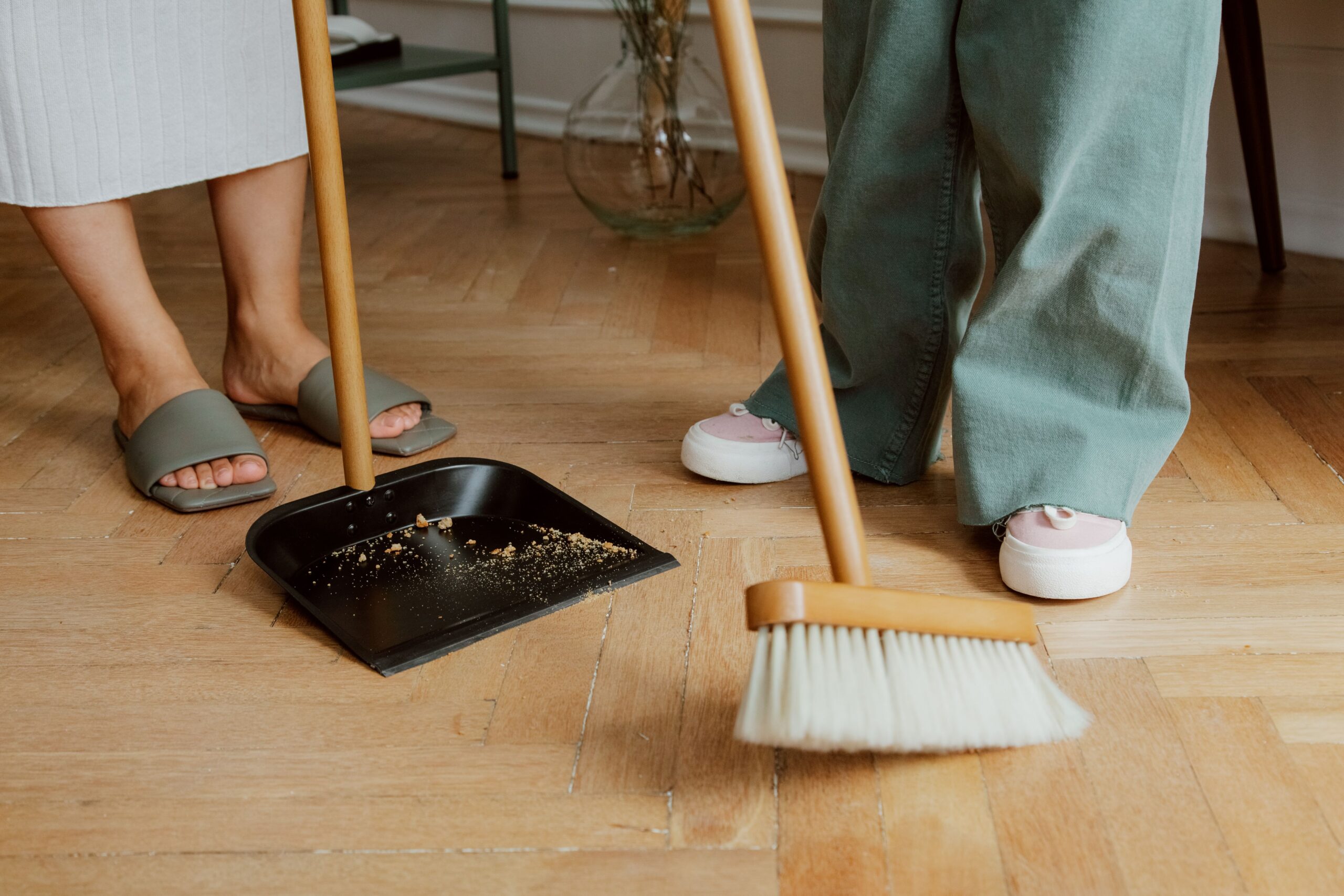

A professional cleaning checklist helps cleaners work consistently, safely and to a clear standard. Whether you are cleaning a hotel, office, reception area, washroom, meeting room or staff kitchen, a professional cleaning checklist makes sure important tasks are not missed.
In hotels, cleaning affects guest comfort, hygiene, reviews and brand reputation. In offices, cleaning supports staff wellbeing, workplace presentation and daily productivity. In both settings, cleaners need more than speed. They need a clear workplace cleaning routine, safe chemical use, attention to high-touch surfaces and proper waste handling.
A good professional cleaning checklist should cover daily, weekly and periodic cleaning tasks. It should also include safety checks, because cleaning can create risks if wet floors, cables, chemicals or equipment are not managed properly. HSE guidance for the cleaning industry highlights slips and trips as a key risk area, while COSHH rules apply where cleaning substances may be hazardous to health.
Overview
This article compares the different cleaning expectations between hotels and offices, showing how hotel housekeeping procedures focus heavily on guests’ experience, while office cleaning standards focus more on employee wellbeing, hygiene and workplace organisation. It can also explain how a clear workplace cleaning routine helps cleaners complete tasks consistently without missing important areas.
Key Areas Covered:
✅Importance od using a professional cleaning checklist.
✅Differences between hotel and office cleaning requirements.
✅Daily guest room and hotel housekeeping procedures.
✅Kitchen and breakout area cleaning procedures.
✅Daily office cleaning routines and office cleaning standards.
✅Creating a structured workplace cleaning routine.
✅Using a cleaning maintenance guide for long-term upkeep.
Quick Answer: What Should a Professional Cleaning Checklist Include?
A professional cleaning checklist should include entrance areas, floors, bins, toilets, kitchens, desks, high-touch surfaces, glass, furniture, equipment, storage areas and safety checks.
For hotels, the professional cleaning checklist should also include guest rooms, bathrooms, beds, corridors, lifts, public areas, dining spaces and laundry touchpoints. For offices, the professional cleaning checklist should include workstations, meeting rooms, reception areas, staff kitchens, washrooms, shared equipment and waste points.
The aim is simple: clean the right area, at the right time, with the right product, using the right method.
Why Hotels and Offices Need Different Cleaning Standards
Hotels and offices may both need a professional cleaning checklist, but the focus is slightly different.
In hotels, cleaning is part of the customer experience. Guests notice bedding, bathroom hygiene, smells, dust, stains, bins, mirrors and floors almost immediately. A room can be beautifully decorated, but if it feels unclean, the guest experience suffers.
In offices, cleaning is more about maintaining a safe, organised and comfortable workplace. Employees may use the same desks, chairs, kitchens, toilets, meeting rooms and shared equipment every day. Poor cleaning can affect morale and increase hygiene concerns, especially around high-touch surfaces and shared spaces.
That is why office cleaning standards and hotel housekeeping procedures should be written clearly. Cleaners should know what needs to be cleaned daily, what needs deeper cleaning weekly, and what requires periodic maintenance.

Daily Office Cleaning Checklist
Office cleaning should focus on hygiene, presentation and safe access. The most important areas in a professional cleaning checklist are entrances, desks, floors, bins, toilets, kitchens and shared touchpoints.
A daily office professional cleaning checklist should include emptying bins, replacing liners where needed, wiping desks and surfaces where permitted, cleaning reception counters, sanitising door handles, cleaning shared equipment, vacuuming or mopping floors, restocking washroom supplies and checking kitchen areas.
High-touch surfaces need particular attention. These may include door handles, lift buttons, light switches, handrails, taps, fridge handles, microwave buttons, shared phones, printer controls and meeting room tables.
Floors should be cleaned safely. Wet floor signs should be used where needed, and trailing cables or cleaning equipment should not be left where people can trip. HSE cleaning guidance specifically focuses on preventing slip and trip accidents in cleaning work, so floor safety should always be part of the workplace cleaning routine.
Daily Hotel Room Cleaning Checklist
Hotel room cleaning needs to be detailed because guests expect the room to feel fresh, private and properly reset.
A daily guest room professional cleaning checklist should include opening curtains or blinds, checking for damage, removing rubbish, stripping or making beds according to procedure, replacing towels where required, dusting surfaces, wiping high-touch points, vacuuming or mopping floors, cleaning mirrors and checking that amenities are correctly placed.
High-touch points in hotel rooms include door handles, light switches, TV remotes, telephones, desk surfaces, wardrobe handles, kettle handles, taps and toilet flush buttons. These areas should not be ignored because guests touch them frequently.
The bathroom needs special attention. Toilets, sinks, taps, shower screens, baths, mirrors, floors and handles should be cleaned using the correct products and cloths. Cleaning teams should avoid cross-contamination by following colour-coding rules where the workplace uses them. The British Institute of Cleaning Science promotes colour-coding systems as a way to reduce the risk of cross-contamination in cleaning practice.
Washroom Cleaning Checklist
Washrooms are one of the highest-priority areas in both hotels and offices. A clean washroom supports hygiene, comfort and professional presentation.
A washroom professional cleaning checklist should include toilets, urinals, sinks, taps, mirrors, door handles, cubicle locks, hand dryers, soap dispensers, sanitary bins, floors, walls near handwashing areas and waste bins.
Supplies should be checked regularly. This includes toilet paper, hand soap, paper towels, hand sanitiser and sanitary disposal arrangements where applicable.
Odour control is also important. A washroom may look clean but still feel unpleasant if ventilation, bins or drains are not managed properly.
Cleaners should use the correct chemicals and PPE. Toilet cleaning products, disinfectants and descalers should be used according to instructions, and products should not be mixed. COSHH guidance from HSE explains that harmful substances in cleaning work need to be controlled, including safe use, storage and handling.
Kitchen and Breakout Area Cleaning Checklist
Office kitchens, staff rooms and hotel service areas need careful cleaning because food, drinks and shared equipment can create hygiene risks.
A daily kitchen professional cleaning checklist should include worktops, sinks, taps, cupboard handles, fridge handles, microwave buttons, kettle handles, tables, chairs, floors and bins. Food waste should be removed promptly, and any spills should be cleaned quickly.
In hotel dining or food preparation areas, cleaning procedures need to follow food hygiene expectations. The Food Standards Agency says chemicals used to clean and disinfect food contact surfaces must be suitable for food contact surfaces, and businesses should follow manufacturer instructions, including contact times and rinsing where required.
This matters because not every cleaning product is suitable for food areas. Using the wrong product on a food-contact surface may create a contamination risk.
For general office kitchens, the same practical idea applies: use the right product, clean before sanitising or disinfecting, and do not leave chemical residue where people prepare or consume food.

Reception and Public Area Cleaning Checklist
Reception areas create the first impression. In hotels, they tell guests what standard to expect. In offices, they affect visitors, clients and staff.
Reception cleaning should include floors, entrance mats, glass doors, counters, seating, tables, plants, display stands, lift areas, handrails and high-touch surfaces.
Glass should be checked for fingerprints and smudges. Seating should be straightened and inspected for crumbs, stains or litter. Entrance mats should be vacuumed or cleaned because they collect dirt and moisture from outside.
In bad weather, entrances may need more frequent attention. Rainwater can make floors slippery, especially around doorways. Wet floor signs and regular checks can reduce the risk.
For hotels, public areas may also include lounges, corridors, lifts, staircases, toilets, restaurants and waiting areas. These should be checked throughout the day, not only once.
Floor Cleaning Checklist
Floor cleaning should always combine appearance with safety. A floor can look clean but still be unsafe if it is wet, slippery or cluttered.
A proper floor professional cleaning checklist should include vacuuming carpets, sweeping hard floors, mopping spills, removing stains, checking entrance mats, placing warning signs and reporting damaged flooring.
Cleaners should use the correct method for each floor type. Carpet, vinyl, tile, laminate, wood and stone may all require different products and equipment. Using the wrong chemical or too much water can damage surfaces or create slip risks.
HSE guidance on slips and trips in cleaning work makes floor cleaning a major safety issue, so cleaners should never treat wet floors casually. Warning signs should be used, but the cleaning method itself should also reduce risk.
In offices, floor cleaning is often best planned around staff movement. In hotels, cleaning teams may need to work around guests, luggage and service trolleys.
High-Touch Surface Hygiene Checklist
High-touch surfaces are areas that many people touch throughout the day. These surfaces can collect dirt, oils and microorganisms quickly.
In offices, high-touch points include door handles, shared phones, keyboards where cleaning is permitted, printer buttons, lift buttons, light switches, kitchen appliances, taps and meeting room tables.
In hotels, they include room keys or cards, lift buttons, handrails, reception counters, TV remotes, light switches, door handles, taps, toilet flush buttons and bedside controls.
A good hygiene checklist should identify these points clearly so cleaners do not rely on memory. In busy buildings, high-touch points may need attention more than once a day.
Cleaning teams should also understand the difference between cleaning, sanitising and disinfecting. The right method depends on the risk, surface and workplace procedure.
Weekly Deep Cleaning Checklist
Daily cleaning keeps spaces usable. Weekly deep cleaning helps maintain higher standards and prevents dirt from building up.
In offices, weekly tasks in a professional cleaning checklist may include cleaning skirting boards, chair legs, vents, internal glass, high shelves, cupboard fronts, fabric seating, partition tops and less-used corners.
In hotels, weekly tasks may include deeper bathroom descaling, under-bed checks, mattress rotation where required, curtain or blind dusting, upholstery cleaning, corridor detail cleaning and deeper floor maintenance.
Weekly cleaning should also include checking areas that are easy to miss. These might include behind bins, under furniture, around door frames, inside drawers where permitted, light fittings and air vents.
A weekly cleaning maintenance guide supports long-term cleanliness. It also helps avoid the problem of “surface clean” rooms that look acceptable at first glance but feel neglected over time.
Monthly and Periodic Cleaning Checklist
Some tasks do not need to be done daily or weekly, but they should still be planned. If they are not scheduled, they are often forgotten.
Monthly or periodic professional cleaning checklist may include carpet extraction, floor polishing, window cleaning, deep upholstery cleaning, curtain cleaning, high-level dusting, machine scrubbing, external entrance cleaning and deep cleaning of storage areas.
In hotels, periodic tasks may also include deep cleaning guest rooms, cleaning behind heavy furniture, checking mattresses, deep cleaning bathrooms and refreshing public areas.
In offices, periodic tasks may include cleaning IT rooms where authorised, archive areas, meeting room equipment, staff lockers and large communal spaces.
A good cleaning maintenance guide should clearly show how often these tasks are required and who is responsible for them.

Cleaning Equipment Safety Checklist
Cleaning equipment should be safe, clean and fit for purpose. Damaged equipment can cause injury or poor cleaning results.
Before using equipment, cleaners should check cables, plugs, wheels, handles, tanks, mop heads, vacuum bags, filters and warning signs. Electrical equipment such as vacuum cleaners and floor machines should not be used if there are exposed wires, cracked plugs, loose parts or unusual smells.
HSE explains that electrical equipment should be maintained to prevent danger, and the type and frequency of checks depend on the equipment and working environment.
Cleaning machines should only be used by trained staff. A floor buffer, carpet extractor or scrubber dryer can be difficult to control if someone has not been trained properly.
Equipment should also be cleaned after use. Dirty mop heads, cloths and buckets can spread contamination instead of removing it.
Chemical Safety Checklist
Cleaning chemicals must be used carefully. Every cleaner should know which product to use, how much to use, whether dilution is required, what PPE is needed and what to do if there is a spill.
Important chemical safety rules include reading labels, following instructions, never mixing chemicals, using PPE, keeping products in labelled containers and storing chemicals securely.
COSHH applies where cleaning substances may be hazardous to health. HSE cleaning guidance explains that cleaning products should be stored safely, workplaces should be ventilated, good work techniques should be used, and PPE may be required depending on the task.
Contact time also matters. If a disinfectant needs to stay wet on a surface for a certain period, wiping it away immediately may reduce its effectiveness. The Food Standards Agency specifically advises food businesses to pay attention to contact times when using cleaning and disinfecting chemicals on food contact surfaces.
Waste Management Checklist
Waste should be removed safely and regularly. In offices, this usually includes general waste, recycling, food waste, confidential paper waste and sanitary waste. In hotels, it may also include guest room waste, bathroom waste, food service waste and housekeeping trolley waste.
Bins should be emptied before they overflow. Liners should be replaced where required. Waste should not be pushed down by hand because sharp objects or broken glass may be inside.
Rubbish bags should not be overfilled. Heavy bags can split or cause manual handling injuries. Waste should be taken to the correct disposal area and should not block walkways, fire exits or service corridors.
In hotels, cleaners should also follow lost property procedures. Not everything left in a room is rubbish. Items such as jewellery, chargers, documents or clothing should be handled according to hotel policy.
Professional Cleaning Checklist Template
A simple daily professional cleaning checklist for hotels and offices can look like this:
| Area | Tasks |
| Entrance/reception | Clean glass, counters, seating, floors and high-touch points |
| Floors | Vacuum, sweep, mop, remove spills, use signs where needed |
| Desks/tables | Wipe surfaces where permitted and reset furniture |
| High-touch points | Clean handles, switches, buttons, rails and shared equipment |
| Washrooms | Clean toilets, sinks, taps, mirrors, floors and restock supplies |
| Kitchens/break rooms | Clean worktops, sinks, appliances, tables, bins and floors |
| Bins/waste | Empty, reline, remove waste safely and clean bin areas |
| Hotel rooms | Clean bathroom, bed area, surfaces, floors, mirrors and amenities |
| Public areas | Check corridors, lifts, stairs, lounges and shared spaces |
| Safety | Report hazards, damaged equipment, spills or blocked exits |
This professional cleaning checklist template should be adapted for the building. A hotel, office, clinic or school will not have the exact same cleaning requirements.
How Skills Pack Can Help
Skills Pack can help learners build practical cleaning and housekeeping knowledge for hotel, office, facilities and workplace support roles. A good cleaning course can help you understand professional cleaning standards, hygiene procedures, chemical safety, equipment use, colour coding, COSHH basics and workplace safety.
For beginners, training can make cleaning work feel more structured. Instead of guessing what to do, you learn why each step matters. For people already working in cleaning, training can improve confidence and support career growth into supervisory or facilities roles.
A professional cleaning checklist is useful, but training is what helps cleaners understand how to apply it properly.
Conclusion
A professional cleaning checklist is essential for hotels and offices because it creates consistency, safety and accountability. It helps cleaners know what to clean, when to clean it and how to maintain proper hygiene standards.
For offices, the focus is on workstations, shared spaces, washrooms, kitchens, reception areas and high-touch surfaces. For hotels, the focus also includes guest rooms, bathrooms, corridors, lifts, public areas and guest-facing presentation.
The best cleaning routines are not only about appearance. They also include safety, chemical control, equipment checks, waste handling and hygiene procedures. With the right professional cleaning checklist and proper training through Skills Pack, cleaners can deliver a safer, more professional and more reliable standard of service.