Safe Waste Disposal Procedures in Healthcare Facilities
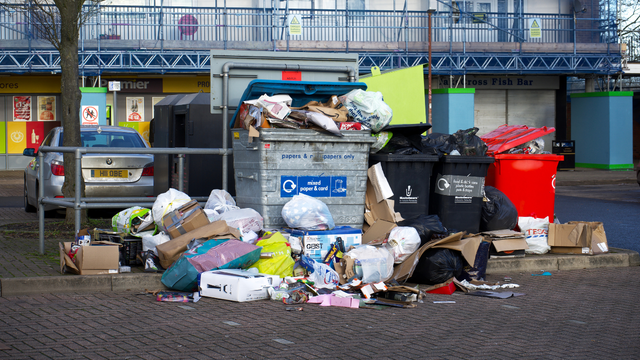

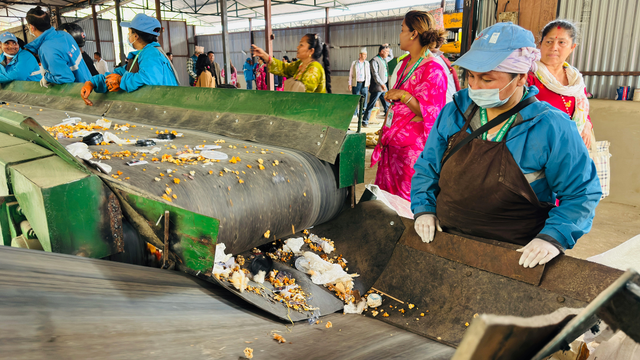
Safe healthcare waste disposal is an essential part of infection prevention, occupational safety and environmental protection. Hospitals, clinics, GP surgeries, dental practices, care settings and other healthcare services generate waste ranging from ordinary packaging to infectious dressings, medicines, sharps and anatomical material. These wastes cannot all be handled in the same way.
The central principle is segregation. Waste should be identified and placed into the correct container as close as possible to where it is produced. A used needle belongs in an appropriate sharps container, for example, rather than being placed temporarily on a tray and sorted later. Similarly, a non-infectious incontinence product should not automatically enter the same high-temperature treatment stream as infectious clinical waste.
Effective clinical waste management therefore combines correct classification, colour-coded segregation, safe handling, appropriate PPE, secure storage, authorised transport and documented disposal.
This guide explains practical waste segregation UK healthcare waste disposal facilities use, sharps disposal, hazardous waste disposal, infection control UK requirements, storage and transportation, and the wider healthcare compliance responsibilities involved in managing waste safely.
What Is Healthcare Waste Disposal and Why Is It Important?
Healthcare waste is waste generated during healthcare, treatment, diagnosis, nursing, dentistry, pharmacy, laboratory work and related activities. In other words, it includes clinical, medical or healthcare-related waste produced during patient care and associated services.
Some healthcare waste disposal is little different from ordinary commercial waste. Cardboard packaging from an uncontaminated supply box, for example, may be suitable for recycling.
Other waste presents much greater risks. A used injection needle can cause a sharps injury and potential exposure to blood-borne viruses. A dressing contaminated with infectious material may expose workers to microorganisms. Certain medicines and chemicals can harm people or the environment if they enter an inappropriate waste stream.
Safe healthcare waste disposal, also called medical waste management or clinical waste disposal, is therefore important for several reasons.
Protecting Patients and Workers
Poor waste handling can expose healthcare waste disposal employees, cleaners, porters, waste contractors and patients to infection or injury.
A needle placed inside a soft waste bag, for example, could penetrate the bag and injure the person collecting it. Proper handling and safe disposal help reduce these workplace hazards.
Supporting Infection Prevention
Correct segregation, or waste separation, prevents potentially infectious materials from being left in inappropriate areas or mixed with ordinary waste.
Waste handling is consequently part of wider infection control UK healthcare services need to maintain. Effective segregation supports infection prevention and control by reducing avoidable exposure risks.
Protecting the Environment
Not every healthcare waste disposal item needs high-temperature incineration. Sending ordinary or non-infectious waste into unnecessarily intensive treatment processes increases cost, resource use and carbon emissions.
Correct segregation supports environmental safety and environmental protection by ensuring different materials receive appropriate treatment, recovery or disposal.
Meeting Legal Responsibilities
Healthcare organisations are responsible for the waste they produce. They need systems that meet health-and-safety, environmental and transport requirements and must ensure staff understand the procedures relevant to their work.
Good waste management is therefore an important component of healthcare compliance, regulatory compliance and safe working practice rather than simply a task for the cleaning department.
Types of Waste Generated in Healthcare Facilities
Healthcare organisations produce several distinct types of waste, often described as healthcare waste categories or clinical waste types.
Domestic-Type Waste
This is ordinary waste that has not been contaminated in a way requiring clinical treatment.
Examples can include uncontaminated packaging and general office waste. Where suitable recycling services exist, recyclable materials should be kept separate from residual waste.
Offensive Waste
Offensive healthcare waste disposal is non-infectious but may be unpleasant because it contains body fluids, secretions or excretions.
Examples can include some:
- nappies;
- incontinence products;
- non-infectious dressings;
- disposable protective equipment.
It is normally segregated from infectious clinical waste.
Infectious Clinical Waste
This is waste where an infectious risk has been identified. It may include contaminated dressings, swabs, protective equipment or other materials arising from care.
Correct classification should reflect the actual clinical circumstances rather than assuming that every item used around a patient is infectious.
Sharps
Sharps include items capable of cutting or puncturing the skin, such as:
- needles;
- syringes with attached needles;
- scalpels;
- certain lancets;
- other contaminated sharp instruments intended for disposal.
They require rigid containers designed for sharps rather than ordinary bags. These are often referred to as sharps bins or sharps disposal containers.
Pharmaceutical Waste
Expired, unused or otherwise discarded medicines need separate management. Some pharmaceutical waste has additional hazardous properties and may require specialist disposal.
Cytotoxic and Cytostatic Waste
Medicines with cytotoxic or cytostatic properties require a dedicated waste stream because of their hazardous characteristics.
Items contaminated with those medicines can also require the same specialist stream. This is sometimes described as hazardous pharmaceutical waste.
Anatomical Waste
Human tissues, organs and certain blood products may fall within anatomical waste arrangements requiring specialised containers and treatment.
Chemical and Laboratory Waste
Laboratories and healthcare waste disposal facilities may generate reagents, solvents and other chemicals that need separate classification and treatment.
Understanding which category applies is the first step towards safe waste disposal and proper waste management.
Understanding Healthcare Waste Categories
Colour coding helps staff identify the correct waste stream quickly, but employees should still follow their organisation’s local procedures and training.
A simplified overview used in England is:
| Waste stream | Common healthcare colour | Typical treatment route |
| Infectious waste without pharmaceutical/chemical contamination | Orange | Appropriate alternative treatment |
| Clinical waste with relevant pharmaceutical or chemical contamination | Yellow | Incineration or another authorised process |
| Cytotoxic/cytostatic waste | Purple | Incineration |
| Non-hazardous medicines without sharps | Blue | Approved pharmaceutical treatment |
| Anatomical waste | Red-lidded rigid container | Incineration |
| Offensive non-infectious waste | Yellow/black striped “tiger” bag | Appropriate recovery, energy-from-waste or disposal |
| Ordinary residual waste | Black/clear according to local system | Normal waste route |
| Recycling | Local recycling colour | Recycling |
This illustrates why waste segregation UK, or healthcare waste separation, is so important for healthcare workers.
An orange bag and yellow bag are not interchangeable simply because both contain healthcare waste disposal
Orange Waste
Orange is generally used for infectious clinical waste that does not require disposal because of chemical or pharmaceutical contamination.
This waste can normally undergo an approved alternative treatment process capable of making the infectious material safe.
Yellow Waste
Yellow clinical-waste packaging is used for waste requiring a disposal route suitable for its pharmaceutical or chemical contamination.
Incorrectly placing large volumes of ordinary infectious waste into yellow bags can result in unnecessary incineration and higher treatment costs.
Tiger-Striped Waste
Yellow-and-black striped bags are commonly used for non-infectious offensive healthcare waste disposal.
This distinction can substantially reduce the amount of waste requiring clinical treatment and supports more efficient waste disposal practices.
Purple Waste
Purple identifies waste contaminated with cytotoxic or cytostatic medicines.
It must be kept separate from ordinary medicines and other clinical waste because it requires specialist handling and treatment.
Sharps Containers
Sharps boxes use different lid colours according to their contamination and destination.
Staff should use the container specified by their local procedure for the exact sharp concerned rather than relying on colour memory alone.
This is particularly important where medicines or cytotoxic substances are involved, as correct sharps disposal and waste segregation help protect staff, patients and waste handlers.
Safe Waste Disposal Procedures Step by Step

A safe system begins at the point where waste is created.
Step 1: Identify the Waste
Before discarding an item, consider what it contains and whether it presents:
- infection risk;
- sharps risk;
- pharmaceutical contamination;
- chemical contamination;
- cytotoxic/cytostatic contamination;
- anatomical content.
The waste classification determines its container and treatment route.
Step 2: Segregate It Immediately
Waste should be placed directly into the correct container as close to the point of use as practicable.
Do not leave used sharps, contaminated dressings or medicines on surfaces for someone else to sort later.
Source segregation reduces unnecessary handling.
Step 3: Use the Correct Container
Soft bagged waste should enter the appropriate colour-coded bag.
Sharps should enter a suitable rigid sharps container.
Liquids or other specialist wastes may require leak-resistant containers and additional controls.
Never place a sharp into a standard clinical-waste bag.
Step 4: Do Not Overfill Containers
NHS England’s infection-prevention guidance states that waste bags should normally be no more than two-thirds full and must also remain within the approved weight.
Sharps containers should be closed and removed when the manufacturer’s fill line is reached.
Overfilling creates several risks.
A bag may split, a container may not close properly or a needle may protrude from a sharps box.
Step 5: Close the Packaging Correctly
Waste bags should be securely tied according to the approved procedure.
Containers should be properly closed before movement.
Do not compress bags by hand or push waste down to create additional capacity.
Step 6: Maintain Traceability
Healthcare waste needs to remain traceable to the place it was produced.
Organisations may use labels, tags or other identification systems showing the ward, department or location.
This supports investigations and waste audits when incorrect segregation is identified.
Step 7: Move Waste Safely
Staff moving waste should use approved routes and suitable carts or containers.
Waste bags should not be carried pressed against the body, thrown or dragged across the floor.
Step 8: Transfer to Secure Storage
Waste awaiting collection should enter a designated storage location appropriate to the waste type.
It should not accumulate in corridors, public areas or treatment rooms.
Step 9: Use an Authorised Waste Service
External collection and treatment should be completed through appropriately authorised waste contractors.
The organisation remains responsible for exercising its duty of care rather than assuming responsibility disappears when the waste leaves the building.
Using PPE During Healthcare Waste Handling
PPE for healthcare waste disposal should be selected through risk assessment.
There is no rule that every person touching every waste bag must wear the same combination of equipment.
Gloves
Suitable gloves may be necessary where there is a risk of contact with contaminated materials, chemicals or leaking waste.
The glove type should match the hazard.
Disposable clinical gloves are not automatically suitable for every heavy-duty waste-handling task.
Aprons or Protective Clothing
Disposable aprons or protective workwear may be appropriate where clothing could become contaminated.
Staff carrying out more intensive healthcare cleaning or spill management may need more substantial protection.
Eye and Face Protection
Eye or face protection may be required where splashing is reasonably foreseeable.
This can be particularly relevant when dealing with body-fluid spills.
Foot Protection
Waste handlers may require appropriate footwear where there are risks from liquids, heavy containers or sharp objects.
PPE Does Not Replace Safe Handling
PPE is the final layer of protection rather than a substitute for correct segregation.
A waste handler wearing strong gloves should still never be expected to reach into a clinical-waste bag to remove an incorrectly discarded needle.
The safer system is to prevent the needle entering that bag in the first place.
Hand hygiene should also be performed in accordance with local infection-prevention procedures after waste handling and after removing contaminated PPE where applicable.
Storage and Transportation of Medical Waste
Once waste leaves the immediate care area, it remains subject to controls.
Internal Storage
healthcare waste disposal should be stored in designated areas that prevent unauthorised access and reduce risks from:
- leakage;
- pests;
- weather;
- accidental contact;
- damaged packaging.
NHS infection-prevention guidance calls for designated, safe and lockable storage while waste awaits collection.
Different waste types should remain separated.
Internal Transportation
Hospitals may generate waste on dozens of wards and departments.
Waste therefore needs to be transported safely from those locations to central storage.
Appropriate systems can include enclosed carts or other purpose-designed equipment.
Routes should minimise unnecessary movement through patient or food areas where practical.
External Collection
Waste should only be transferred to organisations authorised to transport and receive it.
Documentation must accurately describe the waste.
This allows everyone in the waste chain to understand what they are handling and which treatment is required.
Dangerous Goods Requirements
Some infectious healthcare waste disposal is classified as dangerous goods for transportation.
For example, certain clinical waste is carried as UN 3291 under ADR arrangements.
Specialist waste contractors should understand the packaging, documentation and transport requirements applicable to the material they carry.
Healthcare organisations still need to package and describe the waste correctly before collection.
What Happens After Collection?
The destination depends on the waste stream.
Infectious orange-bag waste may undergo an approved alternative treatment such as a process that renders the infectious material safe.
Yellow clinical waste requiring incineration follows an appropriate high-temperature treatment route.
Cytotoxic/cytostatic and anatomical materials require specialist treatment.
Offensive waste may be suitable for energy recovery or other authorised disposal routes.
Appropriate uncontaminated materials may instead be recycled.
Correct segregation at the healthcare waste disposal facility therefore determines what happens throughout the rest of the waste journey.
Healthcare Waste Disposal Regulations and Responsibilities
Safe disposal sits at the intersection of several areas of law.
Health and Safety Duties
Employers must protect workers and others from risks associated with healthcare activities.
This includes exposure to infectious material and hazardous substances.
COSHH requirements may apply where biological agents, chemicals or other hazardous substances create exposure risks.
Sharps Regulations
The Health and Safety (Sharp Instruments in Healthcare) Regulations 2013 apply to relevant healthcare waste disposal employers and contractors in Great Britain.
Where use of a medical sharp cannot reasonably be avoided, employers must consider safer sharps and safe working systems.
Used needles should not normally be recapped.
Clearly marked, secure sharps containers should be positioned close to where sharps are used so disposal can occur immediately.
Environmental Duty of Care
Waste producers have continuing responsibilities for the waste they generate.
In England and Wales, section 34 of the Environmental Protection Act 1990 establishes the controlled-waste duty of care.
In practical terms, organisations need to:
- keep waste secure;
- prevent unauthorised or harmful handling;
- accurately describe it;
- transfer it to appropriately authorised parties.
Hazardous Waste Rules
Hazardous waste disposal involves additional controls.
Healthcare organisations need to determine whether waste has hazardous properties and assign the appropriate waste classification.
Pharmaceuticals, chemicals, cytotoxic drugs and infectious materials can all raise specialist classification issues.
When uncertain, healthcare waste disposal facilities should obtain competent waste-management advice rather than guessing which bag or code applies.
Transport Law
Dangerous clinical waste can also fall within carriage-of-dangerous-goods law.
This affects packaging, labelling, documentation and transport arrangements.
UK Differences
Healthcare organisations should avoid assuming that every environmental regulation is identical throughout the UK.
England, Wales, Scotland and Northern Ireland have different environmental regulators and some different statutory arrangements.
For England, the Environment Agency is central.
Natural Resources Wales performs the equivalent environmental regulatory role in Wales.
SEPA regulates environmental waste matters in Scotland, while Northern Ireland has its own environmental regulatory framework.
Healthcare organisations operating across national borders should check the specific rules applying in each jurisdiction.
Common Waste Disposal Mistakes to Avoid
Putting Everything Into Clinical Waste
A glove used in a healthcare waste disposal building is not automatically infectious clinical waste.
Unnecessary clinical-waste classification increases treatment requirements and environmental impact.
Placing Sharps in Bags
Sharps should never be discarded into ordinary soft waste bags.
Use the correct rigid sharps container immediately after use.
Recapping Used Needles
Routine recapping increases the opportunity for needlestick injury and is prohibited under sharps arrangements except in limited risk-assessed circumstances where recapping itself is required for safety and suitable controls are provided.
Overfilling Waste Bags
An overfilled bag can split or be difficult to close.
Stop at the approved fill level.
Overfilling Sharps Containers
A sharps box should be permanently closed when the manufacturer’s fill line is reached.
Do not force one more needle into a full container.
Sorting Mixed Waste by Hand
The solution to poor segregation is better segregation at source—not asking cleaners or porters to search through contaminated bags.
Using the Wrong Colour Stream
Colour errors can send waste to an inappropriate treatment process.
Training and clear bin placement reduce this risk.
Failing to Label Waste
Poor traceability makes it difficult to identify where segregation problems originate.
Leaving Waste in Public Areas
Waste awaiting collection should enter the appropriate secure storage system rather than remaining in corridors or accessible areas.
Assuming the Waste Contractor Has All Responsibility
A healthcare organisation retains duty-of-care responsibilities for its waste.
Selecting an authorised contractor does not remove the need to classify, package and describe waste properly.
Best Practices for Maintaining Healthcare Safety

Effective waste management depends on systems rather than individual memory alone.
Put the Right Containers Where Waste Is Generated
If an appropriate container is far away, incorrect disposal becomes more likely.
Place waste receptacles where staff genuinely need them while maintaining patient and public safety.
Sharps containers should be close to the point of use.
Use Clear Signage
Colour coding works better when bins are also labelled with examples of what should and should not go inside.
Train Staff According to Their Role
Clinical staff, cleaners, porters and waste managers need different levels of knowledge.
Training should cover the waste streams employees actually handle.
Staff developing wider awareness can also use supplementary education such as Skills Pack healthcare and workplace health-and-safety courses, which include topics related to infection prevention, PPE and safe working.
Such learning should complement rather than replace employer-specific waste training.
Include Waste in Healthcare Cleaning Procedures
Healthcare cleaning teams frequently encounter waste during their work.
Their procedures should explain:
- what they can handle;
- what PPE is required;
- what to do with damaged bags;
- how to report sharps;
- how to respond to spills.
Audit Waste Segregation
Audits can reveal recurring mistakes.
For example, a hospital may discover that large quantities of ordinary offensive waste are repeatedly entering infectious-waste bags.
That allows training or container placement to be improved.
Respond to Incidents
If a bag leaks, a sharps injury occurs or waste is found in the wrong location, follow the relevant incident procedure.
Sharps injuries in particular require prompt action because of possible blood-borne-virus exposure.
Connect Waste Management With Infection Control
Waste procedures should align with wider NHS hygiene and infection-prevention arrangements.
Clean areas, dirty areas, hand hygiene, PPE and waste handling are interconnected.
Reduce Waste Where Safe
The safest waste is often waste that was never unnecessarily produced.
healthcare waste disposal providers can consider appropriate reuse, recycling and procurement decisions where patient safety, infection control and product requirements allow.
The NHS Clinical Waste Strategy encourages better segregation partly because unnecessary incineration has financial and environmental consequences.
That makes sustainable waste management part of both operational efficiency and environmental safety.
Key Takeaways
Safe healthcare waste disposal begins with correct classification and segregation at the point where waste is generated.
Healthcare waste may include ordinary waste, offensive waste, infectious clinical material, sharps, medicines, cytotoxic/cytostatic substances, chemicals and anatomical waste.
Colour coding helps identify appropriate waste streams, but local policy and the exact contamination determine the correct container.
Sharps must enter suitable rigid containers immediately and should not routinely be recapped.
PPE should be selected according to the waste-handling risk rather than assuming one universal combination for every task.
Secure storage, authorised transportation and appropriate documentation remain important after waste leaves the ward.
Effective clinical waste management supports infection prevention, staff safety, healthcare compliance and environmental protection.
FAQ
Why is safe waste disposal important in healthcare?
Safe disposal reduces infection, sharps and hazardous-substance risks for patients, healthcare waste disposal workers, cleaners, waste handlers and the public. It also ensures waste receives an environmentally appropriate treatment process.
What are the different types of healthcare waste?
Common categories include domestic waste, recycling, offensive waste, infectious clinical waste, sharps, pharmaceutical waste, cytotoxic/cytostatic waste, anatomical waste and chemical waste. Classification depends on the material and its contamination.
Who is responsible for medical waste disposal?
Healthcare organisations producing waste have legal responsibilities for managing it safely. Individual staff must follow local segregation procedures, while designated waste managers, facilities teams and authorised contractors may manage storage, collection and treatment. Responsibility does not simply transfer to the contractor when waste leaves the premises.
What PPE is needed for handling healthcare waste?
PPE depends on the risk assessment and task. Appropriate gloves and protective clothing may be needed, with eye, face or other protection where splash or contamination risks justify it. Staff should follow COSHH, infection-prevention and local employer procedures.
How should sharps waste be disposed of?
Sharps should be disposed of immediately after use into the correct approved rigid sharps container located close to the work area. Needles should not normally be recapped, and containers should be closed when the manufacturer’s fill line is reached.
What happens to healthcare waste after collection?
Treatment depends on the waste stream. Some infectious waste undergoes alternative treatment, while pharmaceutical, cytotoxic/cytostatic and certain other clinical wastes may require incineration. Offensive waste can use less intensive permitted routes, and suitable uncontaminated materials can be recycled.
What are common waste disposal mistakes?
Frequent problems include putting sharps into bags, using the wrong colour stream, overfilling containers, mixing infectious and offensive waste, failing to label bags, leaving waste unsecured and assuming all healthcare waste disposal requires incineration.
How can healthcare facilities improve waste management?
Facilities can improve clinical waste management through better source segregation, clear signage, convenient container placement, role-specific training, regular waste audits, secure storage, reliable contractor management and learning from disposal incidents.

Conclusion
Safe healthcare waste disposal protects workers, patients, the public and the environment from risks that can arise long after an item has been used.
The most important control is correct segregation at source. Infectious waste, offensive materials, medicines, cytotoxic drugs, anatomical material, ordinary waste and recycling do not belong in one universal “medical waste” stream.
Good waste segregation UK healthcare services follow ensures that each material reaches an appropriate treatment process. It also prevents unnecessary incineration, supporting both cost control and environmental safety.
Sharps require particular attention. Used needles and similar items should be discarded immediately into approved rigid containers, not placed temporarily on surfaces or inside soft bags. Suitable PPE, safe handling and prompt response to sharps injuries support wider infection control UK practice.
Storage and transportation matter as well. healthcare waste disposal should remain secure, correctly labelled and separated while awaiting collection, with authorised contractors and appropriate documentation used for onward movement. Waste with hazardous properties requires appropriate hazardous waste disposal controls.
Effective healthcare cleaning, NHS hygiene and waste management therefore need to operate together rather than as separate systems.
For healthcare organisations, the objective is not simply to remove rubbish from the building. Strong healthcare compliance means knowing what the waste is, protecting everyone who handles it, maintaining traceability and ensuring it reaches a safe and proportionate treatment route.
When those principles are supported by appropriate training, convenient segregation systems and regular auditing, clinical waste management becomes safer, more efficient and more sustainable.