What Is PIES In Health And Social Care? How The PIES Model Supports Person-Centred Care
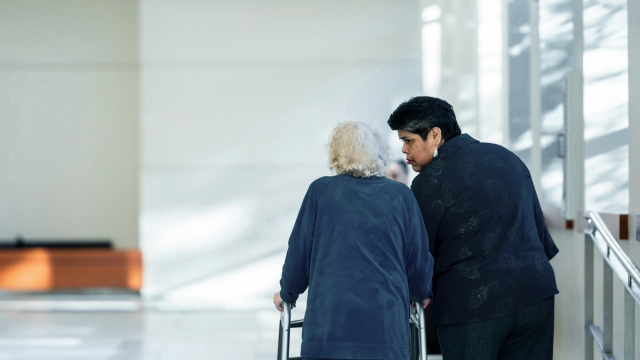

Understanding PIES in health and social care helps learners and care workers consider the whole person rather than focusing only on a diagnosis, disability or immediate physical problem.
Quick Overview
PIES provides a straightforward way to understand how different aspects of a person’s development, wellbeing and everyday life are connected.
This guide covers:
✅ The meaning of PIES in health and social care
✅ What Physical, Intellectual, Emotional and Social development involve
✅ How the four areas can influence one another
✅ How PIES can be used in care planning and support
✅ Examples of PIES across different stages of life
PIES stands for Physical, Intellectual, Emotional and Social development. These four areas can influence one another throughout life. A physical condition may affect someone’s confidence. Memory difficulties can influence independence. Social isolation may affect emotional wellbeing, while supportive relationships can help someone cope with illness or change.
For anyone asking what is PIES in health and social care, the simplest answer is that pies in health and social care is a framework for considering these four connected areas of development and wellbeing. Questions such as what are PIES in health and social care or what does PIES stand for are therefore really asking how the four dimensions work together.
The PIES model in health and social care is particularly useful for understanding person-centred practice. It encourages care workers to see the individual behind the condition and consider what matters to that person.
What Is PIES in Health and Social Care?
pies in health and social care is an acronym for Physical, Intellectual, Emotional and Social.
The model gives health and social care learners a straightforward way to think about different parts of a person’s development and wellbeing.
It is useful because care needs rarely exist in isolation.
Someone recovering after a stroke may have obvious physical needs, but they might also experience difficulties processing information, reduced confidence and changes in family or social relationships.
Looking only at the physical condition would therefore provide an incomplete picture.
What Does PIES Stand For?
The meaning of PIES can be summarised as follows:
| Component | Meaning | Focus |
| Physical | Physical development | Health, mobility, physical abilities |
| Intellectual | Intellectual development | Learning, thinking, knowledge |
| Emotional | Emotional development | Feelings, confidence, wellbeing |
| Social | Social development | Relationships, communication, interaction |
The pies in health and social care is most useful when these areas are considered together rather than treated as four unrelated boxes.
What Is the PIES Model?
The PIES model is a framework used in health and social care education to understand different aspects of a person’s development and wellbeing.
It helps people look beyond medical needs and consider wider factors affecting quality of life.
For example, reduced mobility may prevent somebody from attending a weekly community group. Losing that routine could affect social relationships and emotional wellbeing as well as physical activity.
pies in health and social care can help identify those connections.
It is not, however, a diagnostic or statutory assessment tool. Professional care decisions may require recognised assessments, clinical expertise and formal care-planning processes appropriate to the individual.
Understanding the Four Areas of PIES
Physical Development
Physical development relates to the body, physical health and the ability to carry out activities.
Within health and social care, this can include:
- health conditions;
- mobility;
- nutrition and hydration;
- strength and coordination;
- physical independence; and
- changing physical needs.
Physical development varies across the lifespan. Children grow and develop motor skills, while adolescence brings puberty and other major bodily changes. In adulthood, injury, illness, disability or ageing may affect mobility and physical independence.
Person-centred care should consider what an individual can safely continue doing rather than automatically taking over.
Someone who needs support walking may still be perfectly capable of choosing clothes, preparing part of a meal or managing other aspects of daily life.
Intellectual Development
Intellectual development concerns learning, thinking, understanding and using information.
It includes areas such as:
- learning;
- memory;
- cognitive skills;
- reasoning;
- decision-making; and
- problem-solving.
People continue developing intellectually throughout life.
In care settings, intellectual needs may affect how information is communicated. Someone with memory difficulties may benefit from reminders or information presented in smaller sections. Another individual may need accessible language or communication support.
The purpose should be to maximise understanding and participation rather than assume somebody cannot make choices simply because support is needed.
Emotional Development
Emotional development relates to feelings, confidence, self-esteem, identity and coping with challenges.
Illness or changes in circumstances can affect emotional wellbeing significantly.
A person moving into residential care may worry about losing control. Somebody recovering from an accident may become less confident about activities they once completed independently.
Good emotional support can involve listening, reassurance, respect for routines and meaningful choice.
Where serious psychological or mental health concerns arise, appropriate professional assessment may also be necessary.
Social Development
Social development involves relationships, communication and interaction with other people.
This may include:
- family relationships;
- friendships;
- social participation;
- communication;
- community involvement; and
- support networks.
Social wellbeing is individual.
One person may enjoy frequent group activities, while another values regular contact with two close relatives and prefers quieter surroundings.
Person-centred support should respect those differences rather than assuming that everybody needs the same type or amount of social interaction.
Why Is PIES Important in Health and Social Care?
Pies in health and social care matters because people are more than their illnesses or physical limitations.
The framework encourages care workers to consider how different aspects of someone’s life influence one another.
Supporting Person-Centred Care
This is where pies in health and social care becomes particularly valuable.
The Care Quality Commission states that people should receive care tailored to their needs and preferences. Its current framework also emphasises independence, choice, control and maintaining relationships that are important to the individual.
CQC guidance on independence, choice and control
Skills for Care similarly promotes approaches that put people, families and communities at the centre of care and encourage workers to understand what matters to the person.
Skills for Care guidance on person-centred approaches
pies in health and social care supports this philosophy because it encourages care workers to consider the person’s abilities, understanding, emotions and relationships alongside physical needs.
The framework itself is not a CQC requirement, but the thinking behind it complements person-centred practice.
Understanding Individual Needs
Two people with the same health condition may need very different support.
Imagine two adults living with arthritis.
One lives with a partner, remains socially active and feels confident using mobility equipment.

The other lives alone, worries about falling and has stopped seeing friends.
Their physical diagnosis may be similar, but their emotional and social circumstances are different.
pies in health and social care helps bring those differences into view.
Improving Care Planning and Outcomes
pies in health and social care information can help professionals think about personalised goals.
These might include maintaining mobility, understanding medication, rebuilding confidence, continuing a hobby or staying connected with family.
A formal care plan will require appropriate professional processes, but pies in health and social care can prompt useful questions about what support the person actually values.
Promoting Holistic Wellbeing
Holistic care considers the whole person.
Instead of asking only whether somebody can walk safely, staff may also consider whether fear of falling is affecting confidence or whether reduced mobility has stopped the person participating in meaningful activities.
That wider view is central to person-centred support.
How Is the PIES Model Used in Health and Social Care?
Assessing a Person’s Physical, Intellectual, Emotional and Social Needs
Information can be gathered through observation, communication, professional assessments, personal history and appropriate feedback from family members or carers.
The individual’s own views should remain central wherever possible.
Staff should also follow requirements relating to confidentiality, consent, mental capacity and information sharing.
Creating Individualised Care Plans
A person-centred plan should reflect goals and preferences that matter to the individual.
This can involve supporting independence, adapting communication, providing appropriate assistance and respecting personal routines.
The question is not simply, “What tasks must staff complete?”
It is also, “What does this person want to continue doing for themselves?”
Reviewing Changes in Health and Wellbeing
Needs change over time.
Someone recovering after surgery may become stronger and more confident. Another person’s condition may progress and require additional support.
Emotional or social circumstances can also change after bereavement, moving home or losing contact with someone important.
Regular review helps support remain relevant.
Working With Families and Other Professionals
Health and social care often involves multidisciplinary working.
Care workers, nurses, doctors, social workers, physiotherapists, occupational therapists, relatives and advocates may each contribute useful information.
Sharing relevant information appropriately can help coordinate support while respecting confidentiality and the person’s choices.
PIES in Health and Social Care Examples
Example: Applying the PIES Model to an Individual Receiving Care
Imagine Margaret, aged 83, is moving into residential care after several falls at home.
She has reduced mobility and takes regular medication. Margaret enjoys reading, doing puzzles and speaking with her grandchildren. She is anxious that moving into care will mean losing independence.
| PIES Area | Example Consideration |
| Physical | Mobility support, medication, nutrition and reducing falls risk |
| Intellectual | Reading, puzzles, understandable information and mental stimulation |
| Emotional | Managing anxiety and rebuilding confidence |
| Social | Maintaining family relationships and joining activities she chooses |
The physical need may seem most urgent because Margaret has experienced falls.
However, person-centred care should also consider what matters to her.
If staff automatically do everything for Margaret, she could lose confidence and independence. A better approach may be to identify tasks she can continue safely while providing support where necessary.
Her intellectual interests matter too. Access to reading and puzzles may help maintain a familiar routine.
Regular contact with her grandchildren may be more meaningful socially than attending every group activity.
This example shows how PIES health and social care thinking can help turn a list of needs into a more complete understanding of the person.
PIES Across Different Life Stages
PIES in Childhood and Adolescence
pies in health and social care development begins early and continues throughout life.
During childhood, physical growth occurs alongside language development, emotional regulation and relationship building.
PIES in adolescence can involve particularly rapid change. Physical development includes puberty, while intellectual development often involves increasingly complex thinking. Emotional development may include identity and self-esteem, and social development may involve greater independence and stronger peer relationships.
The phrase pies in health and social care adolescence therefore refers to considering these four areas together during the teenage years.
Development varies between individuals, so these descriptions should never become rigid expectations.
PIES in Adulthood and Older Age
Development continues through adulthood.
Employment, relationships, parenthood, illness, retirement and bereavement can all influence different pies in health and social care areas.
Older age may involve physical changes, but it should not automatically be treated as decline. Many older adults remain intellectually engaged, emotionally resilient and socially active.
Care should therefore respond to individual circumstances rather than stereotypes about age.
Limitations of the PIES Model
PIES Is a Framework, Not a Diagnostic Tool
PIES cannot diagnose dementia, depression, a physical condition or a learning disability.
For example, changes in memory may indicate that further assessment is needed, but identifying an “intellectual” issue using pies in health and social care does not explain its cause.
The framework should therefore support professional judgement rather than replace recognised assessment methods.
Individual Experiences Are Different
Development and wellbeing are shaped by culture, environment, relationships, health, disability, education, personal circumstances and life experiences.
Two people of the same age may therefore have very different abilities and needs.
PIES should encourage curiosity about the individual rather than rigid categorisation.
How Does PIES Compare With Other Wellbeing Frameworks?
PIES vs SPICE Model
PIES and SPICE both encourage professionals to consider more than physical health.
PIES focuses on:
- Physical
- Intellectual
- Emotional
- Social
SPICE includes:
- Social
- Physical
- Intellectual
- Cultural
- Emotional
The additional Cultural element draws particular attention to beliefs, values, identity and background.
Culture can still be considered when using PIES; SPICE simply identifies it as a separate component.
Neither model replaces professional assessment. Both can be used to encourage holistic thinking.
PIES vs Maslow’s Hierarchy of Needs
Maslow’s hierarchy focuses on human motivation and categories of need, commonly including physiological needs, safety, belonging, esteem and self-actualisation.
The PIES model instead focuses on areas of development and wellbeing.
The two approaches are therefore different, although both encourage consideration of the wider person rather than a single immediate issue.
Frequently Asked Questions About PIES in Health and Social Care
What does PIES stand for in health and social care?
PIES stands for Physical, Intellectual, Emotional and Social development.
These four areas provide a straightforward framework for considering human development and wellbeing.
Why is PIES important in care?
PIES encourages professionals to consider more than physical health.
It can draw attention to someone’s understanding, confidence, relationships, independence and wider quality of life.
This makes it particularly useful when learning about holistic and person-centred care.
What are examples of PIES in health and social care?
Physical examples include mobility and nutrition. Intellectual examples include memory, learning and decision-making. Emotional examples include confidence and coping with change. Social examples include relationships and community participation.
These areas often influence one another.
How does PIES support person-centred care?
PIES encourages workers to consider the individual’s physical abilities, understanding, feelings, relationships, strengths and goals rather than reducing them to a diagnosis.
This complements person-centred principles such as choice, independence and participation in decisions.
What are the five characteristics of intellectual development?
There is no universal PIES rule stating that intellectual development has exactly five characteristics.
Five useful examples are learning, memory, reasoning, problem-solving and decision-making. Language, concentration and creativity may also be relevant.
What are the PIES for different life stages?
PIES always refers to Physical, Intellectual, Emotional and Social development.
During childhood, the framework may cover growth, learning and early relationships. PIES in adolescence can involve puberty, more complex thinking, identity and changing peer relationships.
Adulthood and older age involve further development through work, relationships, health and major life experiences.
Conclusion
Understanding what is PIES in health and social care provides a useful foundation for thinking about person-centred support.
The meaning of PIES is Physical, Intellectual, Emotional and Social. These four areas help explain why an individual’s needs cannot be understood simply by looking at a diagnosis or physical condition.
A mobility problem may affect confidence and social participation. Intellectual needs may change how information should be communicated. Emotional wellbeing can influence independence, while strong relationships can support resilience.
That is why the PIES model in health and social care fits naturally with person-centred thinking. It encourages workers to understand what someone can do, what they value, how they feel and which relationships matter to them.
The framework is also useful when examining PIES development across childhood, PIES adolescence, adulthood and later life.
However, PIES remains a framework rather than a formal diagnostic or statutory assessment. Professional judgement, recognised assessment methods and meaningful involvement of the individual remain essential.
Skills Pack currently lists courses across health and social care, healthcare and wider professional-development subjects. Learners considering relevant training should check the exact course content, assessment and certificate or accreditation arrangements, particularly where a regulated qualification is required for a specific role.
Used appropriately, PIES reinforces a simple principle at the heart of good care: support the person, not merely the condition.