Workplace Organization Tips: How to Maintain Clean and Productive Spaces
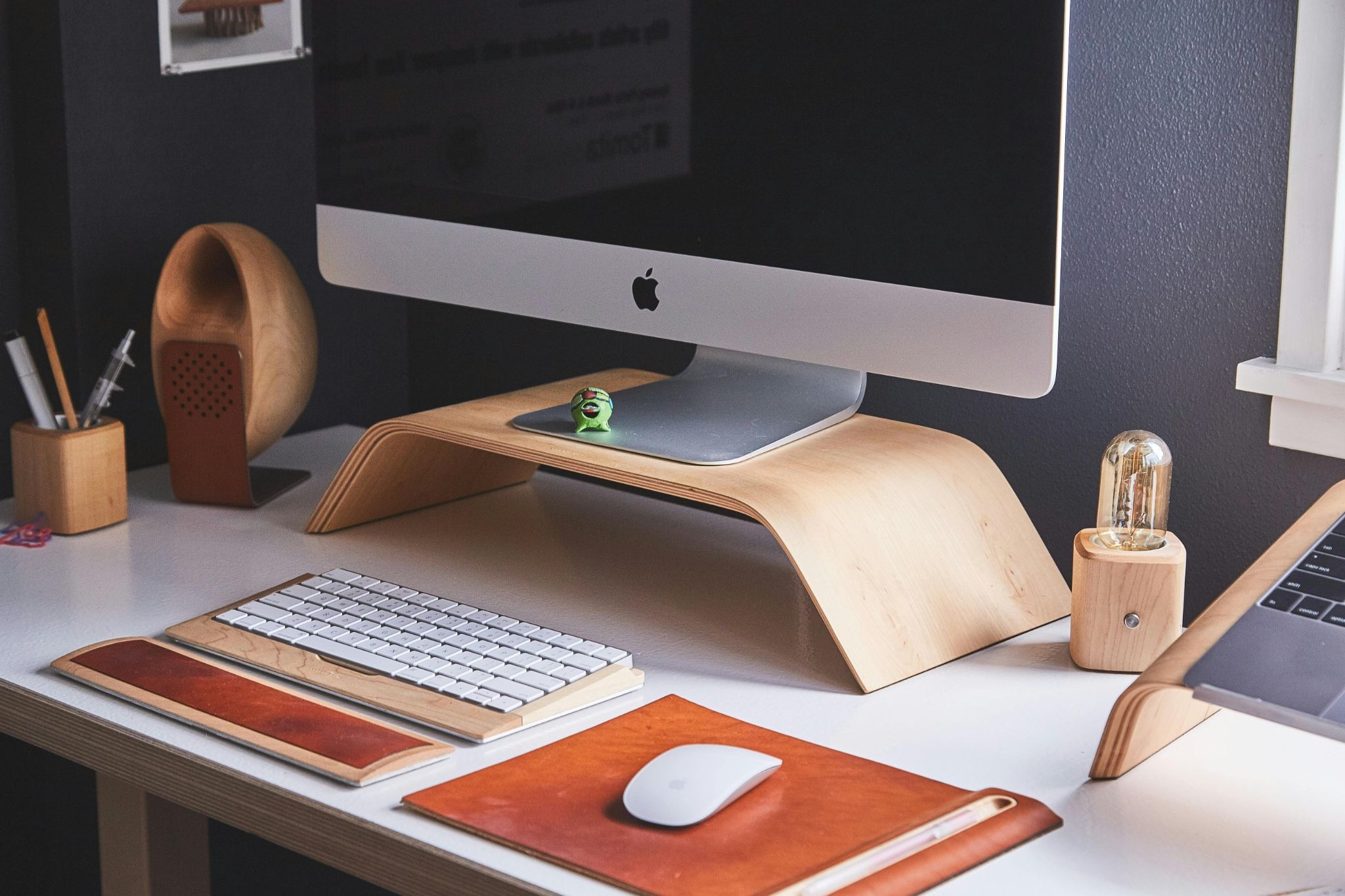

workplace organisation tips can help turn a cluttered office into a calmer, more efficient space. A clean and organised workplace is not just about looking professional. It directly affects focus, mood, safety, teamwork, and productivity. When desks are cluttered, documents are hard to find, bins are overflowing, and shared spaces are messy, people waste time and energy on things that should be simple. But when the workplace is organised, employees can think clearly, move comfortably, and do their work with fewer distractions.
A good workplace organization tips does not require expensive furniture or a complete office redesign. In most cases, it comes down to simple habits, clear systems, and a practical office cleaning routine that everyone can follow.
Whether you manage an office, work in a shared workspace, run a small business, or want to improve your own desk setup, these workplace organisation tips will help you create a cleaner, calmer, and more productive environment.
Quick overview
This guide shares practical workplace organisation tips you can use right away. It includes simple office organisation ideas, workplace cleanliness tips, and easy decluttering workplace habits that supports a better office cleaning routine. It also covers productivity workspace tips for teams and individuals.
Key Areas Covered:
✅Practical workplace organisation tips for daily use.
✅Simple office organisation ideas that reduces clutter.
✅Effective workplace cleanliness tips for shared areas.
✅Easy decluttering workplace steps.
✅Simple productivity workplace tips.
✅A reliable office cleaning routine.
Why Workplace Organisation Matters
The best workplace organisation tips matter because people work better when their environment is clean, structured, and easy to use.
A messy workplace creates unnecessary friction. Employees may lose documents, misplace tools, forget tasks, struggle to find supplies, or feel mentally overwhelmed by clutter. Even small distractions can reduce productivity when they happen repeatedly throughout the day.
A clean and workplace organisation tips helps people:
- Focus better
- Save time
- Reduce stress
- Find information quickly
- Work more safely
- Communicate more clearly
- Feel more professional
- Maintain better hygiene
- Create a better impression on visitors and clients
In the UK, workplace organisation tips also connect with health and safety. The Health and Safety Executive states that workplaces should have clean premises, furniture and fittings, suitable waste containers, regular removal of dirt and refuse, and prompt clearing of spillages. Workers must also have access to welfare facilities such as toilets, hand basins, soap, hand drying facilities, drinking water, and somewhere to rest and eat meals.
That means organisation is not just a “nice to have”. It is part of creating a safe and suitable working environment. Good office organisation ideas also improves morale. When desks are tidy and shared spaces are clean,employees feel more comfortable and professional.

Start With Decluttering the Workplace
The first step of a workplace organisation tips is to start with decluttering. You cannot organise properly if there is too much unnecessary stuff in the way.
Many offices collect clutter without anyone noticing. Old documents sit in drawers. Broken pens stay in pots. Outdated notices remain on boards. Unused equipment fills cupboards. Random cables, boxes, and files take up space.
The problem is that clutter makes everything harder. It slows down cleaning, creates confusion, and makes the workplace feel more chaotic than it needs to be. A simple decluttering workplace process can quickly improve the whole environment.
Start by sorting items into four simple categories:
- Keep — items used regularly and needed for work.
- Store — items needed occasionally but not every day.
- Recycle or dispose — items that are outdated, broken, duplicated, or no longer useful.
- Digitise — documents that can be scanned and stored securely.
These office organisation ideas should be practical, not emotional. If an item has not been used for months and has no legal, operational, or business value, it probably does not need to sit in the main workspace.
For offices with sensitive records, be careful. Do not throw away confidential documents casually. Use proper shredding or secure disposal where needed.
Decluttering the workplace is one of the simplest ways to improve the atmosphere. Once unnecessary items are removed, the office cleaning routine becomes easier, desks look better, and employees have more room to work.
Give Everything a Proper Place with workplace organisation tips
A workplace stays organised when every item has a clear home.
If supplies do not have a proper place, they end up wherever someone last used them. That is how meeting rooms fill with random papers, desks become storage spaces, and cupboards turn into messy dumping areas.
A simple office cleaning routine works best.
For example:
- Stationery should have one main storage point.
- Cleaning supplies should be kept in a safe and suitable location.
- Printer paper should be stored near the printer.
- Important documents should have labelled folders.
- Shared equipment should have a return point.
- Staff personal items should not take over shared work areas.
- Kitchen items should be stored in marked cupboards.
- Cables and chargers should be labelled where necessary.
Labels can help a lot. They may seem basic, but they reduce confusion. When people know where something belongs, they are more likely to put it back. A clean system also supports better productivity workshop tips because people spend less time searching for items when needed.
This is one of the most useful office organisation ideas because it prevents mess before it starts. Instead of cleaning the same clutter again and again, you create a system that makes tidiness easier to maintain.
Keep Desks Clear and Functional
A desk should support work, not distract from it. One of the easiest workplace organisation tips is to keep each desk clear of unnecessary clutter. Which means only essentials should stay on the surface of the desk.
Some people like a completely clear desk. Others prefer a few personal items. Either approach is fine as long as the desk remains functional. The problem starts when the desk becomes covered with old coffee cups, loose papers, food wrappers, wires, notebooks, and items that belong elsewhere.
A good desk setup should include only what the employee actually uses during the day.
Workplace organisation tips for clear desk may include:
- Computer or laptop
- Keyboard and mouse
- Notebook or planner
- Pen holder
- Phone
- Water bottle
- Essential documents
- One or two personal items
Everything else should be stored properly.
For better decluttering habits, try the “end-of-day reset”. Before leaving work, employees spend two or three minutes clearing their desk, throwing away rubbish, putting documents away, and preparing the space for the next day.
This small habit has a strong effect. Arriving at a clean desk in the morning feels much better than starting the day surrounded by yesterday’s mess.

Create a Simple Office Cleaning Routine
A reliable workplace organisation tips maintains standards instead of letting mess pile up. An office cleaning routine keeps the workplace consistently clean instead of waiting until things become unpleasant.
The routine does not have to be complicated. The goal is to make cleaning predictable. When people know what needs to be done daily, weekly, and monthly, standards are easier to maintain.
A basic daily office cleaning routine may include:
- Emptying bins
- Wiping kitchen counters
- Cleaning shared tables
- Washing dishes or loading the dishwasher
- Clearing meeting rooms
- Wiping high-touch surfaces
- Checking toilets and handwashing supplies
- Removing visible rubbish
- Tidying reception areas
A weekly routine may include:
- Vacuuming or mopping floors
- Cleaning desks more thoroughly
- Dusting shelves and surfaces
- Cleaning windows or glass partitions
- Checking storage areas
- Reviewing cluttered spaces
- Cleaning appliances in the kitchen
- Restocking supplies
A monthly routine may include:
- Deep cleaning carpets or upholstery where needed
- Reviewing old documents
- Organising storage cupboards
- Checking broken or unused equipment
- Updating noticeboards
- Inspecting workstations for cable mess
- Reviewing cleaning standards
The best routine is one that matches the workplace. A small office may need a lighter system. A busy office with many visitors may need more frequent checks. A workplace that handles food, healthcare, childcare, or physical work will need stricter standards.
Improve Shared Spaces
Shared spaces often become messy because everyone uses them, but nobody feels fully responsible for them. Good workplace organisation tips
This includes kitchens, break rooms, meeting rooms, reception areas, copy rooms, storage cupboards, and shared desks. If these areas are not managed properly, they quickly become cluttered and unhygienic.
The kitchen is usually the biggest challenge. Dirty mugs, old food in the fridge, crumbs on counters, overflowing bins, and messy microwaves can make the workplace feel neglected.
A few clear rules can help:
- Wash or load dishes after use.
- Label food if needed.
- Remove old food from the fridge weekly.
- Wipe spills immediately.
- Keep counters clear.
- Empty bins before they overflow.
- Do not leave personal items in shared areas.
- Report broken appliances quickly.
Meeting rooms also need attention. After each meeting, the room should be reset. Chairs should be pushed in, cups removed, boards cleaned, rubbish cleared, and any equipment returned.
Good workspace cleanliness tips are often simple. The main issue is consistency. Shared spaces stay clean when everyone understands that “shared” does not mean “someone else’s problem”.
Use Storage Properly
Workplace organisation tips also include storage. It is one of the easiest ways to maintain a clean and productive workspace.
But storage only works when it is used properly. Many offices have cupboards, drawers, and shelves, but they are filled with random items. That is not organising. It is hidden clutter.
Useful storage should be:
- Clearly labelled
- Easy to access
- Regularly reviewed
- Not overloaded
- Used for specific categories
- Safe and tidy
- Free from outdated items
For example, one cupboard may be for stationery, another for cleaning supplies, another for archived documents, and another for equipment. Mixing everything together wastes time.
Digital storage also matters. Office organising ideas is not only physical. A messy computer system can be just as frustrating as a messy desk.
Digital organisation should include:
- Clear folder names
- Consistent file naming
- Shared drive rules
- Proper access permissions
- Regular deletion of duplicate files
- Secure storage of sensitive documents
- Version control where needed
If employees cannot find the right document, they waste time. If they use the wrong version of a file, mistakes can happen. A clean digital workspace supports productivity just as much as a clean physical workspace.

Reduce Paper Where Possible
Paper clutter is one of the most common office problems.
Printed emails, old drafts, meeting notes, forms, brochures, invoices, and random documents can quickly pile up. Some paper is necessary, especially where records must be kept. But many workplaces keep far more paper than they need.
Workplace organisation tips also include reducing paper as it can improve organisation and save space.
A practical approach for decluttering workplace includes:
- Scanning documents where appropriate
- Using shared digital folders
- Avoiding unnecessary printing
- Shredding confidential waste properly
- Keeping only essential physical records
- Using digital signatures where suitable
- Reviewing paper files regularly
This does not mean becoming completely paperless overnight. It means being more intentional. Before printing something, ask whether it really needs to be printed. Before keeping a document, ask whether it has a clear purpose.
The less paper you keep, the easier it is to maintain a clean and organised workplace.
Organise Cables and Technology
Technology helps productivity, but it can also create mess. Loose cables, chargers, extension leads, and devices can make a workspace look untidy and even create trip hazards.
Cable organisation is a small change that makes a big visual difference.
Useful workplace organisation tips include:
- Use cable clips or ties.
- Label chargers and adapters.
- Remove unused cables.
- Keep extension leads safe and tidy.
- Avoid running cables across walkways.
- Provide charging stations where useful.
- Keep IT equipment in designated areas.
- Report damaged cables immediately.
A cleaner tech setup makes desks easier to clean and reduces daily frustration. It also makes the workplace look more professional, especially in client-facing areas.
Use the 5-Minute Reset Rule
The 5-minute reset rule is one of the easiest productivity workspace tips to apply.
At the end of the day, each employee spends five minutes resetting their area. This is not deep cleaning. It is a quick tidy-up.
The reset can include:
- Throwing away rubbish
- Clearing mugs or plates
- Putting documents away
- Returning supplies
- Wiping the desk if needed
- Preparing tomorrow’s priority list
- Closing unnecessary tabs or files
- Pushing the chair in
This small habit prevents clutter from building up. It also creates a better start the next morning.
For teams, the 5-minute reset can be used before lunch, before closing, or after a busy meeting. The timing matters less than the habit.
Make Organisation a Team Culture
Workplace organisation fails when it depends on one person only.
If only the office manager cares, the system will not last. If only the cleaner is expected to handle everything, clutter will return. Organisation needs to become part of the workplace culture.
That does not mean making employees feel watched or criticised. It means creating simple shared standards.
Managers can support this by introducing office cleanliness routine such as:
- Setting clear expectations
- Providing proper storage
- Keeping supplies available
- Leading by example
- Encouraging staff to reset spaces
- Acting quickly on maintenance issues
- Making cleaning responsibilities fair
- Reviewing problem areas regularly
Employees also need to take ownership. Everyone should clear their own rubbish, respect shared areas, report problems, and return items after use.
A clean and organised workplace is easier to maintain when it becomes normal behaviour, not a special event.
Design Workspaces for Productivity
Workplace organisation tips are not only about tidying. It is also about designing the workspace in a way that supports work.
A productive workspace should be comfortable, practical, and easy to move around. Employees should have enough space to work. Frequently used items should be nearby. Walkways should be clear. Lighting should be suitable. Chairs and desks should support good posture. Noise should be managed where possible.
For office productivity workspace tips, think about zones:
- Quiet work areas
- Meeting areas
- Break areas
- Storage areas
- Printing or admin areas
- Reception or visitor areas
- Collaboration spaces
When each space has a purpose, people use it better. Problems happen when one area tries to do everything. For example, if the kitchen becomes a meeting room, storage space, and break area all at once, it may become crowded and messy.
A well-organised workplace makes the right behaviour easier.

Handle Waste and Recycling Properly
Waste management is a key part of workplace cleanliness tips.
Bins should be easy to find, clearly marked, and emptied regularly. If bins are too far away, people may leave rubbish on desks. If recycling rules are unclear, everything gets mixed together. If food waste is left too long, smells and hygiene issues follow.
A good waste system includes:
- General waste bins
- Recycling bins
- Food waste bins where appropriate
- Confidential waste disposal
- Clear labels
- Regular collection
- Clean bin areas
- Staff awareness
Waste areas should not be allowed to become dirty or overflowing. They should be checked regularly, especially in kitchens and shared spaces.
Review and Improve Regularly
Workplace organisation tips is not a one-time project. It needs regular review.
A system that works for five employees may not work for twenty. A storage cupboard that was tidy in January may be chaotic by June. A cleaning routine may need to change when more staff return to the office or when the business expands.
It helps to review the workplace every few months.
Ask simple questions:
- Which areas become messy most often?
- Are supplies easy to find?
- Are bins emptied often enough?
- Are desks becoming cluttered?
- Are meeting rooms being reset?
- Are storage areas overloaded?
- Are employees following the routine?
- Does the cleaning schedule still match the workplace?
Small adjustments can prevent bigger problems. Organisation works best when it stays flexible.
Final Thoughts
A clean and organised workplace organisation tips helps people work better. It saves time, reduces stress, improves safety, creates a better impression, and supports productivity.
The best workplace organisation tips are not complicated. Start by decluttering the workplace. Give everything a proper place. Keep desks clear. Create a simple office cleaning routine. Improve shared spaces. Use storage properly. Reduce unnecessary paper. Organise cables. Encourage a 5-minute reset. Make cleanliness part of the team culture.
A productive workplace does not need to be perfect. It needs to be practical, clean, and easy to use. When the environment supports the work, employees can focus on what actually matters.
Good organisation is not about making the office look attractive for one day. It is about creating habits and systems that keep the space clean, functional, and professional every day.