School Toilet Cleaning: Hygiene Procedures and Standards
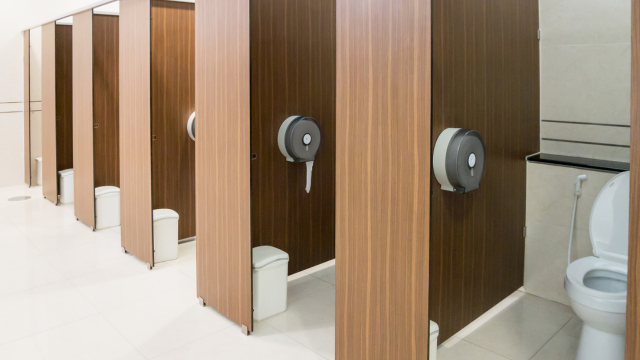

School toilets are among the most frequently used facilities in educational buildings. Throughout the day, pupils and staff use toilets, washbasins, taps and other shared fixtures, creating a continuous need for effective cleaning and hygiene management.
Without regular attention, school washrooms can quickly become unhygienic. Contaminated surfaces, overflowing bins, unpleasant odours and inadequate handwashing supplies can affect pupils’ comfort and contribute to infection risks.
Professional school toilet cleaning helps schools maintain facilities that are clean, safe and suitable for everyday use. However, effective cleaning involves more than removing visible dirt. It requires appropriate cleaning products, infection prevention procedures, trained staff and consistent quality checks.
School cleaners must also understand the difference between routine cleaning and disinfection, how to prevent cross-contamination and how to respond safely to bodily fluid spillages.
For UK schools, cleaning arrangements should reflect relevant public health guidance, workplace safety requirements and the needs of pupils.
This guide explains practical school toilet cleaning methods, including daily checklists, step-by-step procedures, chemical handling, equipment selection and deep cleaning. It also covers cleaning frequency, staff training and how schools can maintain reliable hygiene standards.
Why School Toilet Cleaning Is Important
School toilets are shared environments where surfaces can become contaminated through frequent use.
Toilet seats, flush controls, taps and door handles are touched repeatedly throughout the day. Without appropriate cleaning and hand hygiene, harmful microorganisms may spread between users.
Regular cleaning helps reduce these risks.
Supporting Infection Prevention
The UK Health Security Agency (UKHSA) identifies effective environmental cleaning and handwashing as important measures for preventing infections in educational settings.
This is particularly relevant to illnesses involving diarrhoea and vomiting.
Maintaining Pupil Comfort
Clean, accessible toilets help pupils feel more comfortable using school facilities.
Persistent odours, visibly dirty fixtures or missing supplies may discourage appropriate toilet use.
Reducing Safety Hazards
Wet floors, overflowing bins and damaged fixtures can create risks.
Cleaning staff should address contamination promptly and report maintenance problems.
Supporting the School Environment
Toilet cleanliness contributes to the wider condition of school premises.
Consistent school sanitation requires cooperation between cleaning teams, facilities managers and school leadership.
What Are School Toilet Cleaning Standards?
School toilet cleaning standards are the procedures and expected hygiene outcomes used to maintain washroom facilities.
They normally address cleanliness, disinfection, equipment, waste management, supplies and inspection.
However, there is no single UK-wide statutory checklist prescribing identical toilet cleaning frequencies for every school.
Different legal and regulatory arrangements apply across England, Scotland, Wales and Northern Ireland.
Public Health Guidance
UKHSA guidance on preventing and controlling infections in children and young people’s settings, updated in September 2026, recommends regular environmental cleaning and written schedules.
These schedules should identify the tasks required, cleaning frequency and responsible employees.
School Premises Requirements
In England, the School Premises Regulations 2012 and relevant independent school standards establish requirements for suitable toilet cleaning procedures and washing facilities.
The arrangements differ in other UK nations.
Workplace Safety
Cleaning employers must manage hazards involving chemicals, equipment and wet floors.
Quality Expectations
Schools should establish measurable standards for clean fixtures, replenished supplies and safe facilities.
Standards should be based on actual risks and verified cleaning outcomes rather than appearance alone.
Key School Toilet Cleaning Responsibilities
School cleaners carry out tasks designed to maintain washroom cleanliness and identify problems requiring attention.
Typical responsibilities include:
- Cleaning toilets, urinals, washbasins and accessible fittings.
- Removing visible contamination from walls, partitions and floors.
- Cleaning frequently touched surfaces.
- Using approved disinfectants where required.
- Emptying bins and following waste disposal procedures.
- Replenishing toilet paper, soap and hand-drying supplies.
- Responding to spillages through established procedures.
- Reporting leaks, blocked toilet cleaning procedures and damaged equipment.
- Recording completed work and outstanding issues.
Some schools assign additional responsibilities to caretakers or facilities teams.
For example, a cleaner may report a leaking cistern but should not attempt specialist plumbing repairs without appropriate competence.
The cleaning specification should establish which tasks are routine and which require maintenance or specialist intervention.
School Toilet Cleaning Checklist
A written checklist helps maintain consistent cleaning standards.
The following example can be adapted to primary schools, secondary schools and other educational facilities.
Daily School Toilet Cleaning Checklist
- Inspect the washroom for visible contamination and hazards.
- Restrict access where required for cleaning.
- Remove litter and empty appropriate waste bins.
- Clean toilet bowls, seats and accessible exterior surfaces.
- Clean urinals and washbasins using suitable equipment.
- Wipe taps, flush controls, handles and other frequently touched surfaces.
- Clean mirrors, partitions and accessible fittings.
- Sweep and clean the floor using an approved method.
- Replenish soap, toilet cleaning procedures paper and hand-drying supplies.
- Check sanitary disposal facilities where provided.
- Confirm that floors are safe and sufficiently dry.
- Report damage, blockages, leaks or persistent odours.
- Record completed tasks and any outstanding concerns.
The checklist should identify who completed the work and when.
Additional inspections may be required during the school day.
A signed checklist does not replace a physical inspection of the cleaning results.
Daily School Toilet Cleaning Procedures
Daily toilet cleaning should follow a structured process that reduces contamination and protects school users.
The first step is inspecting the facilities.
Cleaners should identify visible dirt, spillages, waste and damaged fixtures before beginning work.
Where necessary, the washroom should be temporarily closed or access controlled.
Cleaning equipment should be prepared before work begins.
Follow an Organised Sequence
A practical approach is to work from relatively cleaner surfaces towards more contaminated areas.
For example, mirrors and appropriate washbasin surfaces may be cleaned before toilet cleaning procedures bowls and heavily contaminated fixtures.
Equipment used for toilet cleaning procedures must not be transferred to handwashing areas without suitable decontamination.
Control Cleaning Moisture
Cleaning products should be applied according to manufacturer instructions.
Excess water can create slip hazards and may damage certain surfaces.
Complete a Final Inspection
Before reopening the facilities, check that fixtures are clean, supplies are available and the floor is safe.
Daily cleaning should be supplemented by additional attention when conditions require it.
Step-by-Step School Toilet Cleaning Process
A consistent cleaning sequence helps employees complete work without overlooking important areas.
The following process is suitable as a general framework, but schools should adapt it to their approved procedures.
Step 1: Prepare the Area
Inspect the washroom and identify hazards.
Arrange suitable access restrictions and prepare approved cleaning products, equipment and PPE.
Step 2: Remove Waste
Collect loose litter and empty appropriate waste containers.
Avoid direct contact with contaminated materials.
Step 3: Clean Handwashing Areas
Use designated equipment to clean basins, taps, surrounding surfaces and mirrors.
Step 4: Clean Frequently Touched Fittings
Wipe flush controls, door handles, locks and accessible dispensers.
Apply appropriate disinfection where required.
Step 5: Clean Toilets and Urinals
Use dedicated toilet cleaning procedures equipment and approved products.
Follow the manufacturer’s instructions for application and contact time.
Step 6: Clean the Floor
Remove loose debris before cleaning the floor with a suitable method.
Step 7: Replenish Supplies
Check toilet paper, soap, hand-drying materials and disposal facilities.
Step 8: Inspect and Record
Confirm that the area is clean, equipment is removed and hazards have been addressed.
Record the work and report outstanding defects.
Cleaning Toilets, Urinals and Sinks
Different washroom fixtures require different cleaning methods.
Using the same cloth or brush for every fixture can transfer contamination unnecessarily.
Toilet Bowls
Apply an approved toilet-cleaning product according to its instructions.
Use a dedicated toilet cleaning procedures brush to clean appropriate internal surfaces, including areas where deposits accumulate.
Allow the required product contact time before completing the procedure.
Toilet Seats and Exterior Surfaces
Clean seats, lids, hinges and accessible exterior surfaces using suitable equipment.
Pay attention to points that are frequently touched.
Urinals
Urinals may develop deposits and odours if cleaning is inadequate.
Use a suitable product compatible with the fixture and drainage system.
Washbasins
Clean basins, taps and surrounding surfaces with separate equipment from that used for toilet cleaning procedures bowls.
Remove soap residue, visible marks and contamination.
Material Compatibility
Ceramic, stainless steel, plastic and coated surfaces may require different products.
Avoid abrasive tools or aggressive chemicals that could damage fixtures.
Defects should be reported rather than treated as ordinary cleaning problems.
Cleaning Floors and Other Surfaces
School toilet floors may be exposed to water, footwear contamination and occasional bodily fluid spillages.
Suitable cleaning helps maintain hygiene while controlling slip risks.
Floor Preparation
Remove litter and loose debris using the approved tools.
Assess whether contamination requires a separate spill-response procedure.
Floor Cleaning
Use a product compatible with the flooring material.
Avoid leaving excessive liquid or detergent residue.
The Health and Safety Executive (HSE) warns that cleaning can introduce slip hazards when floors remain wet.
Partitions and Walls
Clean accessible partitions, cubicle doors and wall surfaces according to the cleaning schedule.
Particular attention may be needed around frequently used fixtures.
Managing Access
Where practical, clean during quieter periods and restrict access until the floor is safe.
Warning signs alone may not be sufficient to prevent access.
Reporting Damage
Loose tiles, defective flooring and damaged fittings should be reported promptly.
Cleaning cannot compensate for unsafe surfaces requiring repair.
High-Touch Surface Disinfection
Frequently touched surfaces deserve particular attention in school toilet cleaning procedures.
Examples include flush controls, taps, cubicle locks, door handles and soap dispensers.
Cleaning Before Disinfection
Visible dirt and organic material can interfere with disinfection.
Unless an approved combined product and procedure is used, surfaces should be cleaned before applying disinfectant.
Selecting a Suitable Disinfectant
Choose a product appropriate for the surface and microorganisms of concern.
The product should be suitable for use in educational premises and applied according to its instructions.
Contact Time
Disinfectants require the specified contact time to achieve their intended effect.
Wiping a product away immediately may reduce its effectiveness.
Routine and Enhanced Cleaning
UKHSA guidance explains that detergent and water are normally sufficient for many everyday cleaning tasks.
However, regular cleaning and appropriate disinfection are important for surfaces contaminated with bodily fluids or affected by particular infection risks.
During an outbreak, additional cleaning of flush controls, taps and other high-touch areas may be recommended.
Frequency should reflect the school’s risk assessment and relevant public health advice.
Restocking Soap, Toilet Paper and Hygiene Supplies
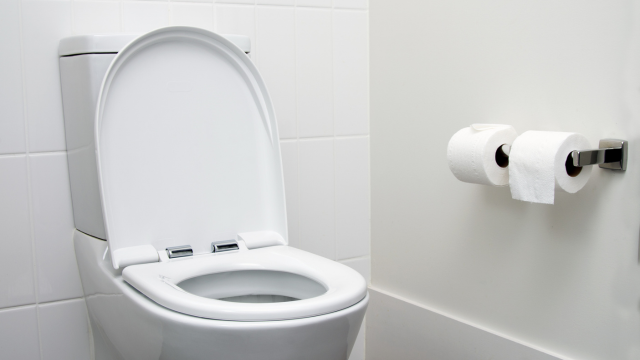
Washroom hygiene depends on both cleaning and the availability of essential supplies.
Even a visibly clean toilet may be unsuitable for regular use if pupils cannot wash or dry their hands properly.
Liquid Soap
UKHSA guidance recommends accessible handwashing facilities with liquid soap and warm running water.
Bar soap is not recommended in these settings.
Toilet Paper
Toilet paper should be available within each cubicle.
UKHSA specifically advises that pupils should not have to request toilet cleaning procedures paper from staff.
Hand-Drying Facilities
Schools should provide appropriate hand-drying arrangements.
UKHSA recommends paper towels and suitable nearby waste bins in its guidance for children’s settings.
Sanitary Disposal
Suitable sanitary disposal facilities should be available where relevant.
UKHSA recommends these facilities in settings with children aged nine or over.
Supply Monitoring
Cleaning teams should check dispensers throughout the day where necessary.
Schools should also maintain adequate stock so that supplies can be replenished without delay.
Safe Use of Cleaning Chemicals
Toilet-cleaning chemicals must be handled carefully because some products can cause skin irritation, eye damage or respiratory problems.
COSHH Requirements
In Great Britain, the Control of Substances Hazardous to Health Regulations 2002 require employers to assess and control relevant exposure risks.
Northern Ireland has corresponding legislation.
A COSHH assessment should consider the products used, method of application, storage and emergency arrangements.
Never Mix Cleaning Chemicals
Bleach must never be mixed with acidic toilet cleaners or ammonia-containing products.
Such combinations can release dangerous gases.
Chlorine-releasing products can also be unsuitable for certain contamination and surface conditions.
Follow Product Instructions
Use the recommended dilution, application method and contact time.
More concentrated products are not necessarily safer or more effective.
Store Chemicals Securely
Cleaning products should be kept in labelled containers and stored away from pupils.
They should never be transferred into food or drink bottles.
Provide Appropriate Training
Staff need to understand hazards, protective measures and what to do if accidental exposure occurs.
Safety data sheets support COSHH assessments but do not replace them.
Personal Protective Equipment for Toilet Cleaning
Personal protective equipment should be selected according to the task and identified hazards.
There is no single PPE combination suitable for every school cleaning activity.
Protective Gloves
Appropriate gloves help reduce contact with cleaning products and contamination.
The material should be compatible with the chemicals involved.
Disposable gloves should be changed between relevant tasks.
Protective Aprons
Disposable aprons may be necessary when there is a risk of contact with bodily fluids.
Eye and Face Protection
Splash-prone work may require suitable eye protection.
UKHSA guidance recommends eye protection and a fluid-repellent surgical mask where bodily fluids may splash the face.
Protective Footwear
Suitable slip-resistant footwear can help reduce risks associated with wet floors.
However, footwear cannot replace safe cleaning methods.
Hand Hygiene
Staff must wash their hands after removing gloves and completing contaminated tasks.
Gloves are not a substitute for proper handwashing.
Employers must provide required PPE and ensure that employees understand how to use it.
Preventing the Spread of Germs in School Toilets
Effective educational hygiene requires consistent cleaning, handwashing and prevention of cross-contamination.
Encourage Proper Handwashing
Pupils and staff should wash their hands with soap and water after using the toilet.
UKHSA identifies hand hygiene as particularly important for preventing infections involving diarrhoea and vomiting.
Use Separate Cleaning Equipment
Colour-coded systems can help distinguish equipment used in different areas.
UKHSA recommends red fortoilet cleaning procedures and washrooms and yellow for handwashing basins and sinks as examples of good practice.
Colour coding itself is not a universal statutory requirement.
Clean Equipment After Use
Reusable cloths and other tools should be cleaned and appropriately disinfected after use.
Avoid Moving Contamination
Equipment used for toilet cleaning procedures bowls should not be used on sinks, desks or food-related surfaces.
Respond to Infection Risks
Where illness is suspected or confirmed, schools should follow current UKHSA guidance and advice from the relevant health protection team.
Consistent daily practices are more effective than relying entirely on occasional intensive cleaning.
Managing Spills, Bodily Fluids and Contamination
School toilets may occasionally contain blood, vomit, urine or faecal contamination.
These incidents require prompt attention and additional precautions.
Restrict Access
Keep pupils and other users away from the affected area until it is safe.
Use Suitable PPE
Trained staff should wear appropriate gloves and aprons.
Eye and face protection may also be required if splashing is possible.
Remove Contamination Safely
UKHSA recommends disposable paper towels or cloths for cleaning bodily fluid spillages.
Ordinary reusable mops should not be used to collect blood or bodily fluid spills.
Clean and Disinfect
Use an approved combined detergent-disinfectant effective against the relevant risks, or clean first and then disinfect with an appropriate product.
Follow the manufacturer’s instructions.
Some chlorine-releasing products are unsuitable for direct use on urine, so chemical compatibility is particularly important.
Dispose of Materials
Used materials should be disposed of under the school’s appropriate waste procedures.
Report Incidents
Significant contamination, exposure incidents or suspected infection outbreaks should be reported through established arrangements.
Large or complex incidents may require specialist assistance.
School Toilet Deep Cleaning Procedures
Deep cleaning involves more intensive attention to areas that may not receive detailed cleaning during routine daily work.
It complements normal cleaning rather than replacing it.
Detailed Fixture Cleaning
Deep cleaning may involve more thorough treatment of accessible toilet cleaning procedures fittings, partitions and areas around sanitary fixtures.
Limescale Removal
Limescale can accumulate around taps, sinks and toilet bowls.
Suitable descaling products may be required.
However, descalers must not be mixed with bleach or other incompatible chemicals.
Cleaning Difficult-to-Reach Areas
Accessible edges, corners and surfaces behind movable equipment may require additional attention.
Cleaning staff should not dismantle plumbing or electrical components without appropriate competence.
Floor Treatment
Some floors may benefit from scheduled specialist cleaning.
The method must be compatible with the surface.
Final Inspection
Check that surfaces are clean, products have been removed where required and floors are safe.
Deep cleaning may be scheduled during school holidays or quieter periods.
There is no universal statutory requirement for every school toilet cleaning procedures to receive deep cleaning at an identical interval.
School Toilet Cleaning Frequency
Cleaning frequency should reflect pupil numbers, washroom use, contamination and public health risks.
Schools should establish written schedules covering routine cleaning and additional inspection.
Example School Toilet Cleaning Schedule
| Frequency | Recommended activities |
| Daily | Clean toilets, urinals, basins, floors and accessible fittings |
| During the school day | Inspect toilets, remove contamination and replenish supplies as needed |
| Weekly or condition-based | Complete more detailed cleaning of partitions, edges and fixtures |
| Periodic | Arrange descaling, intensive floor cleaning and other deep-cleaning activities |
| Immediately when needed | Respond to bodily fluid spills and hazardous contamination |
These are illustrative intervals, not mandatory national frequencies.
High-Use Facilities
Large schools may need inspections and additional cleaning several times during the school day.
Outbreak Arrangements
During infectious disease outbreaks, the relevant health protection team may recommend more frequent cleaning and disinfection.
Recording Work
A cleaning log helps confirm when tasks were completed and identifies recurring concerns.
School Toilet Ventilation and Odour Control
Ventilation helps maintain a more comfortable washroom environment.
Poor airflow can allow unpleasant odours and moisture to accumulate.
Ventilation Systems
School toilet cleaning procedures may have mechanical extraction systems, windows or other ventilation arrangements.
These should be maintained according to the building’s requirements.
Addressing Persistent Odours
Unpleasant smells should not automatically be treated with stronger fragrances.
Persistent odours may indicate inadequate cleaning, drainage problems, blocked fixtures or poor ventilation.
Avoiding Excessive Fragrances
Strongly scented cleaning products may cause discomfort for some pupils and employees.
Suitable cleaning and ventilation should take priority over masking odours.
Reporting Defects
Cleaning teams should report malfunctioning extractors, leaks and plumbing problems.
They should not attempt unauthorised repairs.
Good odour control depends on identifying underlying causes rather than relying solely on deodorising products.
School Toilet Cleaning Equipment
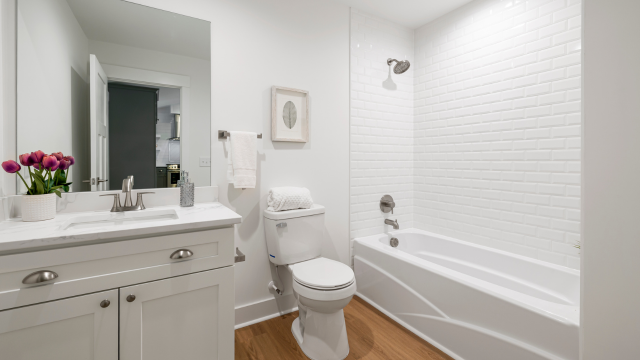
Schools need suitable equipment to complete washroom cleaning safely and consistently.
Dedicated Toilet Brushes
Use appropriate toilet cleaning procedures brushes for cleaning bowls and compatible internal surfaces.
These should remain separate from other cleaning tools.
Microfibre Cloths
Cloths can be useful for accessible surfaces.
Different colour categories or designated equipment should be used to prevent cross-contamination.
Mops and Buckets
Use suitable floor-cleaning equipment that allows controlled application of cleaning solution.
Avoid spreading contamination between washrooms and other school areas.
Waste Collection Equipment
Suitable waste bags, bins and disposal arrangements help manage routine waste.
Bodily fluid spill kits should also be available.
Cleaning Trolleys
A properly organised cleaning trolley can help staff transport supplies efficiently.
However, products and equipment must remain secure when pupils are nearby.
Equipment Maintenance
Reusable tools should be cleaned, disinfected where appropriate, dried and stored properly.
Damaged or heavily contaminated equipment should be replaced.
School Cleaner Training and Hygiene Practices
School cleaners need practical instruction in hygiene, workplace safety and the procedures used at their particular school.
Cleaning Methods
Employees should understand the correct sequence for cleaning different fixtures.
They should also know how to prevent cross-contamination.
Chemical Safety
Training should cover relevant COSHH assessments, product handling, dilution and safe storage.
Infection Prevention
Cleaners need to understand when routine cleaning is sufficient and when additional disinfection is required.
Bodily Fluid Spill Response
Staff assigned to these tasks should receive specific instruction and have suitable spill-response equipment.
Safeguarding Awareness
School cleaning teams should understand relevant safeguarding and site access arrangements.
They should know how to report concerns and follow the school’s rules when working around pupils.
Professional Development with Skills Pack
Skills Pack offers online courses relevant to cleaning and general workplace safety.
Its Level 5 Certificate in Cleaning may support introductory cleaning knowledge, although the provider’s published information does not establish a verified detailed syllabus or regulated qualification status.
The Level 1, 2, 3 Health and Safety in the Workplace programme covers areas such as PPE, chemical hazards, hygiene, workplace equipment and incident reporting.
These courses may support theoretical awareness.
However, online learning cannot replace practical cleaning instruction, employer-specific procedures, safeguarding arrangements or demonstrated workplace competence.
How to Maintain School Toilet Hygiene Standards
Maintaining school toilet cleaning procedures hygiene requires consistent cleaning, suitable facilities and regular supervision.
Establish Clear Responsibilities
The cleaning specification should identify who is responsible for each washroom and how often tasks must be completed.
Monitor Cleaning Quality
Supervisors should inspect facilities rather than rely entirely on completed checklists.
Inspections should consider visible cleanliness, supplies, odours and safety.
Respond to Maintenance Problems
Leaking taps, blocked toilets and damaged fittings should be reported promptly.
Maintain Supplies
Soap, toilet cleaning procedures paper and hand-drying materials must remain available.
Support Pupils’ Hygiene
Schools should encourage appropriate handwashing and responsible use of facilities.
Review Cleaning Arrangements
Cleaning schedules may need adjustment as pupil numbers, building use or public health conditions change.
Effective school washroom cleaning depends on cooperation between cleaners, school management, caretakers and other responsible personnel.
Key Takeaways
Professional school toilet cleaning requires appropriate methods, consistent supervision and effective infection prevention measures.
The essential principles are:
- Maintain written cleaning schedules and clear responsibilities.
- Clean toilets, washbasins and floors using appropriate equipment.
- Prevent cross-contamination through separate or colour-coded tools.
- Pay particular attention to frequently touched surfaces.
- Distinguish routine cleaning from disinfection and deep cleaning.
- Replenish soap, toilet paper and other essential supplies.
- Follow COSHH requirements and never mix incompatible chemicals.
- Use appropriate PPE and safe bodily fluid spill procedures.
- Keep wet floors inaccessible until safe.
- Train employees and monitor cleaning quality regularly.
Consistent toilet cleaning procedures help schools maintain facilities suitable for pupils, employees and visitors.
Frequently Asked Questions (FAQ)
How often should school toilets be cleaned?
School toilets should normally receive daily cleaning, with additional checks and cleaning during the school day according to usage and contamination.
Busy facilities may require more frequent attention.
Spillages and hazardous contamination should be addressed promptly.
During an infectious disease outbreak, additional cleaning may be necessary following public health advice.
There is no universal statutory cleaning frequency for every UK school toilet cleaning procedures.
What is included in a school toilet cleaning checklist?
A checklist should include toilet cleaning procedures bowls, seats, urinals, basins, taps, floors and frequently touched surfaces.
It should also cover waste disposal, soap and toilet cleaning procedures paper replenishment, and inspection of fixtures.
The cleaner should confirm that equipment has been removed and floors are safe.
Completed tasks and outstanding maintenance problems should be recorded.
What products should be used to clean school toilets?
Suitable products include approved detergents, compatible toilet cleaning procedures and disinfectants where required.
The correct choice depends on the surface, contamination and intended task.
Products must be used according to manufacturer instructions and relevant COSHH assessments.
Bleach must never be mixed with acidic toilet cleaning procedures cleaners or ammonia-containing products.
How should school toilet floors be cleaned?
Remove loose debris before applying a suitable floor-cleaning product.
Use equipment appropriate to the floor material and avoid excessive water.
Cleaning should remove contamination without leaving slippery residues.
Access should be restricted until the floor is sufficiently dry.
Bodily fluid spillages require separate procedures rather than ordinary mopping.
How should high-touch surfaces in school toilets be disinfected?
Frequently touched surfaces should be cleaned to remove visible contamination.
Where disinfection is required, apply a suitable product following the manufacturer’s dilution and contact-time instructions.
Door handles, flush controls, taps and cubicle locks are important areas.
The cleaning schedule should reflect usage and identified infection risks.
What PPE should school cleaners use?
PPE depends on the cleaning task and risk assessment.
Appropriate gloves, aprons, protective footwear and eye protection may be required.
Bodily fluid spill response may require additional face protection.
Employees should remove disposable PPE safely and wash their hands afterwards.
Employers must provide suitable required PPE and training.
How should bodily fluid spills be handled in school toilets?
Keep pupils away from the affected area and follow the school’s spill-response procedure.
Trained staff should use appropriate PPE and disposable cleaning materials.
Clean and disinfect using a product suitable for the contamination and surface.
Dispose of materials through the approved waste arrangements.
Significant incidents or exposures should be reported promptly.
How can schools prevent germs from spreading in toilets?
Schools should maintain regular cleaning, provide suitable handwashing facilities and replenish hygiene supplies.
Separate cleaning equipment should be used for toilet cleaning procedures and other areas.
Pupils and staff should wash their hands with soap and water after using the toilet.
Schools should also respond promptly to contamination and follow public health advice during outbreaks.
What is the difference between daily and deep toilet cleaning?
Daily cleaning maintains everyday hygiene by removing contamination from regularly used surfaces and fixtures.
Deep cleaning provides more intensive treatment of areas requiring additional attention, such as limescale deposits, accessible edges and heavily soiled surfaces.
Both activities are important.
Deep cleaning should complement, not replace, routine daily cleaning.
Conclusion
Effective school toilet cleaning plays an important role in maintaining hygienic, comfortable and safer educational facilities.
School washrooms experience frequent use and require consistent attention to toilet cleaning procedures, washbasins, high-touch surfaces and floors.
A professional cleaning programme should combine suitable products, dedicated equipment, appropriate disinfection and clearly documented procedures.
For school managers and cleaning teams, maintaining school sanitation involves more than visible cleanliness. It also requires reliable handwashing facilities, safe chemical handling, appropriate waste disposal and prompt responses to contamination.
Regular inspections and practical training help ensure that cleaning standards remain consistent.
By following appropriate UK public health guidance, providing suitable resources and maintaining effective school washroom cleaning arrangements, schools can better protect pupils, staff and visitors.
The most effective approach is to make hygiene part of everyday school operations through regular cleaning, supervision and continuous improvement.