Car Park Cleaning: Commercial Cleaning Procedures and Standards


Car parks are among the busiest areas of commercial properties. Throughout the day, vehicles bring dirt, grit, oil residues and other contamination onto parking surfaces. Litter accumulates around parking bays, while pedestrian routes, ramps and drainage systems require regular attention.
Without effective cleaning, these areas can quickly become untidy and potentially hazardous. Accumulated debris may obstruct drains, oil contamination can increase slip risks, and poorly maintained access routes can create difficulties for drivers and pedestrians.
Car park cleaning is therefore an important part of commercial property management. It involves more than sweeping visible litter or washing concrete surfaces. Professional cleaning requires suitable machinery, risk assessments, safe traffic management and responsible handling of contaminated water and waste.
Different car parks also require different approaches. An open-air supermarket car park may need regular mechanical sweeping, while an underground multi-storey facility may require specialised equipment, controlled drainage and additional ventilation precautions.
This guide explains professional car park cleaning procedures, including equipment selection, pressure washing, stain removal, waste management and workplace safety. It also covers cleaning schedules, staff competency, quality inspections and practical methods for maintaining commercial cleaning standards.
What Is Car Park Cleaning?
Car park cleaning involves removing dirt, litter, stains and other contamination from parking facilities and their surrounding areas.
The work can include sweeping parking bays, washing suitable surfaces, removing oil contamination and maintaining pedestrian access routes.
Professional cleaning also involves identifying problems requiring further attention, such as blocked drains, damaged surfaces or hazardous spillages.
Car parks vary considerably in their design.
Some are open-air areas surfaced with asphalt or concrete. Others are enclosed multi-storey facilities with ramps, stairways, drainage channels and mechanical ventilation systems.
The cleaning method must reflect these differences.
For example, a large outdoor car park may be suitable for mechanical sweeping, while an underground facility may require compact machinery designed for restricted spaces.
The term parking lot cleaning is commonly used internationally, particularly in American English. In the UK, car park cleaning is the preferred terminology.
Professional cleaning should also be distinguished from structural repairs and technical maintenance.
Cleaning teams may identify surface damage or drainage problems, but repairs should be undertaken by appropriately competent personnel.
Why Car Park Cleaning Is Important
Car parks contribute to visitors’ first impressions of commercial premises.
A clean, organised parking area supports the professional appearance of shopping centres, offices, hospitals and other facilities.
However, appearance is only one consideration.
Improving Safety
Oil, grease, loose gravel and standing water can create slipping or tripping hazards.
Accumulated litter may also obstruct pedestrian routes.
Regular cleaning helps identify and remove these problems.
Protecting Surface Condition
Grit, debris and contaminants may contribute to deterioration of particular surfaces.
Removing them through suitable methods supports broader property maintenance.
However, cleaning cannot prevent every form of wear or replace necessary repairs.
Supporting Drainage
Leaves, litter and sediment can accumulate around drainage channels.
Removing accessible debris helps reduce avoidable blockages.
Improving Customer Experience
Customers expect parking areas to be reasonably clean, accessible and well organised.
Regular attention helps maintain these standards.
The Health and Safety Executive (HSE) emphasises the importance of suitable workplace traffic routes and keeping them free from dangerous obstructions.
Effective cleaning supports these objectives when the work itself is carried out safely.
Key Car Park Cleaning Responsibilities
Commercial car park cleaning responsibilities depend on the site, contract and level of specialist work required.
Common tasks include:
- Inspecting parking areas for litter, stains and hazardous contamination.
- Sweeping vehicle routes, parking bays and pedestrian areas.
- Removing rubbish and maintaining suitable waste collection arrangements.
- Cleaning accessible ramps, stairways and entrance areas.
- Removing minor spillages through approved procedures.
- Operating suitable sweepers and cleaning machinery.
- Managing cleaning water and preventing environmental pollution.
- Reporting damaged surfaces, drainage problems and unsafe conditions.
Supervisors may also organise cleaning schedules, coordinate traffic restrictions and inspect completed work.
More intensive tasks, such as removing substantial oil contamination or cleaning restricted drainage systems, may require specialist contractors.
The cleaning specification should identify responsibilities clearly.
For example, staff responsible for sweeping a car park should not automatically be expected to repair oil separators or enter drainage chambers.
Clear boundaries help ensure that cleaning work is completed safely and by competent personnel.
Car Park Cleaning Risk Assessment
A risk assessment should be completed before planned car park cleaning begins.
The assessment identifies hazards, considers who may be affected and establishes suitable controls.
Vehicle Movement
Moving vehicles are among the most significant hazards.
Drivers may reverse unexpectedly or fail to notice workers operating near parked cars.
The HSE recommends separating pedestrians and vehicles wherever reasonably practicable.
Cleaning operations should follow this principle.
Pedestrian Safety
Customers may walk between parked vehicles, across ramps or through areas containing cleaning equipment.
The assessment should identify safe alternative routes.
Cleaning Machinery
Mechanical sweepers and pressure washers introduce additional risks involving moving components, noise and electrical equipment.
Workers must be trained to operate the equipment safely.
Chemicals and Contamination
Oil, detergents and other substances may create skin, eye or respiratory hazards.
Appropriate controls should be established before use.
Environmental Conditions
Outdoor cleaning may be affected by rain, ice, poor visibility and extreme temperatures.
Underground facilities may present additional ventilation and access concerns.
Risk assessments should be reviewed when working conditions, equipment or cleaning procedures change.
Car Park Cleaning Equipment and Machinery
Professional cleaning requires equipment suited to the size, layout and surface condition of the car park.
Different tasks may require manual tools, mechanical sweepers or specialist washing systems.
Manual Cleaning Equipment
Brooms, litter pickers, shovels and waste collection containers are useful for smaller areas and locations inaccessible to larger machines.
Suitable tools can also help remove debris around entrances and pedestrian routes.
Mechanical Sweepers
Walk-behind and ride-on sweepers collect dust, leaves and loose debris from suitable surfaces.
Large outdoor car parks may benefit from ride-on machines, while compact equipment can be useful in restricted spaces.
Operators must consider vehicle movements, turning areas and pedestrian safety.
Pressure Washing Equipment
Commercial pressure washers can remove certain types of surface contamination.
However, their suitability depends on the surface material and the arrangements for collecting wash water.
Scrubber-Driers
Some covered car park maintenance have hard floors suitable for scrubber-driers.
These machines can wash surfaces and recover liquid during operation.
They are not appropriate for every surface.
Specialist Equipment
Wet recovery vacuums, spill kits and suitable drainage-cleaning equipment may be necessary for particular tasks.
All machinery should be inspected, maintained and used according to manufacturer instructions.
Preparing a Car Park for Cleaning
Good preparation helps cleaning teams work efficiently without exposing themselves or other people to unnecessary risks.
The first step is to inspect the site.
Identify vehicle routes, pedestrian crossings, drainage points and areas requiring additional attention.
The team should also check the surface condition and determine which cleaning methods are appropriate.
Planning the Work Area
Where possible, divide the car park maintenance into manageable sections.
This allows cleaning to take place while other parts of the facility remain available.
However, partial closure is only suitable when traffic and pedestrians can be separated safely.
Establishing Access Controls
Barriers, temporary signs and authorised traffic arrangements may be necessary.
Warning cones alone may not adequately prevent vehicles from entering a hazardous work area.
Checking Drainage
Before introducing water, identify the drainage system and determine how cleaning run-off will be contained and managed.
Do not assume that a nearby drain is suitable for contaminated wash water.
Inspecting Equipment
Check that machines, hoses, cables and cleaning products are in suitable condition.
Workers should also confirm communication arrangements and emergency procedures.
Cleaning should begin only when appropriate safety and environmental controls are in place.
Sweeping and Debris Removal
Sweeping is one of the most common car park maintenance cleaning activities.
It removes loose materials that accumulate through vehicle movement, weather and everyday use.
Typical debris includes leaves, grit, dust, packaging and general litter.
Manual Sweeping
Manual methods are useful around corners, bollards and areas inaccessible to machinery.
Litter pickers help collect rubbish without unnecessary hand contact.
Workers should avoid disturbing potentially hazardous waste.
Mechanical Sweeping
Mechanical sweepers can cover larger areas efficiently.
Their brushes and collection systems help gather loose material.
The operator should select settings appropriate to the surface and avoid spreading dust unnecessarily.
Managing Dust
Dry sweeping may generate airborne dust.
Where significant exposure is possible, suitable dust control measures should be used.
Equipment with effective dust suppression or filtration may be preferable.
Hazardous Materials
Broken glass, discarded needles and unidentified substances require appropriate procedures.
Cleaning staff should not handle suspected hazardous material using ordinary litter collection methods.
The area should be secured and referred to appropriately trained personnel.
Collected waste must be segregated and disposed of according to the applicable requirements.
Pressure Washing Car Park Surfaces
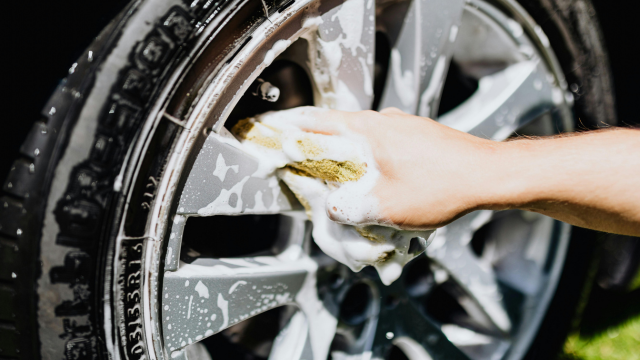
Pressure washing can be effective for removing stubborn dirt from suitable concrete and other hard surfaces.
However, high-pressure water can damage certain finishes and create serious safety and environmental risks.
The method should only be selected after assessing the surface and drainage arrangements.
Assessing Surface Compatibility
Concrete, asphalt, block paving and coated surfaces respond differently to water pressure.
Excessive pressure may damage joints, dislodge surface material or affect protective coatings.
Multi-storey car park maintenance may contain waterproofing membranes that require particular protection.
Manufacturer and site-specific guidance should take priority.
Safe Pressure Washer Operation
Operators should receive practical instruction in equipment handling, nozzle selection and safe working distances.
A high-pressure jet must never be directed towards people.
Pressurised water can penetrate the skin and cause serious injury.
Any suspected injection injury requires urgent medical assessment, even if the visible wound appears small.
Controlling Water Run-Off
Pressure washing can mobilise oil, sediment, detergent and other pollutants.
Contaminated wash water must not be allowed to enter surface water drains or watercourses.
Suitable methods may include temporary containment and recovery equipment.
Disposal arrangements must comply with the applicable environmental requirements.
Pressure washing is therefore a controlled cleaning process, not simply a matter of directing water across the surface.
Oil, Grease and Stain Removal
Vehicles can leave oil, fuel and other residues on parking surfaces.
These contaminants may affect appearance and create environmental or slip hazards.
The correct treatment depends on the substance, quantity and surface.
Identifying the Contamination
Before treatment, determine whether the stain is likely to be oil, grease, tyre residue or another material.
Unidentified or substantial chemical spillages require specialist assessment.
Containing Fresh Spillages
Where safe and appropriate, trained staff may use suitable absorbent materials to contain minor spillages.
The objective is to prevent further spreading and protect drains.
Workers should not wash oil directly into drainage systems.
Cleaning Residual Stains
After free liquid has been controlled and removed, an approved cleaning product may be used on compatible surfaces.
The selected method should minimise the creation of contaminated water.
Waste Disposal
Oil-contaminated absorbents and other cleaning residues may require classification as hazardous waste.
The applicable classification and disposal arrangements should be checked.
Not every visible oil stain can be completely removed.
Older contamination may have penetrated porous surfaces.
Professional cleaners should explain realistic outcomes rather than promise complete removal without inspecting the area.
Cleaning Parking Bays and Pedestrian Areas
Parking bays and pedestrian routes require different cleaning priorities.
Vehicle bays frequently collect grit, litter and minor oil residues.
Pedestrian routes must also be kept free from hazards that could affect people walking through the facility.
Parking Bay Cleaning
Cleaning teams may use mechanical sweepers or manual equipment to remove loose contamination.
Parked vehicles can restrict access.
Staff should avoid working in unsafe spaces between moving vehicles.
Pedestrian Routes
Walkways, crossings and entrances should receive particular attention.
Leaves, standing water and loose materials can increase slipping or tripping risks.
Accessible Parking Areas
Accessible bays and routes should remain usable.
Cleaning arrangements must not unnecessarily obstruct accessible entrances or designated pedestrian paths.
Where areas need temporary closure, suitable alternative access should be considered.
Surface Markings
Parking bay markings and directional symbols may need gentle cleaning.
Aggressive washing methods can damage paint or specialist coatings.
Cleaning teams should report faded or damaged markings rather than attempt unauthorised repainting.
Maintaining these areas supports both appearance and safer movement.
Cleaning Ramps, Stairways and Access Areas
car park maintenance ramps, stairways and access routes can present additional cleaning challenges.
Ramps may have steep gradients, restricted visibility and frequent vehicle movement.
Stairways require particular attention to loose debris, moisture and damaged surfaces.
Ramp Cleaning
Cleaning should be arranged so that vehicles cannot enter the work area unexpectedly.
Mechanical equipment must be suitable for the gradient.
Operators should check the manufacturer’s limits for safe use on slopes.
Stairways
Stairs should be cleaned using methods that avoid leaving slippery residues.
Handrails, landings and corners may require additional attention.
The HSE recommends restricting access to wet or drying floors where appropriate.
Entrances and Exits
Vehicle entrances may accumulate road grit, leaves and other materials.
These locations can also involve poor visibility and changing lighting conditions.
Cleaning teams should not obstruct traffic routes without suitable authorisation and controls.
Access Equipment
Barriers, ticket machines and other fittings may require cleaning.
However, employees should avoid interfering with electrical controls or security equipment.
Damaged components should be referred to the responsible maintenance team.
Car Park Drain and Waste Management
Drainage management is an important part of professional car park maintenance cleaning.
car park maintenance may contain surface water drains, silt traps, oil separators and other drainage infrastructure.
The correct arrangements depend on the building and drainage design.
Removing Accessible Debris
Leaves and litter can accumulate around drain covers.
Cleaning teams may remove accessible surface debris through an approved procedure.
They should not enter confined drainage spaces or remove heavy covers without appropriate competence and authorisation.
Managing Contaminated Water
In England, Environment Agency guidance states that businesses must prevent contaminated water from polluting surface water drains, watercourses and groundwater.
Trade effluent may be discharged to an authorised foul or combined sewer only where the relevant permission or consent is in place.
Similar pollution prevention principles apply elsewhere in the UK, although regulatory arrangements differ.
Scotland and Northern Ireland have specific guidance through NetRegs, while Natural Resources Wales regulates relevant matters in Wales.
Waste Collection and Disposal
Commercial cleaning produces business waste.
Organisations must take appropriate steps to ensure waste is stored safely and transferred to authorised waste handlers.
In England and Wales, non-hazardous controlled waste transfers generally require suitable documentation, while hazardous waste requires additional procedures.
The cleaning contractor and site operator should establish who is responsible for waste collection, documentation and disposal.
Good drainage and waste management protect the surrounding environment as well as the car park maintenance.
Cleaning Chemicals and Safe Handling
Professional cleaning may involve degreasers, detergents and other specialist products.
These substances must be selected and handled carefully.
COSHH Assessments
In Great Britain, the Control of Substances Hazardous to Health Regulations 2002 require employers to assess and control relevant exposure risks.
Northern Ireland has corresponding legislation.
A COSHH assessment should consider the product, method of use and potential exposure.
Choosing Suitable Chemicals
The cleaning product should be appropriate for both the contamination and the surface.
Strong chemicals may damage coatings or create unnecessary risks.
The least hazardous effective method should be considered.
Safe Application
Follow the manufacturer’s dilution and application instructions.
Do not mix products unless expressly permitted by the manufacturer.
Staff should avoid uncontrolled spraying and excessive chemical use.
Safety Data Sheets
Safety data sheets provide information about hazards, storage, handling and emergency measures.
However, a safety data sheet does not replace the workplace COSHH assessment.
Environmental Considerations
Detergents labelled biodegradable or environmentally friendly can still cause pollution if discharged inappropriately.
Cleaning teams must control contaminated water regardless of marketing claims.
Safe chemical handling includes appropriate storage, training and waste disposal.
Personal Protective Equipment for Car Park Cleaning
Personal protective equipment should reflect the hazards identified through the risk assessment.
Different tasks may require different protective measures.
High-Visibility Clothing
Workers operating near vehicles may need suitable high-visibility clothing.
However, this does not replace effective traffic segregation.
Protective Footwear
Slip-resistant safety footwear may help protect against wet surfaces and other workplace hazards.
The footwear should be appropriate for the working environment.
Gloves
Chemical-resistant gloves may be required when handling cleaning products or contaminated waste.
The glove material must be suitable for the specific substance.
Eye and Face Protection
Pressure washing and chemical handling may create splash or flying-debris risks.
Suitable eye or face protection may therefore be necessary.
Hearing and Respiratory Protection
Powered machinery can generate noise, dust or aerosols.
Additional protection may be required where risks cannot be adequately controlled by other measures.
Respiratory protective equipment requires proper selection, training and, where relevant, face-fit testing.
The HSE explains that required PPE must be provided by employers without charge.
PPE should supplement safer working methods rather than replace them.
Traffic and Vehicle Safety During Cleaning
Vehicle movement is one of the most serious hazards in car park maintenance cleaning.
Workers may be exposed to cars reversing, turning or entering restricted areas.
The HSE recommends reducing contact between vehicles and pedestrians wherever reasonably practicable.
Separating Work Areas
Cleaning operations should use effective arrangements to prevent vehicles entering active work zones.
Barriers, planned closures and suitable traffic routes may be necessary.
Managing Reversing Risks
Drivers may have limited visibility around parked vehicles.
Cleaning staff should not assume that a driver has seen them.
Where vehicle movements require assistance, only trained and authorised personnel should undertake traffic management duties.
Maintaining Pedestrian Access
Customers should have safe routes around cleaning areas.
Cables, hoses and equipment must not create unnecessary obstacles.
Managing Cleaning Vehicles
Ride-on sweepers and other powered cleaning equipment must be operated by competent personnel.
Operators should follow site speed limits and use suitable warning systems.
Emergency Arrangements
The cleaning team should know how to respond to incidents involving vehicles, machinery or hazardous materials.
Effective traffic management protects workers, drivers and members of the public.
Car Park Cleaning Schedules and Checklists
Cleaning frequency should reflect the car park’s size, usage and environmental conditions.
A busy shopping centre may need daily attention, while a smaller office car park maintenance may require a different schedule.
There is no universal statutory cleaning interval that applies to every commercial car park maintenance.
Example Cleaning Schedule
| Frequency | Suggested activity |
| Daily or as needed | Remove litter, inspect pedestrian routes and respond to spillages |
| Weekly or site-dependent | Sweep parking bays, ramps and accessible drainage areas |
| Periodic planned cleaning | Complete detailed sweeping and approved surface cleaning |
| Condition-based specialist work | Arrange stain removal, pressure washing or drainage servicing where required |
These intervals are illustrative and should be adjusted through inspection findings.
Practical Cleaning Checklist
Before and after cleaning, confirm that:
- The relevant risk assessment has been reviewed.
- Traffic and pedestrian access controls are in place.
- Equipment and cleaning products are suitable.
- Litter and loose debris have been collected.
- Oil or chemical contamination has been addressed appropriately.
- Drainage routes and waste controls have been checked.
- No hazardous residues or standing cleaning water remain.
- Equipment and temporary barriers have been removed when safe.
- Surface defects and outstanding maintenance issues have been reported.
Cleaning records should identify completed work, problems and necessary follow-up actions.
Staff Training and Competency
Commercial car park maintenancecleaning requires both practical cleaning skills and workplace safety awareness.
Employees must understand the risks associated with traffic, machinery, chemicals and contaminated waste.
Equipment Training
Operators of mechanical sweepers and pressure washers require suitable practical instruction.
They should understand machine controls, operating limits and emergency procedures.
Traffic Safety Training
Workers need to recognise vehicle hazards and follow site access arrangements.
Employees responsible for managing vehicle movements require additional competence.
Chemical Safety Training
Staff should understand COSHH procedures, product instructions and appropriate protective equipment.
Environmental Awareness
Cleaning teams must know how to prevent contaminated water entering unsuitable drainage systems.
Waste handling responsibilities should also be explained.
Online Learning Opportunities
Skills Pack offers online courses covering cleaning knowledge and workplace safety.
Its Level 5 Certificate in Cleaning introduces professional cleaning principles, while Level 1, 2, 3 Health and Safety in the Workplace includes topics such as PPE, work equipment, chemical hazards and accident reporting.
These courses may support general theoretical understanding, depending on their actual syllabus and assessment arrangements.
However, a course title or private completion certificate does not automatically establish a regulated qualification.
Online learning also cannot replace practical machinery training, site induction or demonstrated competence.
Quality Control and Cleaning Inspections
Quality control helps ensure that cleaning achieves the required standard without creating new hazards.
Supervisors should inspect completed work against the agreed specification.
Surface Cleanliness
Parking bays, pedestrian areas and ramps should be checked for visible debris and contamination.
Residual stains should be assessed against realistic cleaning outcomes.
Safety Conditions
Inspectors should check that cleaning has not left slippery residues, loose equipment or hazardous water accumulation.
Damaged surfaces must be reported.
Drainage and Waste
Waste should be collected and transferred appropriately.
The inspection should also confirm that wash water and other residues have been managed according to the planned environmental controls.
Cleaning Records
Records may include inspection dates, completed tasks, photographs and outstanding actions.
Repeated problems should trigger review.
For example, recurring oil contamination in one parking bay may indicate a vehicle leak requiring action by site management.
Quality inspections should support continuous improvement rather than simply confirm that cleaning has taken place.
Common Car Park Cleaning Mistakes
One common mistake is carrying out cleaning without adequate traffic controls.
Workers may be exposed to moving vehicles even when wearing high-visibility clothing.
Another problem is using excessive water or pressure on unsuitable surfaces.
This can damage paving joints, coatings and waterproofing systems.
Allowing contaminated wash water to enter surface drains is also a serious environmental concern.
Other mistakes include:
- Using chemicals without appropriate COSHH assessment.
- Washing oil contamination into drainage channels.
- Operating unsuitable machinery on steep ramps.
- Leaving wet pedestrian surfaces open to traffic.
- Failing to collect contaminated absorbents correctly.
- Ignoring damaged lighting, markings or flooring.
- Using cleaning machinery without practical training.
Some organisations also rely on infrequent intensive cleaning while neglecting routine debris removal.
This allows contamination to accumulate unnecessarily.
A more effective approach combines regular inspections, suitable cleaning methods and prompt responses to hazardous conditions.
How to Maintain Commercial Car Park Standards
Maintaining professional cleaning standards requires consistent planning and cooperation between cleaning contractors and property managers.
The first step is to establish a cleaning specification appropriate to the facility.
It should identify the areas covered, expected outcomes, cleaning frequency and arrangements for reporting defects.
Use Risk-Based Cleaning
High-traffic areas and locations prone to contamination may need more frequent attention.
The schedule should reflect actual conditions rather than remain fixed regardless of use.
Maintain Equipment
Cleaning machinery must be inspected and serviced according to manufacturer requirements.
Poorly maintained equipment can reduce cleaning performance and introduce safety hazards.
Coordinate Maintenance
Car park maintenance involves more than cleaning.
Surface repairs, drainage servicing, lighting and traffic markings may require separate specialist work.
Cleaning teams should report defects through a clear process.
Monitor Environmental Performance
Where wet cleaning is necessary, businesses should review water use, containment and disposal arrangements.
Dry methods may be preferable for some tasks.
Develop Staff Competence
Employees should receive training suited to their responsibilities and equipment.
Supervisors should review working practices and provide feedback.
For organisations managing several sites, consistent outdoor commercial cleaning specifications can improve accountability while allowing local adjustments.
Key Takeaways
Professional car park cleaning requires suitable equipment, safe working methods and effective environmental controls.
The main principles are:
- Assess vehicle, pedestrian and equipment hazards before cleaning.
- Select machinery appropriate to the surface and site layout.
- Use effective barriers and traffic arrangements during cleaning.
- Remove loose debris and respond promptly to hazardous spillages.
- Control pressure washing and contaminated water run-off.
- Follow COSHH requirements and provide suitable PPE.
- Dispose of commercial and hazardous waste through appropriate channels.
- Train employees in machinery operation and site-specific procedures.
- Inspect completed work and report maintenance concerns.
- Review cleaning schedules according to actual conditions.
A successful programme should improve cleanliness without compromising worker safety, public access or environmental protection.
Frequently Asked Questions (FAQ)
What is car park cleaning?
Car park cleaning involves removing litter, dust, stains and other contamination from parking facilities.
Typical activities include sweeping, debris collection, surface washing and cleaning pedestrian access routes.
Professional cleaning may also involve minor spill response and reporting drainage problems.
The methods used depend on the surface, car park layout and relevant safety requirements.
How often should commercial car parks be cleaned?
Cleaning frequency depends on vehicle traffic, location, weather and the amount of contamination.
Busy commercial car parks may require daily inspections and litter removal.
Mechanical sweeping and more intensive cleaning can be scheduled according to site conditions.
Spillages creating safety or environmental hazards should be addressed promptly.
There is no single universal cleaning schedule for every commercial car park.
What equipment is used for car park cleaning?
Common equipment includes manual brooms, litter pickers, mechanical sweepers and suitable vacuum systems.
Some sites also use pressure washers or scrubber-driers.
Specialist equipment may be needed for oil contamination or wash-water recovery.
Equipment should be selected according to the surface, drainage arrangements and working environment.
Operators must receive appropriate training.
How should oil and grease stains be removed?
Oil and grease should first be assessed to determine the type and extent of contamination.
Fresh spillages may require containment using suitable absorbent materials.
Residual stains can sometimes be treated using compatible cleaning products and controlled methods.
Oil should not be washed into surface drains.
Contaminated materials must be classified and disposed of appropriately.
Older stains may not be completely removable.
Is pressure washing suitable for car parks?
Pressure washing can be suitable for some concrete and other hard surfaces.
However, it may damage asphalt, paving joints, protective coatings or waterproofing membranes if used incorrectly.
The method should follow surface compatibility assessments and manufacturer guidance.
Contaminated wash water must be contained and managed appropriately.
Pressure washing should only be carried out by suitably trained personnel.
What PPE is required for car park cleaning?
PPE depends on the risk assessment.
Suitable high-visibility clothing, protective footwear, gloves and eye protection may be required.
Some tasks also need hearing or respiratory protection.
The employer must provide required PPE and ensure employees understand its use.
PPE does not replace safe traffic segregation, suitable machinery or appropriate chemical controls.
How can businesses keep car parks safe during cleaning?
Businesses should assess hazards, plan cleaning during suitable periods and separate workers from moving vehicles.
Effective barriers and authorised traffic arrangements may be necessary.
Pedestrian routes should remain safe and accessible.
Cleaning equipment must be properly maintained, and wet or contaminated areas should be restricted until safe.
Employees should also receive suitable training and supervision.
What should a car park cleaning checklist include?
A cleaning checklist should cover risk assessment, traffic controls, equipment checks and planned cleaning activities.
It should identify sweeping, debris removal, stain treatment and pedestrian area cleaning.
Drainage and waste arrangements should also be reviewed.
After cleaning, the team should inspect for remaining contamination, standing water and unsafe conditions.
Completed work and outstanding defects should be recorded.

Conclusion
Car park cleaning is an essential part of maintaining safe, presentable and professionally managed commercial properties.
Car parks experience continuous contamination from vehicles, pedestrians and environmental conditions. Without regular cleaning, debris, stains and spillages can affect appearance, drainage and workplace safety.
An effective cleaning programme should combine routine sweeping, appropriate stain removal and carefully controlled washing methods.
Professional cleaning teams must also consider traffic movement, chemical exposure and the environmental consequences of contaminated water.
For businesses managing shopping centres, offices, hospitals and other commercial facilities, integrating cleaning with wider car park maintenance helps identify problems before they become more serious.
Specialist procedures, including pressure washing, should only be used where the surface and environmental conditions make them appropriate.
Regular inspections, suitable equipment and staff development help maintain consistent standards.
By combining practical cleaning methods with effective safety and waste management procedures, organisations can protect workers, support visitors and maintain cleaner commercial parking environments.